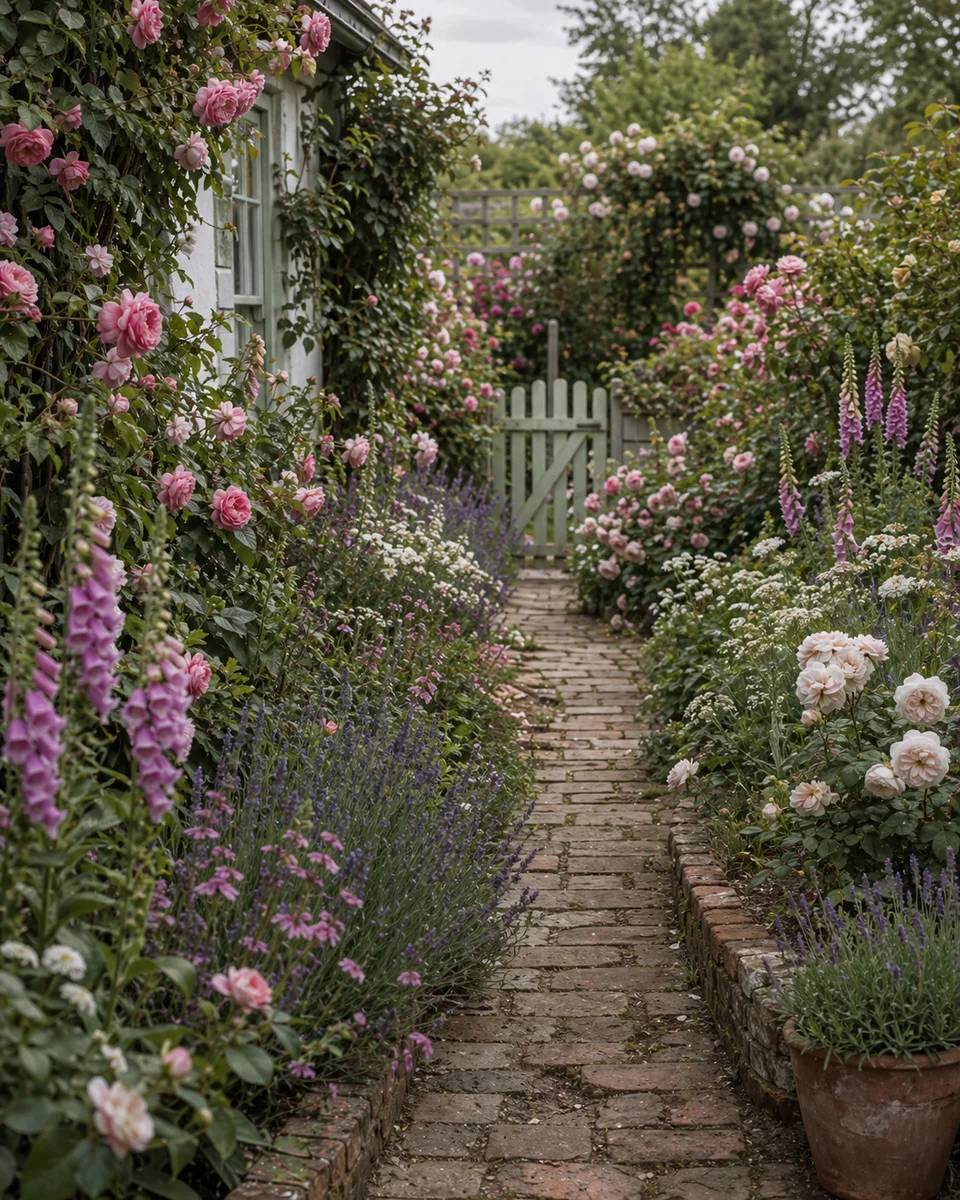
Arden generates plant recommendations that match both your chosen garden style and your local growing conditions. When the AI creates a garden design, it selects plants that are appropriate for the style — for example, lavender and olive trees for Mediterranean gardens, or hostas and ferns for woodland designs. These recommendations take into account general climate suitability, sun and shade requirements, and water needs so the suggested planting plan is realistic for your region. The goal is a design you can actually implement, not just a pretty picture. Each plant recommendation includes the common name so you can look it up at your local nursery or garden center. This bridges the gap between inspiration and action — you see what the garden looks like and know exactly which plants to buy to achieve that look.
Yes, Arden factors in climate conditions when generating garden designs. The AI selects plants and materials that are appropriate for different climate zones, so a garden designed for a hot, arid region will look different from one designed for a cool, wet climate even if you choose the same style. This means the designs are not just visually appealing but practically achievable in your area. Mediterranean garden designs in a desert climate will emphasize drought-tolerant lavender and rosemary, while the same style in a temperate zone might include a broader range of herbs. Climate awareness also affects hardscape recommendations — the AI knows that certain materials perform better in freeze-thaw cycles or intense sun. The result is a garden plan that works with your environment rather than against it, reducing plant losses and maintenance headaches.
Arden helps you think about seasonal variation by generating designs that reflect how a garden style typically looks across different times of year. When you choose a style, the AI considers the seasonal character of the recommended plants — deciduous trees that lose leaves in winter, perennials that die back, evergreens that provide year-round structure, and flowering plants that bloom at specific times. This helps you plan for year-round visual interest rather than a garden that only looks good for six weeks in summer. Different styles handle seasons differently: a Japanese garden has deliberate beauty in every season (cherry blossoms in spring, maples in fall, snow on stone in winter), while a cottage garden peaks in midsummer. Understanding this before you plant helps you choose a style that matches how you actually use your outdoor space throughout the year.
The best photos for AI garden design are taken in daylight with the camera held at eye level, showing the area you want to redesign. A wide-angle shot that captures the full space gives the AI the most context to work with — it can see the boundaries, existing features, and the overall scale. Avoid heavy shadows or direct sunlight that washes out details; overcast days or open shade produce the most even lighting. Include some ground and some sky or background for context. Both landscape and portrait orientations work, but landscape tends to show more of the space. You can use photos of any outdoor area: front yards, backyards, side yards, patios, balconies, courtyards, driveways, or pool surrounds. The AI handles existing plants, fences, buildings, and other structures in the frame — it works around what is already there. Phone camera photos work perfectly; you do not need a professional camera.
Yes, every garden design generated in Arden can be saved to your device, shared via messaging apps or email, or saved within the app for future reference. This makes it easy to show a landscaper exactly what you have in mind, get feedback from family members before committing, or save multiple options to compare later. The saved image is a high-resolution photo of your actual space with the garden design applied, so anyone who sees it immediately understands what you are planning. Many Arden users generate several variations and share them in a group chat to vote on the best option before starting any work. The designs also serve as effective visual briefs for contractors — instead of describing what you want verbally, you hand them a realistic image.
Arden lets you iterate on designs by trying different styles on the same photo. If you like the overall direction but want to explore variations, you can generate multiple designs with different garden styles and compare them side by side. Each generation produces a fresh interpretation, so even the same style applied twice may emphasize different elements. This iterative approach lets you narrow down your preferences quickly — most users try three to five styles before finding their favorite. You can also focus on specific areas by cropping your photo to just a garden bed, patio edge, or entrance path and generating a design for that section alone. This combination of full-yard overview and focused area designs gives you a complete plan you can implement incrementally.
AI garden design tools like Arden factor in climate conditions when generating designs for your outdoor space. The AI understands that a garden in Phoenix, Arizona needs fundamentally different plants and materials than one in Portland, Oregon. When you choose a garden style, the generated design adapts plant selections to suit general climate zones — drought-tolerant species for arid regions, cold-hardy varieties for northern climates, and heat-loving tropicals for subtropical areas. This means the designs are not just aesthetically appealing but practically achievable where you live. A Mediterranean garden design in a cold climate will substitute hardy lavender cultivars and winter-tolerant evergreens for tender species that would not survive frost. The AI also considers how climate affects hardscape — recommending freeze-thaw resistant materials in northern regions and heat-reflective surfaces in desert areas. The result is a garden preview grounded in horticultural reality, not just visual fantasy.
AI garden design takes general soil conditions into account when recommending plants and garden styles. Different garden styles naturally align with different soil types — Mediterranean gardens thrive in well-drained sandy or rocky soils, while cottage gardens prefer the moisture-retentive qualities of loamy ground. When Arden generates a design, the plant recommendations reflect these natural affinities. The AI understands that suggesting moisture-loving hostas for a desert gravel garden or drought-adapted lavender for a boggy site would produce an impractical plan. For the most accurate results, consider your soil type when choosing a garden style — if you have heavy clay, styles that favor deep-rooted natives and ornamental grasses will perform better than those requiring sharp drainage. A simple squeeze test on damp soil tells you the basics: crumbly means sandy, sticky means clay, and something in between is loam. Matching your style choice to your soil type means the AI-generated design is one you can actually implement without extensive soil amendment.
AI garden design assists with irrigation planning at the conceptual level by grouping plants with similar water requirements together — a principle called hydrozoning. When Arden generates a garden design, drought-tolerant plants cluster together and moisture-loving species share separate zones, making it straightforward to run different irrigation schedules for each area. This built-in hydrozoning is the foundation of any efficient irrigation system. The visual preview also helps you identify where drip lines, soaker hoses, or sprinkler zones would logically fall based on the planting layout. However, detailed irrigation engineering — pipe sizing, pressure calculations, backflow prevention, valve placement, and spray head selection — requires a professional irrigation contractor or dedicated irrigation design software. Think of the AI garden design as the planting plan that informs your irrigation layout, not the irrigation blueprint itself. Most landscapers can look at an Arden design and immediately map appropriate irrigation zones from the plant groupings.
AI garden design tools incorporate native and climate-adapted plants into their recommendations, particularly when you choose styles that emphasize ecological planting — native garden, wildflower meadow, prairie, and pollinator garden styles all prioritize regionally appropriate species. Arden generates designs that favor plants suited to your general climate zone, and many of these will be native or well-adapted species that thrive without supplemental watering or chemical inputs. Native plants are increasingly central to modern garden design because they support local pollinators, require less maintenance, and are inherently suited to local soil and weather patterns. When using AI design, choose styles like native garden, wildflower meadow, or pollinator garden to maximize native plant content. For the most region-specific native plant lists, cross-reference the AI suggestions with your local native plant society or extension service, which can identify species native to your specific county rather than just your general climate zone.
AI garden design tools like Arden generate designs that incorporate seasonal variety by selecting plant combinations with staggered bloom times, fall color, and winter structure. When you choose a garden style, the AI selects a mix of spring-flowering bulbs and shrubs, summer perennials, fall foliage plants, and evergreen elements that maintain presence through winter. This layered approach ensures your garden has something interesting happening in every season rather than peaking for a few weeks in summer and looking bare the rest of the year. Japanese gardens are particularly strong for four-season design — cherry blossoms in spring, lush green in summer, fiery maples in fall, and snow-dusted stone in winter. Cottage gardens achieve year-round interest through succession planting, while modern minimal gardens rely on evergreen architecture and hardscape to carry the winter months. Try generating designs in different styles to see which approach to seasonal interest appeals most for your space and climate.
AI garden design considers light conditions as part of generating realistic plant recommendations. The AI interprets visual cues in your uploaded photo — shadows, tree canopy, building orientation, and light quality — to understand the general sun exposure of your space. Designs for visibly shaded areas will favor shade-tolerant species like hostas, ferns, and woodland plants, while open, sun-drenched spaces receive recommendations for full-sun species like lavender, roses, and ornamental grasses. Choosing the right garden style also guides light-appropriate plant selection: woodland and Japanese garden styles inherently suit shadier conditions, while Mediterranean, desert, and prairie styles assume full sun. For the most accurate results, photograph your yard during the time of day that best represents its typical light conditions — a midday shot with dappled shade tells the AI more about your growing conditions than an early morning shot when everything is in shadow. Tracking sun patterns across a full day before choosing a garden style ensures the AI design aligns with what will actually thrive in your space.
AI garden design helps with maintenance planning primarily through style selection — different garden styles have dramatically different upkeep requirements, and understanding this before planting saves years of frustration. When you use Arden to preview garden styles, you are also previewing maintenance commitments. A formal French garden with clipped hedges and parterres requires frequent shearing and edging. A wildflower meadow needs one annual mow and virtually nothing else. A modern minimal garden with gravel and architectural plants falls somewhere in between. The AI generates designs that match the style you choose, and each style inherently communicates its maintenance level through the types of plants and materials it includes. Choose xeriscaping or native prairie if you want minimal upkeep. Choose cottage or English border if you enjoy regular garden puttering. The AI does not generate a maintenance calendar, but the design itself is a maintenance blueprint — you can see exactly what needs watering, pruning, and seasonal attention based on the plants and features in your preview.