Arden
Bring Butterflies to Your Garden
The right plants, shelter, and sun exposure transform any garden into a butterfly magnet — with color and movement all season long.
Why It Works
Butterflies need two types of plants: nectar sources for adult feeding and specific host plants where females lay eggs and caterpillars feed. Most gardens provide some nectar but lack host plants — which is why you see butterflies passing through but never lingering. A true butterfly garden provides both, plus basking spots (warm stones), shelter from wind, and a shallow water source. Get these four elements right and your garden becomes a butterfly breeding habitat, not just a rest stop.
Best for
- gardens where paths, beds, and a maintenance rhythm you will keep are the real constraints
- people committing to a short plant list with structure + seasonal interest
- renters or owners who can change containers more easily than built-in beds
Skip if
- you will not check sun hours, wind, and the soil under the actual beds before buying plants
- you want zero establishment care in year one
Common mistakes
For a mixed-style garden, the usual miss is collecting plants with no massing plan. People also ignore sun hours, wind, and the soil under the actual beds and end up with a plant collection with no path, water plan, or winter structure. Names like sedum, parsley only work when massed with intent — not one of each from the nursery cart.
Plan this first
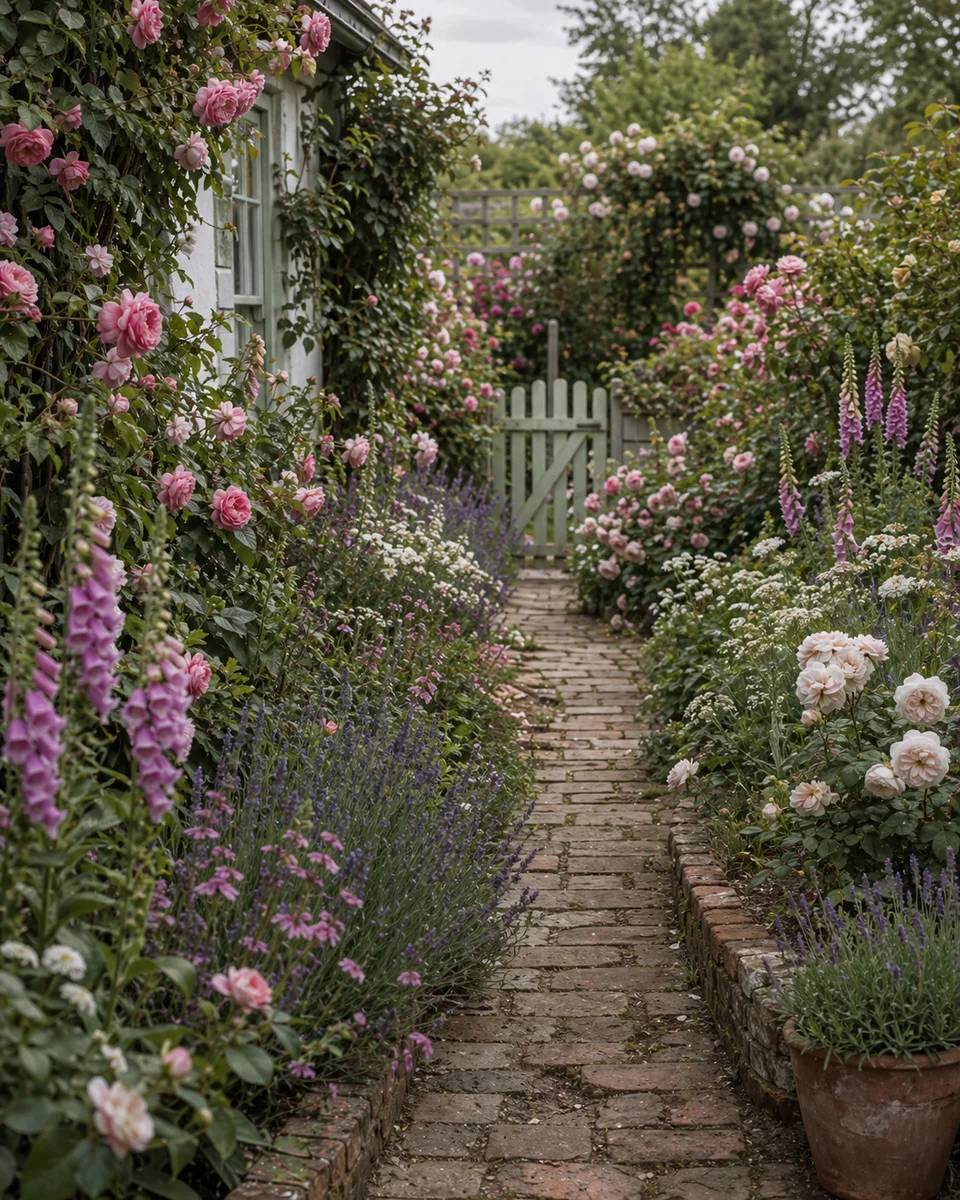
Fix circulation and one viewing angle before the plant list. Cut the list to structure plus one seasonal block, then preview from the house. Preview that massing in Arden from the main viewing angle before you buy sedum, parsley.
How to Achieve This Look
Choose a sheltered, south-facing site with 6+ hours of sun (butterflies are cold-blooded and need warmth to fly). Plant nectar sources in large blocks of single species for efficient foraging: buddleia, verbena bonariensis, lantana, zinnia, echinacea, sedum, and aster. Add essential host plants: milkweed for monarchs, dill and fennel for swallowtails, nettles for painted ladies, parsley for black swallowtails, and aster for crescents. Place flat, dark-colored stones in sunny spots for basking. Provide a shallow dish with wet sand or pebbles for puddling (mineral drinking). Never use pesticides — they kill caterpillars and butterflies indiscriminately.
Try It with AI
Arden helps you preview how a butterfly garden will look in your outdoor space — from the colorful nectar borders to the host plant patches. See the complete habitat design before planting.
“I kept scrolling Pinterest for inspiration. This finally let me see something on my actual yard.”
Frequently Asked Questions
01 What are the best plants for butterflies?
Top nectar plants: buddleia, lantana, verbena, zinnia, echinacea, and sedum. Top host plants: milkweed (monarchs), parsley and fennel (swallowtails), nettles (painted ladies). You need both types for a true butterfly garden.
02 How do I attract monarchs specifically?
Plant milkweed — it is the only plant monarch caterpillars eat. Include multiple milkweed species (common, swamp, butterfly weed) and nectar flowers for adult feeding. Register your garden with Monarch Watch for conservation tracking.
03 Will a butterfly garden attract wasps?
Nectar flowers primarily attract butterflies, bees, and hummingbirds. Wasps are drawn more to protein sources (fallen fruit, meat, sugary drinks) than nectar. A butterfly garden does not significantly increase wasp activity.
04 How much space does a butterfly garden need?
Even a 4x8-foot border with three nectar species and one host plant will attract butterflies. Larger gardens with more species diversity attract more species. A 100-square-foot dedicated area is ideal for a meaningful habitat.