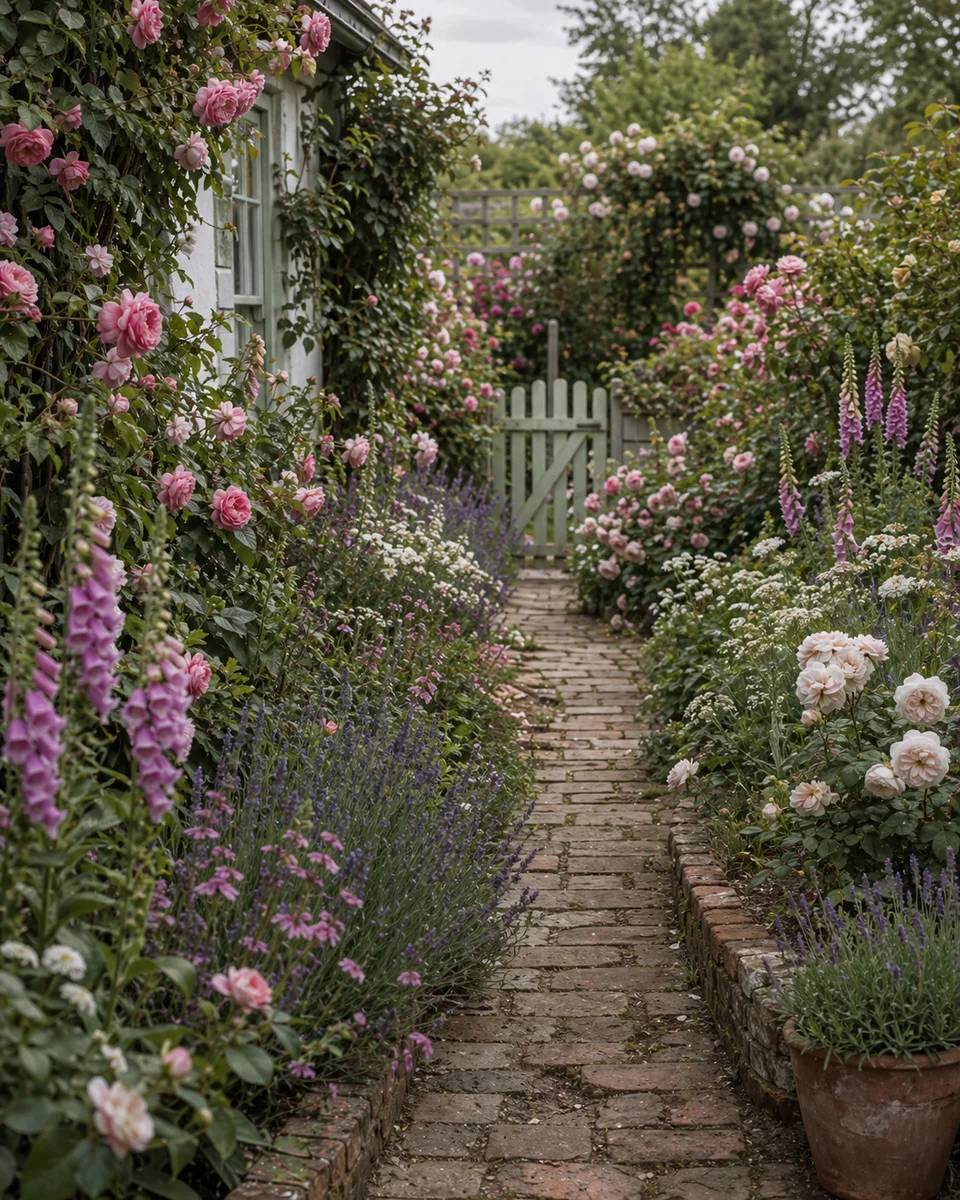
Plan foundation planting that frames the house without hiding it
Create a foundation planting plan with right-sized shrubs, layered perennials, entry anchors, and year-round structure. Preview front yard changes with Arden AI.
Foundation planting is one of the highest-leverage front yard decisions because it sits directly against the house. Good planting softens the base of the building, frames windows and doors, and makes the architecture feel settled into the landscape. Bad planting quickly becomes overgrown, blocks light, traps moisture against siding, and makes the whole property look tired.
A useful foundation planting plan starts with mature plant size, not nursery size. Shrubs should stay below windows, paths should remain clear, and evergreen structure should be balanced with seasonal color so the front yard looks cared for all year. Layering also matters: taller anchors at corners, medium shrubs near walls, and low perennials or ground covers at the front create depth instead of a single flat hedge.
Arden helps you test foundation planting ideas on your actual home photo before buying shrubs. Preview modern, cottage, native, low-maintenance, or drought-tolerant options and see whether the planting supports the architecture from the street.
Best for
- Front yards where shrubs are overgrown, too close to siding, or blocking windows and vents
- Homeowners choosing between modern, cottage, native, formal, or low-maintenance foundation beds
- Curb appeal projects that need entry framing, mature-size planning, and a simple maintenance route
Key benefits
Right-sized shrubs
Preview plants at realistic mature scale so windows, vents, walkways, and porch lines stay visible instead of being swallowed by greenery.
Entry framing
Use symmetrical containers, small trees, or repeated shrubs to guide the eye toward the front door and make arrival feel intentional.
Four-season structure
Combine evergreen anchors with grasses, perennials, and flowering accents so the foundation beds do not disappear outside bloom season.
House-aware styling
Compare clean modern planting, soft cottage borders, native layers, or formal hedging against your exact facade before committing.
Design examples
Window-safe shrub plan
Preview lower shrubs, ground covers, and corner anchors so the facade stays visible as plants mature.
Entry-focused curb appeal
Use repeated plants, containers, or small trees to lead the eye toward the door instead of hiding the entrance.
Low-maintenance foundation bed
Compare evergreen structure, mulch, grasses, and durable perennials before buying plants that need constant pruning.
Practical tips
- 1 Keep shrubs at least 18-24 inches away from siding so air can move and maintenance access stays easy.
- 2 Choose corner anchors that mature below the roofline and avoid placing large shrubs directly under low windows.
- 3 Repeat one or two plant types across the front bed to connect the whole facade.
- 4 Use low ground covers at the front edge to hide bare soil without creating a maintenance-heavy flower strip.
Related garden designs
よくある質問
01 What should a foundation planting plan include?
It should include mature plant sizes, spacing from the house, evergreen structure, entry framing, window clearance, and a simple maintenance plan for pruning and mulch.
02 How tall should foundation plants be?
Most foundation shrubs should mature below the window sill or stay low enough to preserve sightlines. Taller plants work best at house corners or beside blank wall sections.
03 Can Arden preview foundation planting on my house?
Yes. Upload a front-facing photo and Arden can generate foundation planting concepts with shrubs, perennials, paths, mulch, and style changes that match your home.