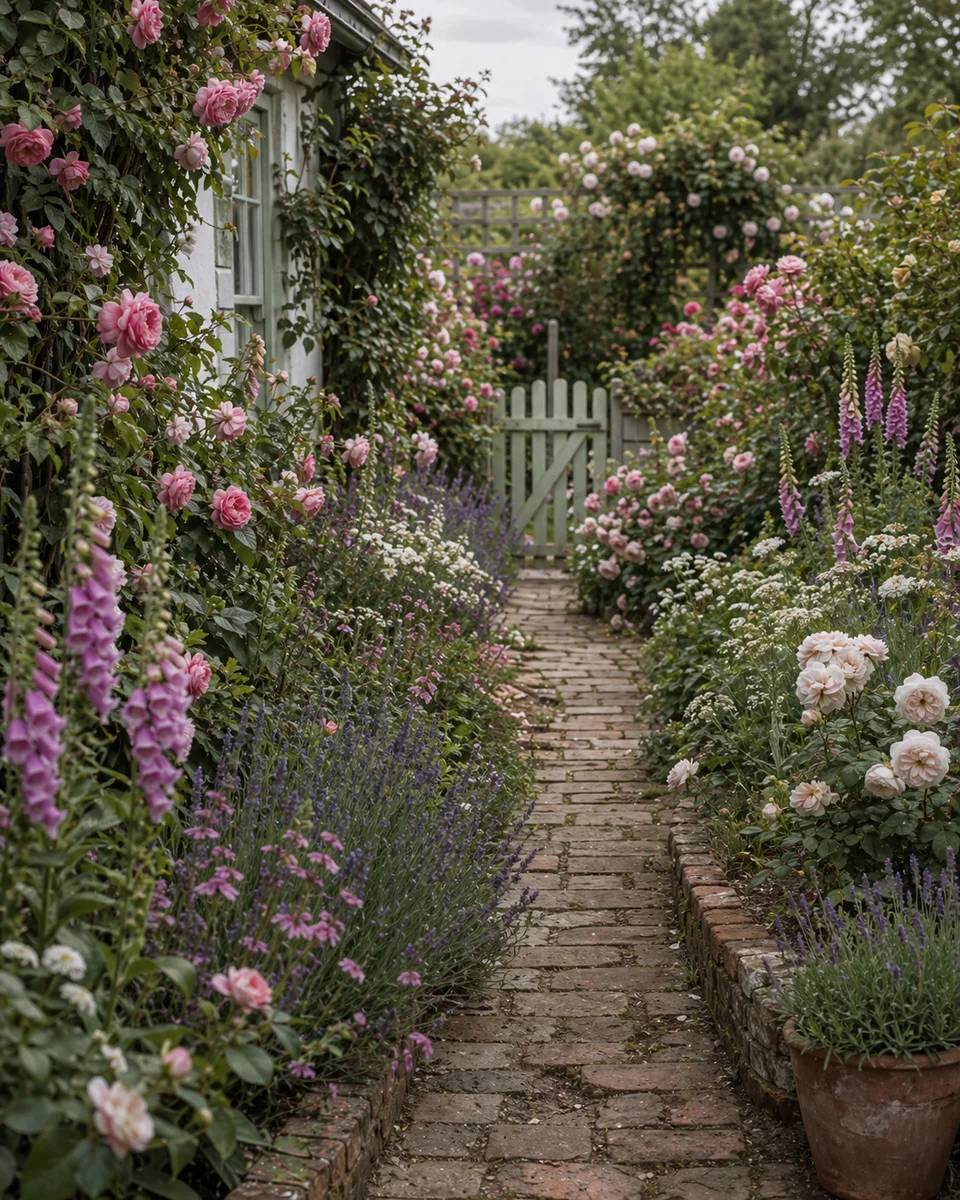
Growing Roses in USDA Zone 10
Rosa spp.
Marginally. Roses is rated for zones 4–10, and zone 10 is at the warm edge of that range. Heat and humidity stress at the warm end of the range; provide afternoon shade, mulch to keep roots cool, and watch for fungal pressure during humid spells.
- Zone
- 10
- Fit
- Marginal
- Low
- 30°F
- Sun
- Full sun
- Water
- Moderate
- Height
- 2–8 ft
- Bloom
- Spring through fall
- Type
- Shrub
Is roses hardy in zone 10?
Marginally. Roses is rated for zones 4–10, and zone 10 is at the warm edge of that range. Heat and humidity stress at the warm end of the range; provide afternoon shade, mulch to keep roots cool, and watch for fungal pressure during humid spells.
Plant hardiness range: 4–10 · Zone 10 minimum: 30°F to 40°F (-1°C to 4°C)
When to plant roses in zone 10
Plant roses in zone 10 in early spring before bud break, or in fall once the heat breaks. Zone 10 timing: Dry season peak. Plant warm-season crops (tomatoes, peppers, squash) January through March. Last (rare) frost risk ends early February. Peak blooming for tropical flowers — plumeria, hibiscus, bougainvillea. Citrus trees bloom and set fruit. Site it in full sun and water on a moderate water schedule from day one.
How to care for roses in zone 10's climate
Plant in full sun with good airflow. Water at soil level, not overhead. Fertilize monthly during growing season. Prune in early spring — remove dead wood, open the center for airflow. Choose disease-resistant varieties to skip the spray routine. In zone 10's summers, Wet and hot — June through October. Heavy rainfall supports tropical growth. Many vegetables struggle in summer heat; focus on tropical heat-lovers like okra, sweet potato, Malabar spinach, tropical pumpkin, and long beans. Most spring gardens intentionally rest. Through zone 10 winters (30°F to 40°F (-1°C to 4°C)), December through February. The best gardening months. Mild and dry. Rare frost possible in northern parts of Zone 10 — cover tender tropicals when overnight lows are forecast below 35°F. Peak vegetable garden productivity.
Common challenges in zone 10
Zone 10 growers planting roses should watch for two regional pressures: Intense UV and summer heat — Provide afternoon shade for most edibles and northern-adapted perennials. Mulch heavily (3-4 inches) to cool roots. Water deeply before sunrise using drip irrigation. Use 30-50% shade cloth on vegetable beds during peak summer (May-September) to prevent heat-driven flower drop. Hurricane and tropical storm damage — Choose wind-resistant trees (native live oaks, pigeon plum, gumbo limbo, slash pine, sabal palmetto) over brittle species (queen palm, black olive, Chinese tallow, melaleuca). Prune for open canopies that let wind pass through. Stake young trees for their first 2-3 years. Clear weak limbs before hurricane season (June 1).
Alternative plants for zone 10
05Other picks tested for zone 10 (30°F to 40°F (-1°C to 4°C)).
Design ideas that fit roses
These idea pages link back to a zone page for roses. Pet-safe names come from existing Arden copy — confirm toxicity with a veterinarian before you plant.
Keep exploring
Frequently Asked Questions
01 Is roses hardy in USDA zone 10?
Marginally. Roses is rated for zones 4–10 and zone 10 sits at the edge of that range — plant in a sheltered microclimate and protect through the worst of winter.
02 When should I plant roses in zone 10?
Dry season peak. Plant warm-season crops (tomatoes, peppers, squash) January through March. Last (rare) frost risk ends early February. Peak blooming for tropical flowers — plumeria, hibiscus, bougainvillea. Citrus trees bloom and set fruit. Spring or fall planting both work — avoid setting transplants out during peak summer heat.
03 How much sun and water does roses need in zone 10?
Roses needs full sun and moderate water. In zone 10's summer climate, water deeply and infrequently rather than shallow daily sips, and mulch 2–3 inches to keep roots cool.