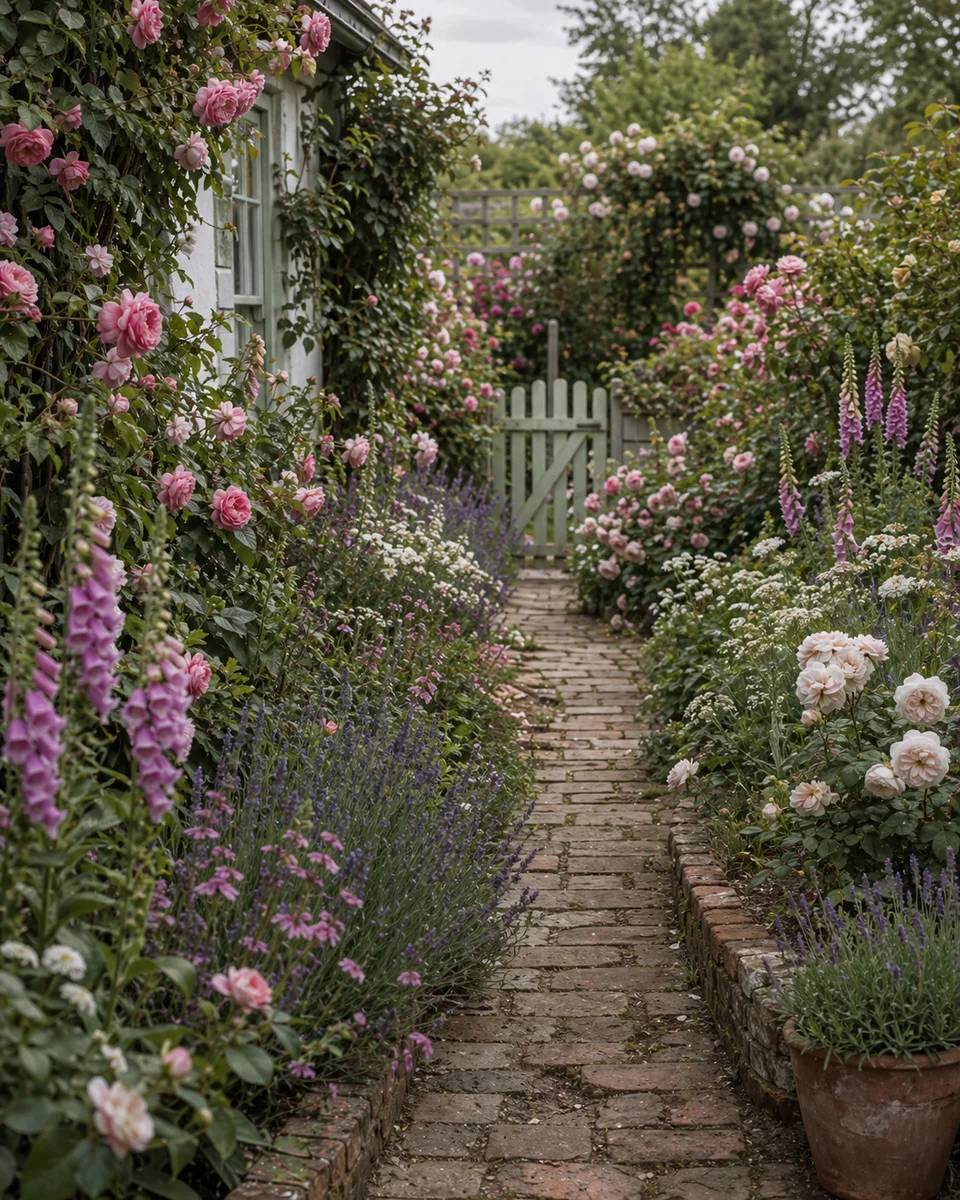
Growing Roses in USDA Zone 5
Rosa spp.
Yes. Roses is rated for USDA zones 4–10 and zone 5 sits comfortably inside that range. Winter lows in zone 5 (-20°F to -10°F (-29°C to -23°C)) stay well within what roses can tolerate without special protection.
- Zone
- 5
- Fit
- Hardy
- Low
- -20°F
- Sun
- Full sun
- Water
- Moderate
- Height
- 2–8 ft
- Bloom
- Spring through fall
- Type
- Shrub
Is roses hardy in zone 5?
Yes. Roses is rated for USDA zones 4–10 and zone 5 sits comfortably inside that range. Winter lows in zone 5 (-20°F to -10°F (-29°C to -23°C)) stay well within what roses can tolerate without special protection.
Plant hardiness range: 4–10 · Zone 5 minimum: -20°F to -10°F (-29°C to -23°C)
When to plant roses in zone 5
Plant roses in zone 5 in early spring before bud break, or in fall once the heat breaks. Zone 5 timing: April through May. Last frost usually mid-April to mid-May. Peak planting window for cool-season vegetables and early perennials. Flowering trees (magnolia, dogwood, redbud) bloom late April. Start warm-season vegetable transplants indoors by mid-March. Site it in full sun and water on a moderate water schedule from day one.
How to care for roses in zone 5's climate
Plant in full sun with good airflow. Water at soil level, not overhead. Fertilize monthly during growing season. Prune in early spring — remove dead wood, open the center for airflow. Choose disease-resistant varieties to skip the spray routine. In zone 5's summers, Warm and often humid June through August. Peak flowering perennial season (July is peak bloom for most classic perennials). Water deeply once or twice a week rather than daily. Deadhead roses, salvias, and other repeat bloomers for a second flush in late summer. Through zone 5 winters (-20°F to -10°F (-29°C to -23°C)), December through March. Protect tender plants (hybrid tea roses, late-planted broadleaf evergreens) with winter mulch. Plan new beds and order seeds in January. Prune dormant fruit trees and deciduous shrubs in February-March before buds break.
Common challenges in zone 5
Zone 5 growers planting roses should watch for two regional pressures: Winter desiccation on evergreens — Water evergreens deeply before the ground freezes. Apply anti-desiccant sprays (Wilt-Pruf) in late fall on exposed boxwood, holly, and rhododendron. Site wind-sensitive evergreens on protected sides. Burlap screens protect newly planted specimens through their first two winters. Hot, humid summers stressing cool-climate plants — Choose heat-tolerant cultivars of perennials bred for the Midwest (Proven Winners series, Walters Gardens introductions). Mulch deeply (2-3 inches) to keep roots cool. Plant hydrangeas, astilbe, and other moisture-lovers where they get afternoon shade.
Alternative plants for zone 5
05Other picks tested for zone 5 (-20°F to -10°F (-29°C to -23°C)).
Design ideas that fit roses
These idea pages link back to a zone page for roses. Pet-safe names come from existing Arden copy — confirm toxicity with a veterinarian before you plant.
Keep exploring
Frequently Asked Questions
01 Is roses hardy in USDA zone 5?
Yes. Roses is rated for zones 4–10, and zone 5 (-20°F to -10°F (-29°C to -23°C)) sits comfortably inside that range.
02 When should I plant roses in zone 5?
April through May. Last frost usually mid-April to mid-May. Peak planting window for cool-season vegetables and early perennials. Flowering trees (magnolia, dogwood, redbud) bloom late April. Start warm-season vegetable transplants indoors by mid-March. Spring or fall planting both work — avoid setting transplants out during peak summer heat.
03 How much sun and water does roses need in zone 5?
Roses needs full sun and moderate water. In zone 5's summer climate, water deeply and infrequently rather than shallow daily sips, and mulch 2–3 inches to keep roots cool.