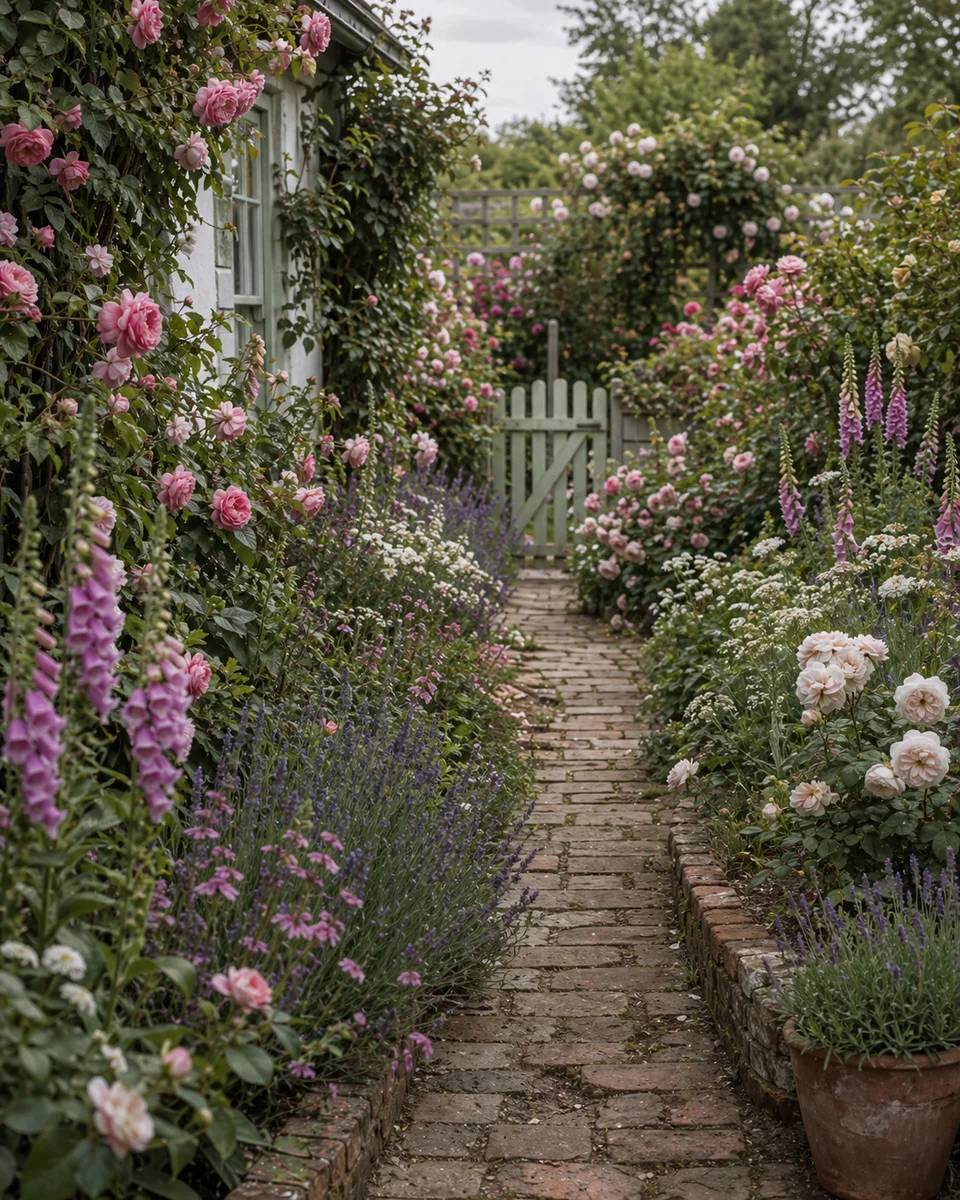
Growing Spirea in USDA Zone 3
Spiraea spp.
Marginally. Spirea is rated for zones 3–8, and zone 3 is at the cold edge of that range. Site it in a sheltered microclimate — south-facing walls, courtyards, or wind-protected spots — and mulch heavily before the first hard freeze to buffer against winter lows of -40°F.
- Zone
- 3
- Fit
- Marginal
- Low
- -40°F
- Sun
- Full sun
- Water
- Low
- Height
- 1–8 ft
- Bloom
- Spring or summer (varies)
- Type
- Shrub
Is spirea hardy in zone 3?
Marginally. Spirea is rated for zones 3–8, and zone 3 is at the cold edge of that range. Site it in a sheltered microclimate — south-facing walls, courtyards, or wind-protected spots — and mulch heavily before the first hard freeze to buffer against winter lows of -40°F.
Plant hardiness range: 3–8 · Zone 3 minimum: -40°F to -30°F (-40°C to -34°C)
When to plant spirea in zone 3
Plant spirea in zone 3 in early spring before bud break, or in fall once the heat breaks. Zone 3 timing: Late April through May. Start most vegetables indoors by mid-March under grow lights. Direct-sow peas, spinach, and lettuce as soon as soil thaws (often late April). Last frost typically late May to early June. Plant cold-hardy perennials (daylilies, coneflower) once the frost danger passes. Site it in full sun and water on a low water schedule from day one.
How to care for spirea in zone 3's climate
Plant in well-drained soil in full sun. Prune bridal wreath types after flowering. Shear bumald types in early spring to within 6 inches for dense growth and heavy bloom. Deadhead for rebloom on summer types. In zone 3's summers, Short but intense — long daylight hours (up to 18 hours near the solstice) drive rapid growth. Peak blooming June-August. Water deeply during dry spells; check container plants daily in windy conditions. Prune flowering shrubs immediately after bloom to preserve next year's buds. Through zone 3 winters (-40°F to -30°F (-40°C to -34°C)), Long and severe — December through March. Protect shrubs from wind desiccation with burlap screens. Knock heavy snow off evergreen branches to prevent breakage. Plan next year's garden, order seeds in January, and start seeds under lights by mid-February for warm-season crops.
Common challenges in zone 3
Zone 3 growers planting spirea should watch for two regional pressures: Short growing season — Start seeds indoors 8-10 weeks before last frost. Choose early-maturing vegetable varieties (under 70 days to harvest) and use row covers or low tunnels to extend the season on both ends. A simple cold frame buys another 3-4 weeks on either side of the frost window. Extreme winter temperature swings — Mulch perennials heavily (4-6 inches of straw or wood chips) after the first hard freeze to prevent freeze-thaw heaving. Site tender plants on the north or east side of buildings where temperatures stay more stable. Snow cover is the best insulator — pile shoveled snow onto garden beds rather than clearing it away.
Alternative plants for zone 3
05Other picks tested for zone 3 (-40°F to -30°F (-40°C to -34°C)).
Design ideas that fit spirea
These idea pages link back to a zone page for spirea.
Keep exploring
Frequently Asked Questions
01 Is spirea hardy in USDA zone 3?
Marginally. Spirea is rated for zones 3–8 and zone 3 sits at the edge of that range — plant in a sheltered microclimate and protect through the worst of winter.
02 When should I plant spirea in zone 3?
Late April through May. Start most vegetables indoors by mid-March under grow lights. Direct-sow peas, spinach, and lettuce as soon as soil thaws (often late April). Last frost typically late May to early June. Plant cold-hardy perennials (daylilies, coneflower) once the frost danger passes. Spring or fall planting both work — avoid setting transplants out during peak summer heat.
03 How much sun and water does spirea need in zone 3?
Spirea needs full sun and low water. In zone 3's summer climate, water deeply and infrequently rather than shallow daily sips, and mulch 2–3 inches to keep roots cool.