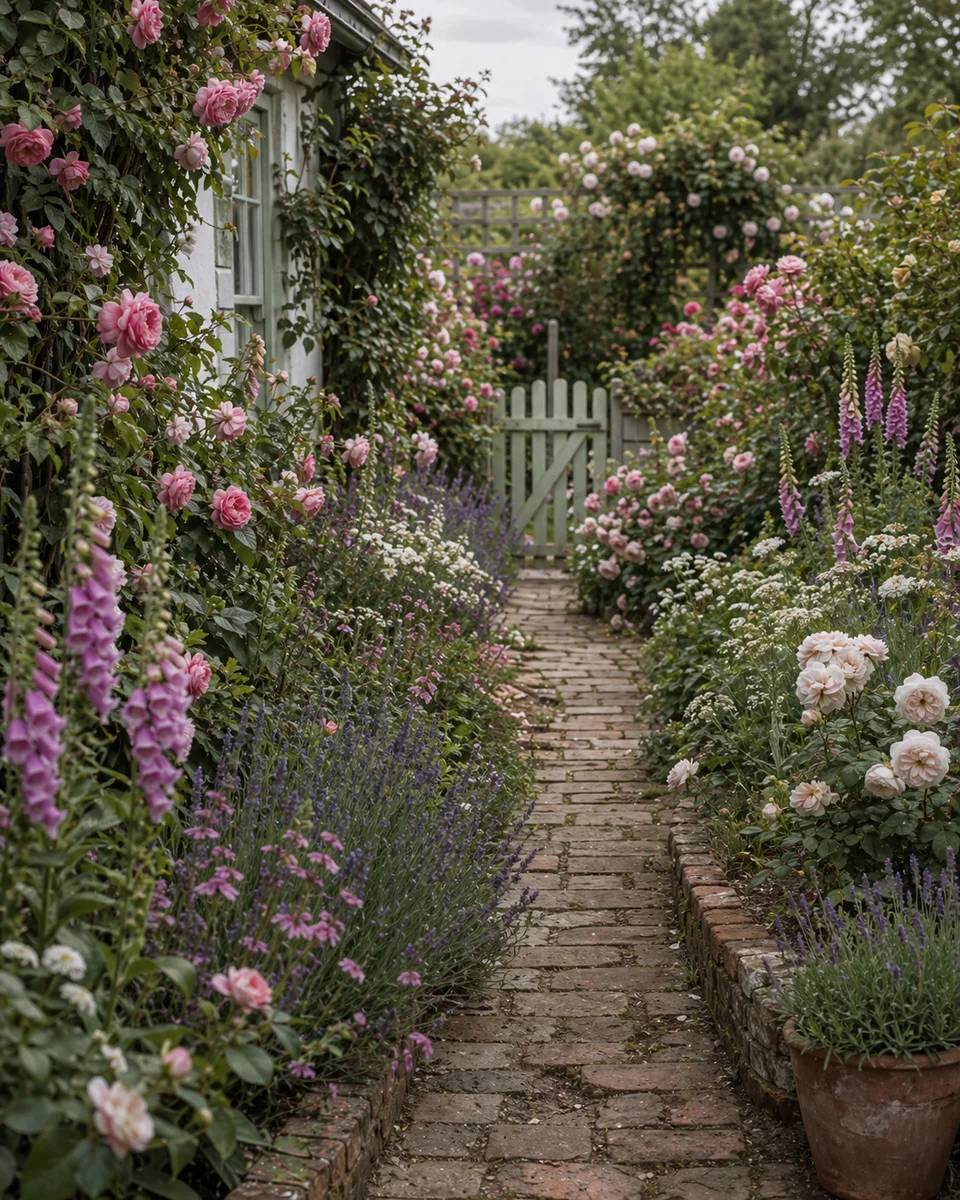
Growing Viburnum in USDA Zone 8
Viburnum spp.
Marginally. Viburnum is rated for zones 3–8, and zone 8 is at the warm edge of that range. Heat and humidity stress at the warm end of the range; provide afternoon shade, mulch to keep roots cool, and watch for fungal pressure during humid spells.
- Zone
- 8
- Fit
- Marginal
- Low
- 10°F
- Sun
- Full sun to part shade
- Water
- Moderate
- Height
- 3–15 ft
- Bloom
- Spring
- Type
- Shrub
Is viburnum hardy in zone 8?
Marginally. Viburnum is rated for zones 3–8, and zone 8 is at the warm edge of that range. Heat and humidity stress at the warm end of the range; provide afternoon shade, mulch to keep roots cool, and watch for fungal pressure during humid spells.
Plant hardiness range: 3–8 · Zone 8 minimum: 10°F to 20°F (-12°C to -7°C)
When to plant viburnum in zone 8
Plant viburnum in zone 8 in early spring before bud break, or in fall once the heat breaks. Zone 8 timing: February through April. Last frost typically late February to mid-March. Extended planting window — cool-season crops often overwinter. Azaleas peak in late March-early April. Plant warm-season vegetables (tomatoes, peppers, squash) after mid-March soil warmup. Site it in full sun to part shade and water on a moderate water schedule from day one.
How to care for viburnum in zone 8's climate
Plant in well-drained soil. Most species are adaptable. Prune lightly after flowering — heavy pruning sacrifices next year's berries. Plant two different cultivars of the same species for best berry production. Watch for viburnum leaf beetle in the Northeast. In zone 8's summers, May through September. Hot, humid, with afternoon thunderstorms. Plant heat-loving annuals (zinnia, lantana, pentas, angelonia). Most cool-season perennials pause. Water deeply twice weekly. Cut back leggy perennials in July for a rebloom in September. Through zone 8 winters (10°F to 20°F (-12°C to -7°C)), December through February. Mild with occasional hard freezes. Protect camellias and citrus during cold snaps with frost cloth or Christmas lights (for the heat). Prune roses in late January. Plant bareroot roses and fruit trees in February.
Common challenges in zone 8
Zone 8 growers planting viburnum should watch for two regional pressures: Intense summer heat and humidity — Choose heat-tolerant cultivars (Proven Winners Southern Living series). Water deeply in early morning before 9am to reduce evaporative loss. Mulch 3-4 inches deep with pine straw or hardwood bark. Provide afternoon shade for hydrangeas, hostas, and other cool-climate favorites. Fire ants and fungal diseases — Treat fire ant mounds with bait (Amdro, Advion) in spring and fall — broadcast treatments work better than spot applications. Space plants for airflow. Choose disease-resistant cultivars of roses (Knock Out, Earth-Kind series), tomatoes (VFN-resistant), and crape myrtles (Natchez, Miami).
Alternative plants for zone 8
05Other picks tested for zone 8 (10°F to 20°F (-12°C to -7°C)).
Keep exploring
Frequently Asked Questions
01 Is viburnum hardy in USDA zone 8?
Marginally. Viburnum is rated for zones 3–8 and zone 8 sits at the edge of that range — plant in a sheltered microclimate and protect through the worst of winter.
02 When should I plant viburnum in zone 8?
February through April. Last frost typically late February to mid-March. Extended planting window — cool-season crops often overwinter. Azaleas peak in late March-early April. Plant warm-season vegetables (tomatoes, peppers, squash) after mid-March soil warmup. Spring or fall planting both work — avoid setting transplants out during peak summer heat.
03 How much sun and water does viburnum need in zone 8?
Viburnum needs full sun to part shade and moderate water. In zone 8's summer climate, water deeply and infrequently rather than shallow daily sips, and mulch 2–3 inches to keep roots cool.