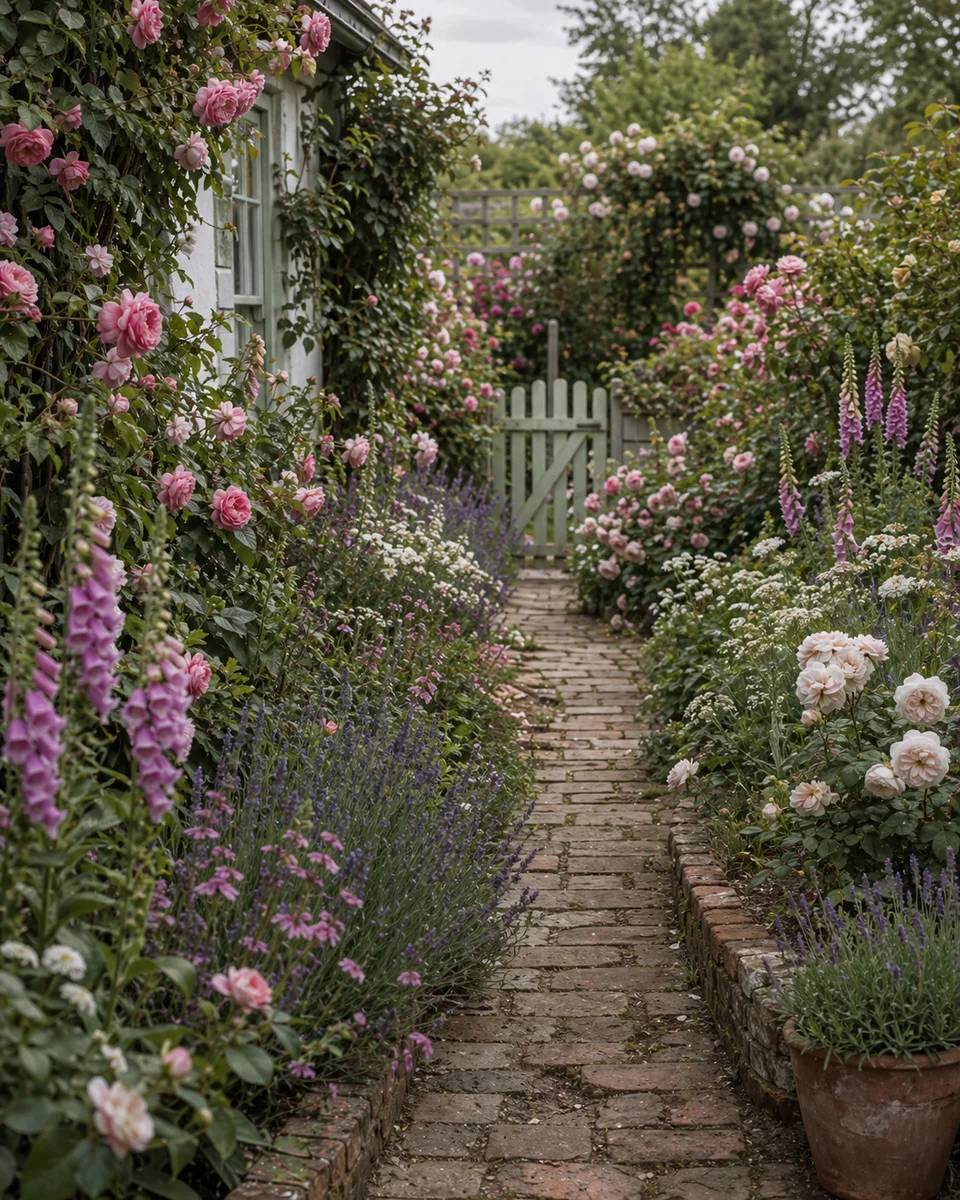
Pollinator Garden Design

Create a garden that buzzes with life

Design a pollinator garden that attracts butterflies, bees, and hummingbirds with native wildflowers and seasonal bloom planning. Preview pollinator garden layouts with Arden AI.

A pollinator garden is more than a beautiful border — it is a functioning ecosystem. By selecting the right mix of native wildflowers, flowering shrubs, and habitat features, you create a year-round buffet for butterflies, native bees, hummingbirds, and dozens of other beneficial species that are in steep decline worldwide.

The most effective pollinator gardens are designed around continuous bloom sequences. Spring-flowering bulbs hand off to summer wildflowers, which give way to late-season asters and goldenrod. Layered heights — from low-growing ground covers to tall meadow grasses — provide foraging at every level and shelter for species that nest in stems, leaf litter, or bare soil patches.

Arden lets you photograph your yard and preview pollinator-friendly planting schemes tailored to your specific space. See how a front-yard pollinator meadow, a backyard butterfly border, or a patio container garden for bees would look before you plant a single seed.

Key benefits

Native wildflower selection

Regionally appropriate native wildflowers provide the pollen and nectar that local pollinators have co-evolved with — delivering far more ecological value per plant than exotic alternatives.

Seasonal bloom planning

A carefully sequenced bloom calendar ensures something is always flowering from early spring through late fall, eliminating the food gaps that cause pollinator populations to crash.

Butterfly and bee habitat

Host plants for butterfly larvae, bare soil patches for ground-nesting bees, and hollow-stemmed plants left standing through winter provide the full lifecycle habitat pollinators need beyond just nectar.

Attracting hummingbirds

Tubular red and orange flowers — native columbine, bee balm, cardinal flower — draw hummingbirds reliably, adding movement and spectacle to the garden from spring through fall migration.

Practical tips

  1. 1 Plant in drifts of at least three to five of the same species — pollinators forage more efficiently when they can visit multiple flowers of the same type without flying between different species.
  2. 2 Include at least one milkweed species if you are in North America. Milkweed is the only larval host plant for monarch butterflies and is non-negotiable for monarch conservation.
  3. 3 Leave a few patches of bare soil and a small brush pile in a quiet corner — many native bee species nest in the ground, and solitary bees use hollow stems and small cavities.
  4. 4 Avoid double-flowered cultivars. The extra petals replace pollen-producing structures, making them beautiful but nutritionally useless to pollinators.
  5. 5 Delay fall cleanup until spring. Hollow stems shelter overwintering native bees, seed heads feed birds, and leaf litter protects ground-nesting insects.

Related garden designs

FAQ

Часто задаваемые вопросы

01 How big does a pollinator garden need to be?

Even a single container with native flowers supports pollinators. A 4-by-8-foot bed with six to eight well-chosen species makes a meaningful difference. Larger gardens obviously support more species, but every patch of pollinator habitat counts — especially in urban areas where forage is scarce.

02 Will a pollinator garden attract wasps and stinging insects?

Pollinator gardens primarily attract gentle native bees, butterflies, and hoverflies — not aggressive wasps. Native bees are docile and rarely sting. Wasps are territorial around their own nests, not around flower beds. The diversity of a pollinator garden actually reduces the dominance of any single species.

03 Can I have a pollinator garden that still looks tidy?

Absolutely. Use clean bed edges, a mown grass border, and structured drifts of the same species rather than a random scatter. Many native plants — coneflowers, black-eyed Susans, blazing star — are as ornamental as any garden perennial. A well-designed pollinator garden reads as intentional, not wild.

04 Can Arden help me plan a pollinator garden?

Yes. Upload a photo of your space and Arden will generate pollinator-friendly design options showing native wildflower borders, butterfly habitat features, and seasonal bloom layouts tailored to your specific garden dimensions.

Related use cases

Бесплатно на iOS и Android

Готовы переосмыслить ваше открытое пространство?

Скачайте Arden бесплатно — увидьте преображение сада за секунды.

Без карты. Без регистрации. Только результат.

Arden доверяют более 200 тыс. садоводов
8,247 active this week
4.8
★★★★★
App Store
8.2K
Reviews
All time