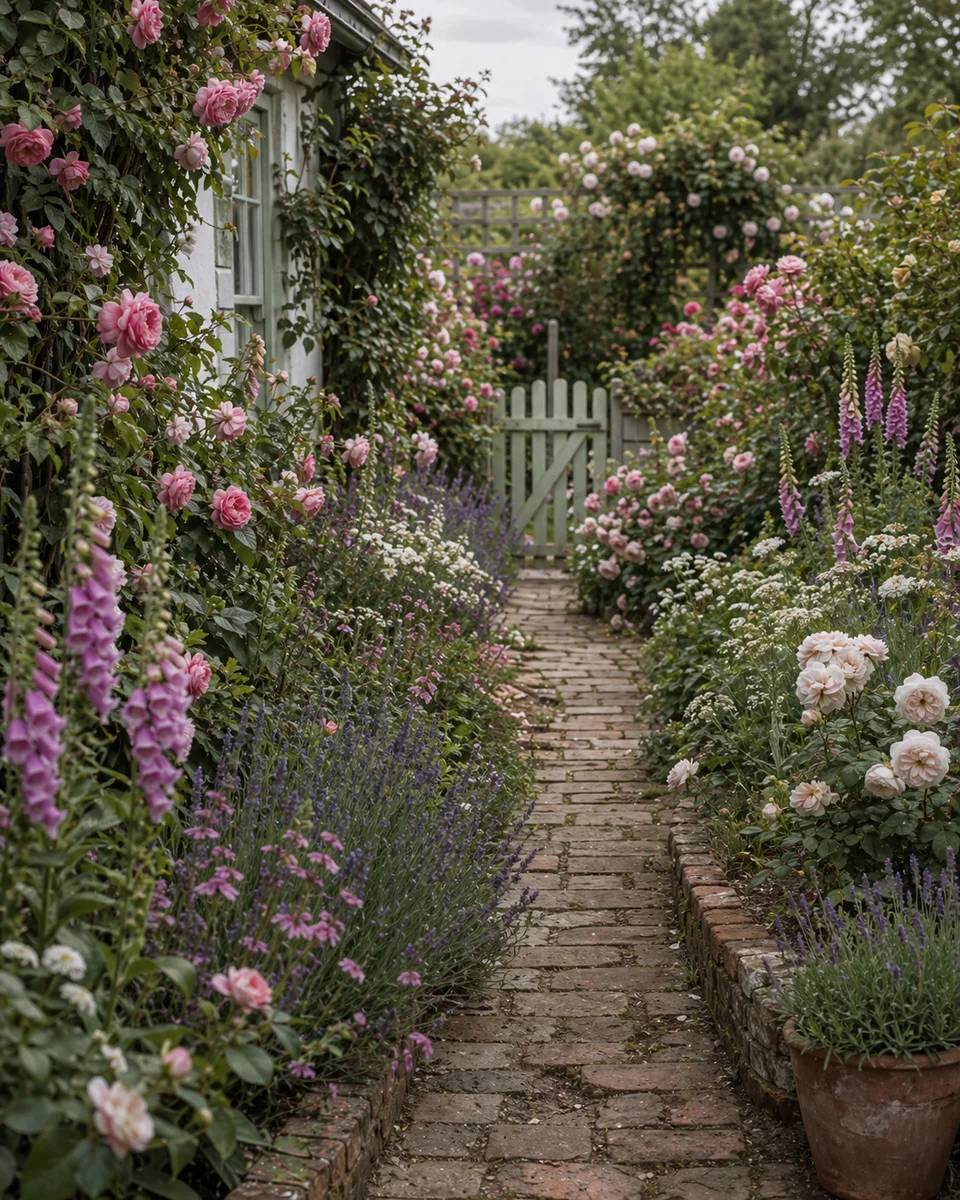
منطقة USDA رقم 10 خالية من الصقيع في معظم الشتاءات. تنمو الاستوائيات الحقيقية — plumeria، heliconia، bougainvillea، والنخيل الملكي — في الهواء الطلق على مدار العام. لا تنام الحديقة أبداً. بدلاً من السكون الشتوي، تخطّط حدائق المنطقة 10 حول مواسم الجفاف والمطر، مع الموسم "البارد" المنتج الممتد من نوفمبر حتى أبريل والموسم الحار الممطر الممتد من مايو حتى أكتوبر. تختلف الثقافة الزراعية الإقليمية بشكل كبير بين ساحل جنوب Florida، وجزر Florida Keys، وساحل جنوب California (San Diego، ساحل Los Angeles)، وجيوب المنطقة 10 الصحراوية (أراضي Phoenix المنخفضة). المنطقة 10 في Florida استوائية صراحةً مع ازدهار المانجو والأفوكادو والموز ونخيل جوز الهند في المواقع المحمية. تميل المنطقة 10 في California نحو هجين متوسطي-استوائي — bougainvillea، الحمضيات، الأفوكادو، والكركديه إلى جانب الخزامى وإكليل الجبل والعصاريات. يحدّد التعرّض للأعاصير والعواصف الاستوائية اختيار النباتات في Florida وKeys؛ مقاومة الرياح تهم بقدر مقاومة البرد. ضغط النباتات الغازية شديد — فالكثير من الاستوائيات "الزينية" تهرب من الزراعة وتضرّ بالأنظمة البيئية المحلية.
جنوب Florida (Miami، Fort Lauderdale)، وجزر Florida Keys، وأجزاء من ساحل جنوب California (San Diego، ساحل LA)، والمناطق المنخفضة الارتفاع في Arizona (Phoenix، أراضي Tucson المنخفضة).
أشعة فوق بنفسجية شديدة وحرارة صيف: وفّر ظل بعد الظهر لمعظم النباتات الصالحة للأكل والمعمّرات المتكيّفة شمالياً. غطِّ بنشارة كثيفة (من 3 إلى 4 بوصات) لتبريد الجذور. اسقِ بعمق قبل شروق الشمس باستخدام الريّ بالتنقيط. استخدم قماش ظل بنسبة 30 إلى 50% على أحواض الخضروات خلال ذروة الصيف (من مايو حتى سبتمبر) لمنع تساقط الأزهار بسبب الحرارة.
أضرار الأعاصير والعواصف الاستوائية: اختر أشجاراً مقاومة للرياح (البلوط الحي الأصلي، برقوق الحمام، gumbo limbo، الصنوبر المائل، sabal palmetto) بدلاً من الأنواع الهشّة (النخيل الملكي، الزيتون الأسود، الفانوس الصيني، melaleuca). قلّم لتكوين تيجان مفتوحة تسمح بمرور الرياح. ادعم الأشجار الصغيرة في أول 2 إلى 3 سنوات. أزل الأغصان الضعيفة قبل موسم الأعاصير (1 يونيو).
إزهار ضعيف على النباتات التي تتطلّب برودة: تخطّ النباتات المعتدلة التقليدية تماماً. استبدل الليلك والفاوانيا والتوليب بمكافئات استوائية — frangipani (plumeria)، heliconia، القلقاس، طائر الجنة، وcrotons. ركّز على الاستوائيات المُهجَّنة للمناخات الخالية من الصقيع بدلاً من محاربة عدم توافق المنطقة.
ضغط النباتات الغازية: تجنّب الغازيات المعروفة: الفلفل البرازيلي، melaleuca، الفانوس الصيني، بطاطس الهواء، السرخس المتسلّق. اختر بدائل أصلية حيثما أمكن: البلوط الأصلي، البن البري، شجرة الجمال، شجيرة النار (Hamelia patens)، coontie. راجع قائمة الأنواع الغازية في ولايتك قبل زراعة استوائيات غير مألوفة.
ضغط الآفات والأمراض على مدار العام: راقب أسبوعياً بحثاً عن الحشرة القشرية والتربس والذبابة البيضاء والبق الدقيقي على الاستوائيات. استخدم الزيوت البستانية والصابون المبيد للحشرات. عالج المشاكل الفطرية (الأنثراكنوز، البياض الدقيقي) عند أول ظهور. ناوب محاصيل الخضروات لكسر دورات الأمراض والديدان الخيطية.
ذروة موسم الجفاف. ازرع المحاصيل المحبة للدفء (الطماطم، الفلفل، القرع) من يناير حتى مارس. ينتهي خطر آخر صقيع (نادر) في أوائل فبراير. ذروة الإزهار للأزهار الاستوائية — plumeria، الكركديه، bougainvillea. تُزهر أشجار الحمضيات وتعقد ثمارها.
ممطر وحار — من يونيو حتى أكتوبر. تدعم الأمطار الغزيرة النمو الاستوائي. تعاني الكثير من الخضروات في حرارة الصيف؛ ركّز على محبّات الحرارة الاستوائية مثل البامية والبطاطا الحلوة وسبانخ Malabar واليقطين الاستوائي والفاصولياء الطويلة. تستريح معظم حدائق الربيع عمداً.
من أكتوبر حتى ديسمبر. بداية نافذة النمو الرئيسية المحبة للبرودة. ازرع الطماطم والفلفل والخضروات الورقية والأزهار المحبة للبرودة (البنفسج الثلاثي الألوان، البنفسج الزينة، حنك السبع). يجعل انخفاض ضغط الآفات وتقلّص الإجهاد الحراري هذا أسهل موسم بستنة.
من ديسمبر حتى فبراير. أفضل أشهر البستنة. معتدل وجاف. صقيع نادر محتمل في الأجزاء الشمالية من المنطقة 10 — غطِّ الاستوائيات الرقيقة عندما تُتوقّع درجات حرارة ليلية دنيا دون 35°F. ذروة إنتاجية حديقة الخضروات.
الأسئلة الشائعة
01 ما الأشجار التي تنمو بشكل أفضل في المنطقة 10؟
أنواع Florida الأصلية والمتحمّلة للجفاف: البلوط الحي، gumbo limbo، برقوق الحمام، sabal palmetto (شجرة الولاية)، الصنوبر المائل، النخيل الملكي، المانجو، الأفوكادو، وjacaranda. تجنّب الغازيات الهشّة مثل melaleuca والفلفل البرازيلي والفانوس الصيني — فهي تتكسّر في العواصف وتضرّ بالأنظمة البيئية الأصلية.
02 متى يكون الموسم الممطر في المنطقة 10؟
في Florida، من مايو حتى أكتوبر — توقّع عواصف رعدية يومية بعد الظهر وعواصف استوائية/أعاصير عرضية من يونيو حتى نوفمبر. في Arizona، من يوليو حتى سبتمبر (موسم الرياح الموسمية). جنوب California ممطر شتاءً (من نوفمبر حتى مارس) وجاف صيفاً. خطّط للزراعة والريّ حول هذه الأنماط.
03 هل يمكنني زراعة المانجو في المنطقة 10؟
نعم، في معظم جنوب Florida والأجزاء المحمية من ساحل California في المنطقة 10. اختر أصنافاً مصنّفة لموقعك المحدد: Haden وKeitt وKent لـ Florida؛ وManila وAtaulfo لـ California. يحتاج المانجو إلى شمس كاملة وتربة جيدة التصريف وحماية من الرياح التي تتجاوز 40 ميلاً في الساعة.
04 ما الخضروات التي تنمو في صيف المنطقة 10؟
المحاصيل الاستوائية والمتحمّلة للحرارة فقط: البامية، البطاطا الحلوة، البازلاء الجنوبية، سبانخ Malabar، اليقطين الاستوائي (seminole، calabaza)، الفاصولياء الطويلة (yardlong)، Chaya، أوريغانو كوبا. لا تستطيع الخضروات الشمالية التقليدية (الخس، البروكلي، الطماطم) تحمّل حرارة مستمرة فوق 90°F مع رطوبة عالية.