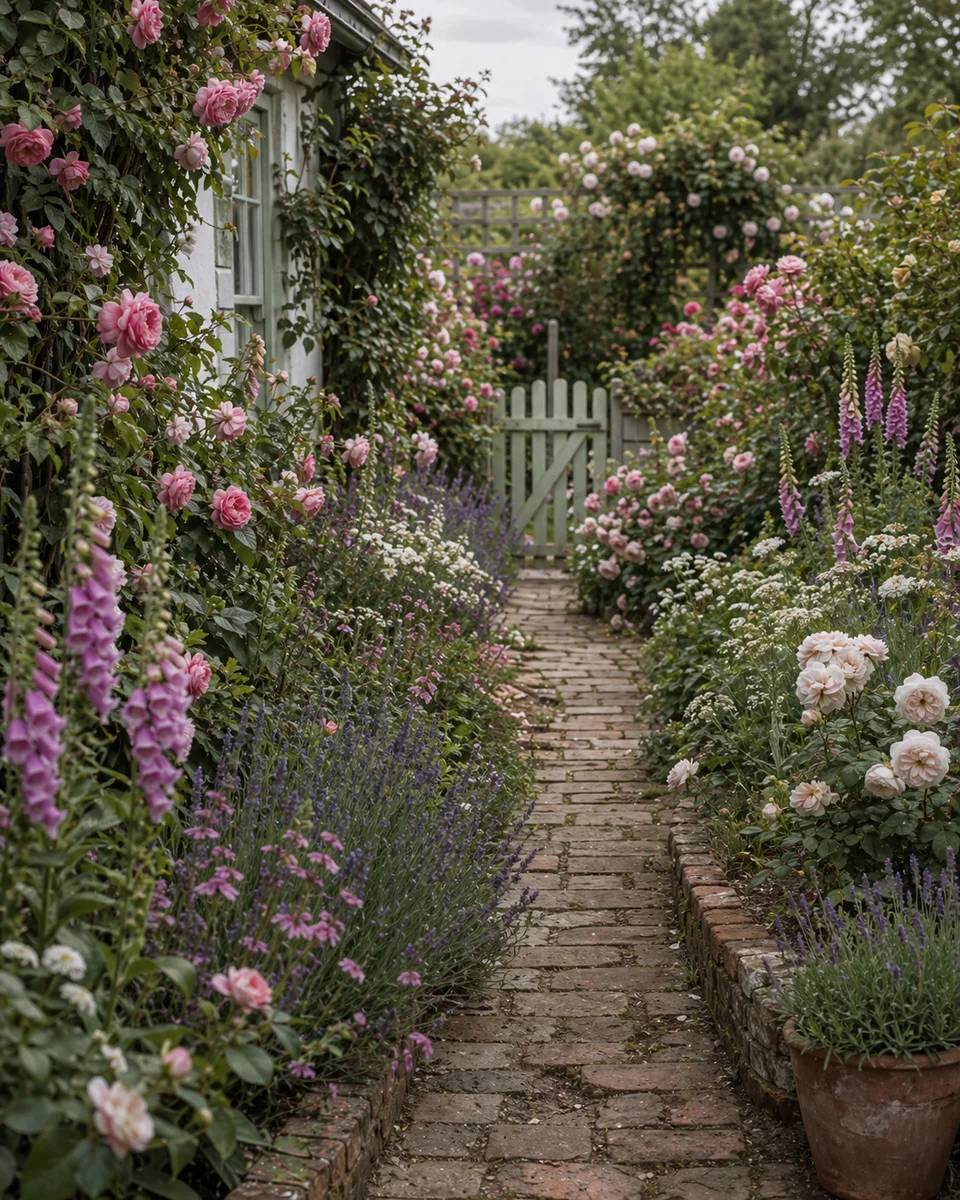
La zone USDA 6 offre le plus large éventail de choix de plantes de toutes les zones américaines. La plupart des plantes tempérées classiques y prospèrent — des tulipes et pivoines au lilas des Indes (crape myrtle, dans les emplacements protégés) et au magnolia du Sud (marginal). Les hivers sont modérés, avec des minimums typiques de -10°F à 0°F, les étés sont chauds à chauds, et la saison de croissance s'étend sur six mois complets (180 à 210 jours sans gel) dans la plupart des régions. La culture horticole régionale est profondément développée — c'est le cœur de la tradition horticole américaine, avec des jardins de présentation célèbres (Longwood, Chanticleer, Winterthur) et des communautés de jardiniers chevronnées à travers le Mid-Atlantic et la vallée de l'Ohio. Les sols varient largement : argile dans une grande partie de la vallée de l'Ohio et du haut Midwest, limon caillouteux en Nouvelle-Angleterre, limon fin dans le Mid-Atlantic. La pression des cerfs est importante dans les zones périurbaines et rurales, et les scarabées japonais, les punaises diaboliques et le fulgore tacheté (dans le Mid-Atlantic) sont des ravageurs actifs. La plupart des jardins connaissent deux pics de floraison distincts — de fin avril à juin, puis de nouveau de septembre à octobre, une fois la chaleur estivale dissipée.
Sud de la Nouvelle-Angleterre, intérieur du Mid-Atlantic, vallée de la rivière Ohio, la majeure partie de la Pennsylvanie, Virginie-Occidentale, Kentucky, Tennessee, sud du Missouri, Arkansas, Oklahoma, nord du Texas, et une grande partie de la côte du Pacific Northwest.
Sols argileux lourds: Amendez l'argile avec 5 à 8 cm de compost et de sable grossier chaque année avant la plantation. Construisez des plates-bandes surélevées de 25 à 35 cm de profondeur pour les légumes. Choisissez des plantes tolérantes à l'argile (hémérocalle, échinacée, graminées ornementales, baptisia, aster) pour les zones à problèmes. Ne travaillez jamais l'argile humide — elle se compacte comme du béton.
Pression des cerfs dans les zones périurbaines: Misez sur des plantes résistantes aux cerfs : lavande, sauge, népéta, sauge russe (Russian sage), buis, spirée, myrique, jonquilles et la plupart des graminées ornementales. Clôturez les potagers avec une clôture anti-cerfs de 2,4 m de haut. Alternez les répulsifs en spray (Liquid Fence, Deer Out) toutes les 4 à 6 semaines — les cerfs s'habituent vite à un seul produit.
Dégâts du scarabée japonais en été: Ramassez les scarabées à la main dans de l'eau savonneuse tôt le matin, lorsqu'ils sont engourdis. Appliquez le ferment laiteux à long terme (Paenibacillus popilliae) pour un contrôle des larves sur plusieurs années. Évitez les pièges à phéromones — ils attirent plus de scarabées qu'ils n'en capturent. Plantes résistantes : buis, lilas, magnolia et la plupart des conifères.
Maladies fongiques favorisées par l'humidité: Espacez les plantes pour la circulation de l'air (respectez l'espacement de l'étiquette, et non les 2/3 de celui-ci). Arrosez au niveau du sol avec un goutte-à-goutte ou des tuyaux poreux, jamais par le dessus. Choisissez des cultivars résistants aux maladies pour les tomates, les rosiers, le phlox et la monarde. Retirez rapidement le feuillage malade et détruisez-le — ne le compostez pas.
Invasion du fulgore tacheté (Mid-Atlantic): Grattez les pontes (d'octobre à mai) dans de l'eau savonneuse. Posez des bandes de ruban collant sur l'ailante (hôte principal) au printemps et en été. Écrasez les fulgores adultes à vue. Inspectez les plants de pépinière et le bois de chauffage à la recherche de pontes avant de les transporter.
De mars à mai. La dernière gelée se situe généralement à la mi-avril. La fenêtre de plantation fiable la plus longue de toutes les zones — cultures de saison fraîche en mars, de saison chaude après la mi-mai. Les arbres à fleurs (cornouiller, gainier, cerisier, magnolia) culminent de fin mars à avril. Plantez les rosiers et les arbres fruitiers à racines nues en mars.
De juin à septembre. Chaud, humide, avec des orages l'après-midi. Paillez abondamment (5 à 8 cm) pour conserver l'humidité et rafraîchir les racines. Pic de floraison des vivaces à la mi-juillet. Supprimez les fleurs fanées des remontants (sauge, rosiers, népéta) pour une couleur continue. Arrosez abondamment une ou deux fois par semaine.
D'octobre à début novembre. La première gelée survient généralement fin octobre. Meilleur moment pour planter arbres, arbustes, pivoines et bulbes de printemps (tulipes, jonquilles, crocus en octobre). Les légumes de saison fraîche (laitue, épinards, chou frisé) prospèrent de septembre à novembre. Les couleurs d'automne culminent de la mi-octobre au début novembre.
De novembre à février. Doux mais avec d'occasionnels coups de froid brutaux. Protégez les camélias, les arbustes marginalement rustiques et les vivaces plantées à l'automne avec un paillis d'hivernage une fois le sol gelé. Taillez les arbres fruitiers en dormance en janvier-février. Démarrez les semis d'oignons et de poireaux en intérieur en février.
Questions Fréquentes
01 Quels arbustes à fleurs poussent le mieux en zone 6 ?
Hortensia (les types paniculé et macrophylla prospèrent tous deux), lilas, forsythia, viorne, spirée, weigélia, arbre aux papillons et rhododendron prospèrent tous. Les azalées préfèrent les sites acides (pH 5,5-6,0). Le lilas des Indes (crape myrtle) convient aux emplacements protégés, mourant jusqu'au sol par hivers froids mais repartant de la souche.
02 Puis-je cultiver des figuiers en zone 6 ?
Oui, avec une protection hivernale. Choisissez des variétés rustiques comme Chicago Hardy, Brown Turkey ou Celeste. Enveloppez les troncs d'un isolant ou couchez et buttez les jeunes plants en fin d'automne. Ils peuvent geler jusqu'au sol par hivers rigoureux mais repartent généralement des racines et fructifient sur le bois de l'année en une seule saison.
03 Quand survient la dernière gelée en zone 6 ?
Généralement à la mi-avril, avec des variations allant de fin mars (zone 6 méridionale/côtière) à début mai (zones intérieures plus froides). Les îlots de chaleur urbains peuvent avancer la dernière gelée de 10 à 14 jours par rapport aux zones rurales voisines. Consultez votre station NOAA locale pour des dates de gel précises selon votre code postal.
04 Au plus tôt, quand puis-je planter des tomates en zone 6 ?
Repiquez en pleine terre de fin avril à la mi-mai, une fois que la température du sol atteint 60°F. Pour une production plus précoce, utilisez un paillis de plastique noir pour réchauffer le sol et des protections Wall O' Water. Les plants démarrés en intérieur 6 à 8 semaines avant la dernière gelée seront prêts à être mis en terre entre le 25 avril et le 10 mai selon votre emplacement.