Arden
Desert vs Xeriscape: Understanding the Difference
Desert gardens are an aesthetic; xeriscaping is a methodology. Learn when each approach — or a blend — serves your garden best.
Why It Works
Desert gardens and xeriscape gardens are often confused but serve different purposes. A desert garden is an aesthetic choice — it recreates the look and feel of arid environments using cacti, succulents, boulders, and decomposed granite. You might build a desert garden in Seattle because you love the sculptural beauty of agaves and the warm tones of DG. Xeriscaping is a water-conservation methodology — a systematic approach to reducing irrigation through soil improvement, hydrozoning, efficient watering, and appropriate plant selection. A xeriscape can look like a cottage garden, a prairie, or a formal garden — it simply uses less water. Desert gardens are almost always xeriscapes, but most xeriscapes are not desert gardens.
Best for
- gardens where paths, beds, and a maintenance rhythm you will keep are the real constraints
- people committing to hydrozones, mulch, and plants that match rainfall after year one
- people who will water through establishment season
Skip if
- you will not check sun hours, wind, and the soil under the actual beds before buying plants
- you refuse gravel or mulch and need always-green turf
Common mistakes
For a xeriscape garden, the usual miss is gravel plus a few cactus while the rest of the yard still drinks like a lawn. People also ignore sun hours, wind, and the soil under the actual beds and end up with a plant collection with no path, water plan, or winter structure. Names like delphinium, lavender only work when massed with intent — not one of each from the nursery cart.
Plan this first
Fix circulation and one viewing angle before the plant list. Kill the unused lawn hydrozone, then plant only what matches your rainfall. Preview that massing in Arden from the main viewing angle before you buy delphinium, lavender.
How to Achieve This Look
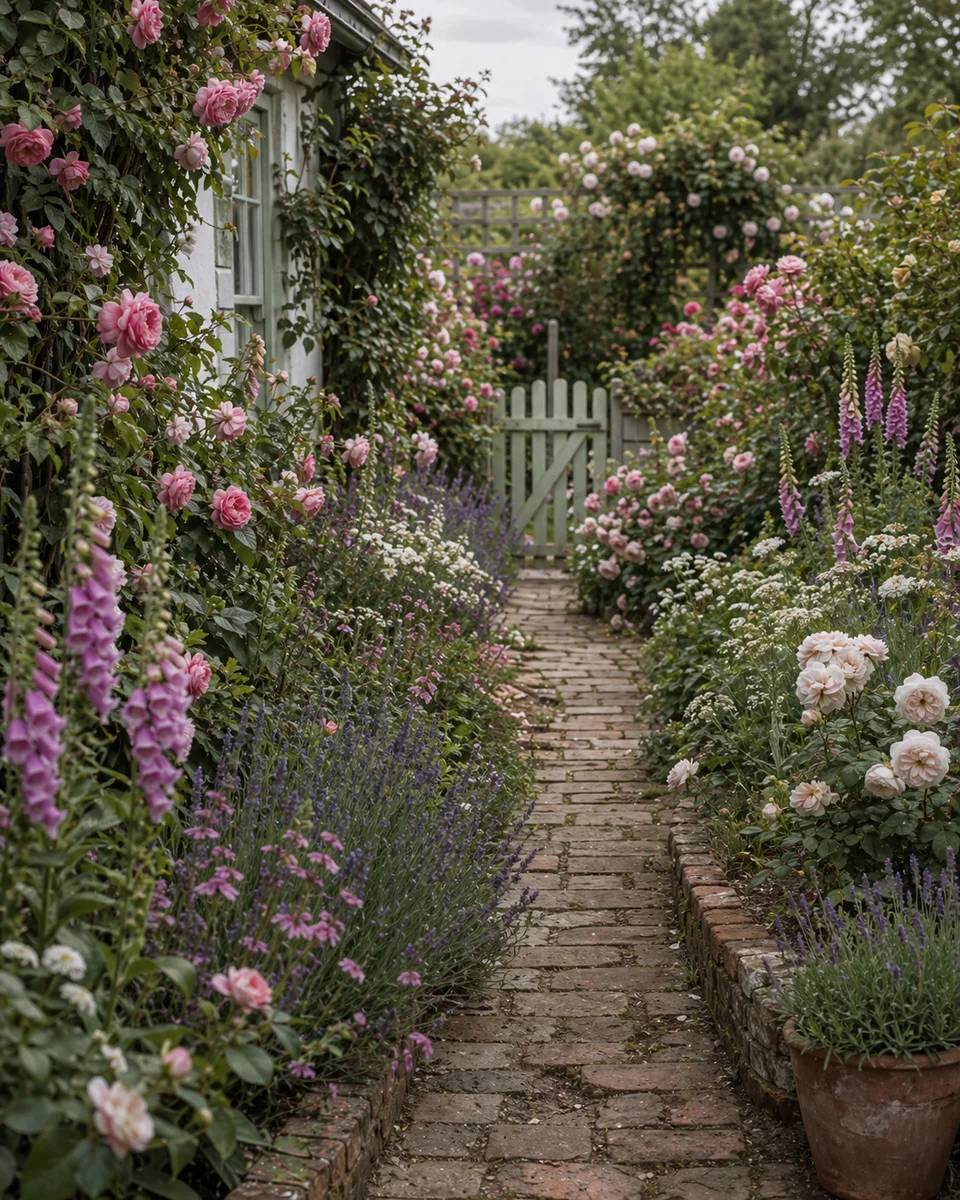
If you want the desert look, commit to the aesthetic: warm-toned DG, natural boulders, cacti, agaves, and sculptural succulents. If your primary goal is water conservation, apply xeriscape principles to any style you love — a xeriscape cottage garden uses drought-tolerant alternatives (catmint instead of delphinium, Perovskia instead of English lavender) to achieve the same look with 70% less water. Many homeowners start with xeriscaping principles and discover they love the desert aesthetic along the way. Others apply xeriscape methods to keep their preferred style sustainable. The seven xeriscape principles work as a framework overlaid on any design vision.
Try It with AI
Arden helps you visualize both approaches. See your yard as a dramatic desert landscape with cacti and boulders, or as a lush-looking xeriscape that simply uses less water — compare the aesthetics and decide which resonates.
“I showed my landscaper the preview and we agreed on a plan in one meeting instead of three.”
Frequently Asked Questions
01 Is xeriscaping just rocks and gravel?
No — that is a common misconception. Xeriscaping is a seven-principle water conservation methodology that can produce lush, colorful gardens. It includes soil improvement, efficient irrigation, and appropriate plant selection — not just replacing lawn with gravel.
02 Can I xeriscape in a wet climate?
Yes. Xeriscape principles (soil improvement, smart irrigation, right-plant-right-place) apply everywhere. In wet climates, the focus shifts to reducing supplemental irrigation and choosing plants that handle both wet and dry extremes.
03 Which style is better for resale value?
Both can increase property values in water-scarce regions. Xeriscaping is generally more universally appealing because it can suit any aesthetic taste. Desert gardens appeal to buyers who love the specific aesthetic. Design quality matters more than style choice.