Arden
Grow an Edible Garden That Looks Amazing
Combine beauty and productivity — design a food garden with raised beds, companion planting, and ornamental edibles.
Why It Works
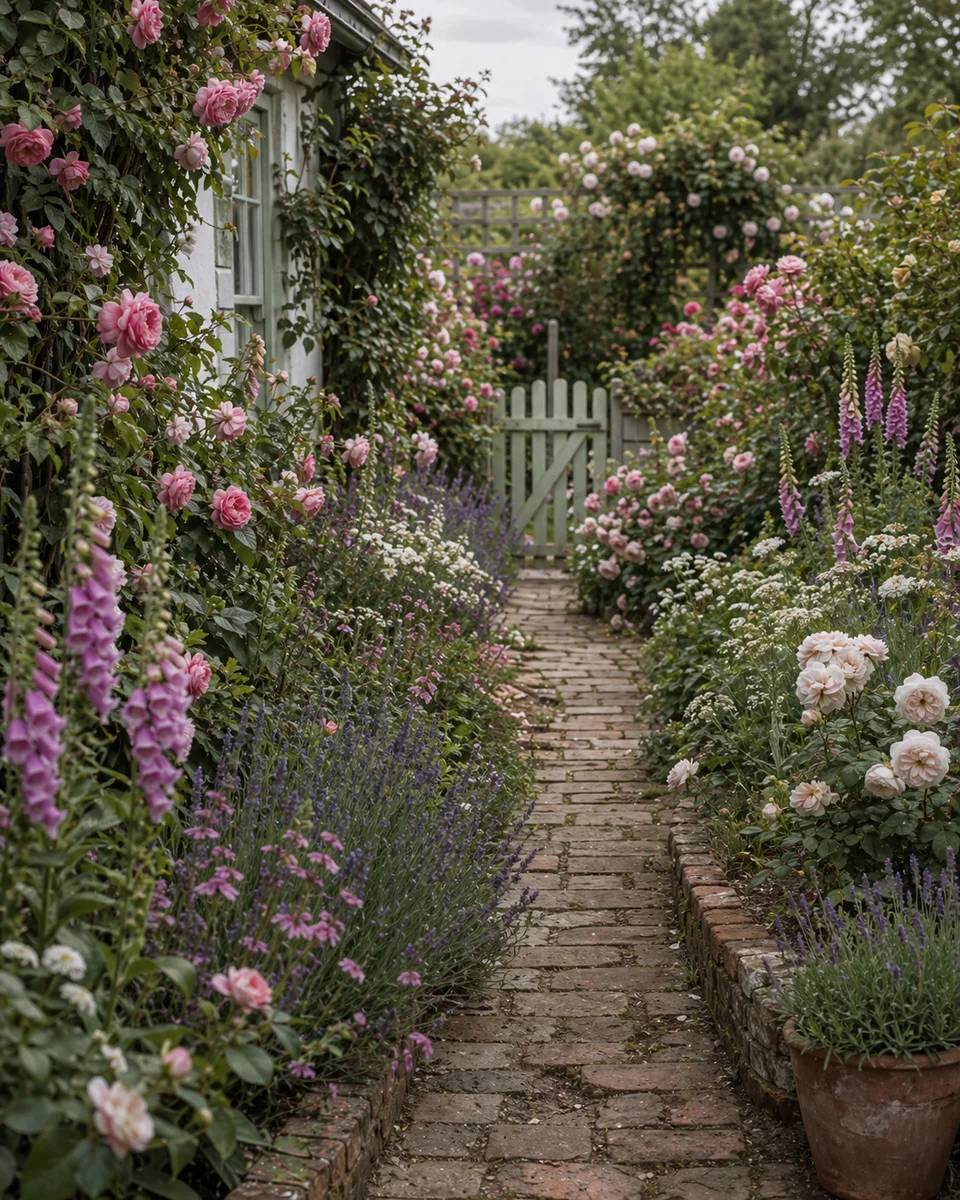
The potager — the French ornamental kitchen garden — has been the gold standard for combining productivity and beauty since the gardens of Villandry in the 16th century. Edible gardens work because they satisfy both practical and aesthetic desires: the deep satisfaction of harvesting your own food combined with the visual pleasure of abundant, well-designed plantings. Modern edible garden design has evolved beyond hidden backyard vegetable patches into front-yard food forests, ornamental raised beds, and integrated edible landscapes where red-veined chard, purple basil, and flowering kale sit alongside roses and ornamental grasses. Growing food is also the most tangible connection to sustainability — reducing food miles, packaging waste, and chemical inputs while teaching seasonal awareness.
Best for
- gardens where paths, beds, and a maintenance rhythm you will keep are the real constraints
- people committing to sun hours, soil, succession, and harvest access
- people who will water through establishment season
Skip if
- you will not check sun hours, wind, and the soil under the actual beds before buying plants
- you want a display garden you will never pick from
Common mistakes
For a edible garden, the usual miss is ornamental beds that cannot be harvested without wrecking the design. People also ignore sun hours, wind, and the soil under the actual beds and end up with a plant collection with no path, water plan, or winter structure. Names like basil, thyme, parsley only work when massed with intent — not one of each from the nursery cart.
Plan this first
Fix circulation and one viewing angle before the plant list. Put harvest paths next to the kitchen route, then mix herbs with food crops. Preview that massing in Arden from the main viewing angle before you buy basil, thyme, parsley.
How to Achieve This Look
Build raised beds (12–18 inches tall) from cedar or galvanized steel for clean aesthetics and improved drainage. Arrange beds in a geometric layout — a central herb spiral or four-square design creates visual order. Use companion planting: tomatoes with basil, beans with corn and squash (Three Sisters), marigolds with vegetables for pest control. Include ornamental edibles: rainbow chard, purple kale, red lettuce, and nasturtiums for dual beauty and harvest. Add fruit trees (espalier against walls for small spaces), berry bushes, and climbing beans or cucumbers on decorative trellises. Edge paths with herbs (thyme, chives, parsley). Install drip irrigation and mulch beds with straw or compost. Plan for succession planting — sow quick crops (radishes, lettuce) between slow growers (tomatoes, peppers) for continuous harvest.
Try It with AI
Arden helps you plan the layout of raised beds, trellises, and fruit trees in your actual space. See how a potager-style kitchen garden or an edible front yard would look before building a single raised bed.
“I kept scrolling Pinterest for inspiration. This finally let me see something on my actual yard.”
Frequently Asked Questions
01 How much space do I need for an edible garden?
A single 4×8-foot raised bed can produce a surprising amount of food — enough salads, herbs, and some vegetables for a family of two. Even balcony containers grow herbs, tomatoes, and peppers successfully.
02 What are the easiest vegetables to grow for beginners?
Start with lettuce, radishes, herbs (basil, cilantro, parsley), cherry tomatoes, zucchini, and beans. These are forgiving, fast-growing, and rewarding. Add complexity (brassicas, root vegetables) as your confidence grows.
03 Can I have an edible front yard?
Yes — many cities now allow or encourage front-yard food gardens. Use ornamental edibles (artichokes, rainbow chard, fig trees) and formal design elements (raised beds, paths, arbors) to keep it attractive. Check local ordinances first.
04 How do I extend the growing season?
Use cold frames, row covers, or a small greenhouse for early starts and late harvests. Choose cold-hardy crops (kale, spinach, carrots) for shoulder seasons. In mild climates, grow year-round with succession planting and winter varieties.