Arden
Formal Elegance in a Narrow Side Yard
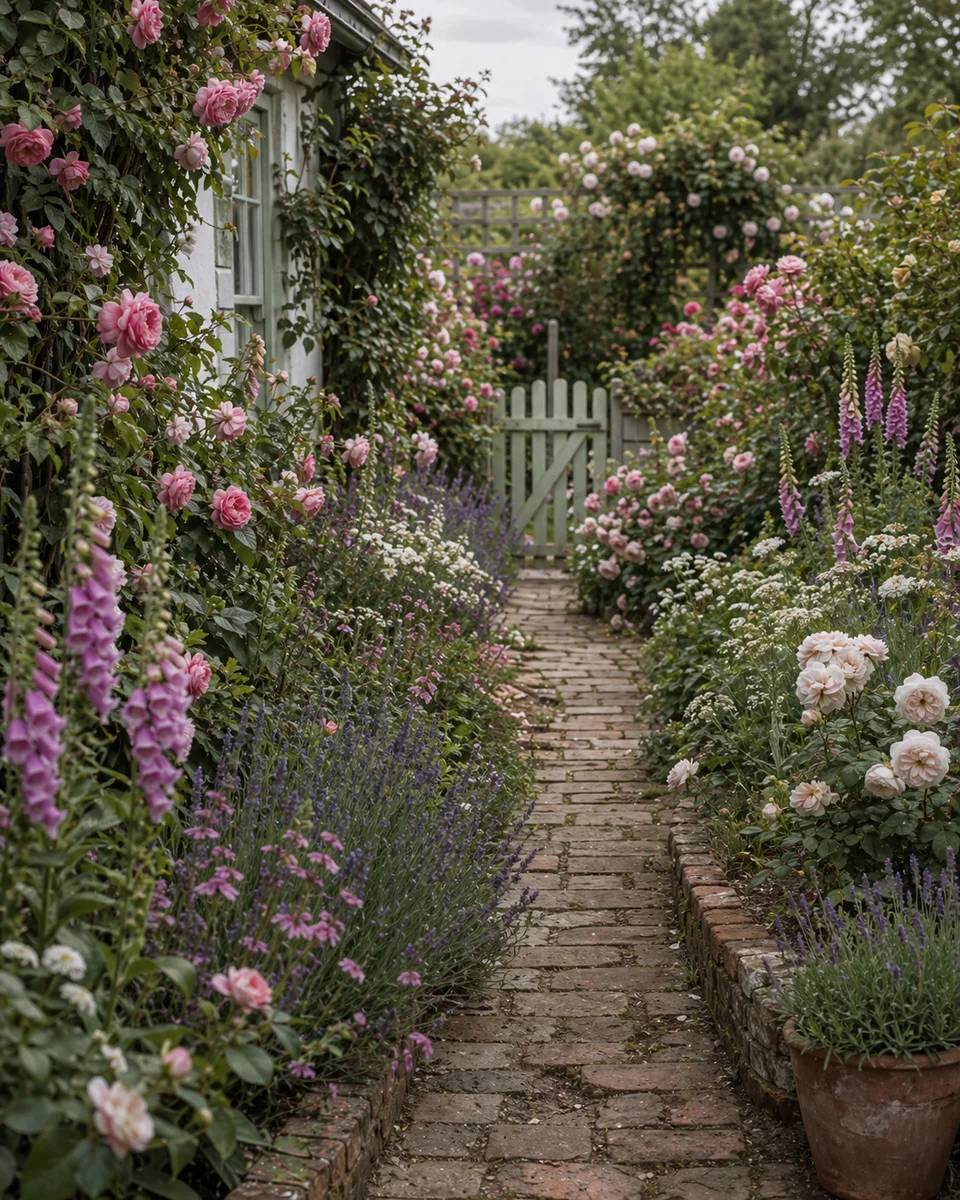
The linear proportions of a side yard are practically begging for formal treatment — a central axis, clipped hedges, and symmetrical plantings create a grand corridor.
Why It Works
Side yards are naturally long and narrow — the exact proportions of a formal garden axis. The parallel walls provide built-in symmetry lines, and the narrowness forces restraint, which is the core principle of formal gardening. The controlled geometry makes the space feel wider by drawing the eye along the central axis toward a focal point.
Best for
- side yards where service path width and vertical planting are the real constraints
- people committing to matched pairs, clipped evergreen, a clear axis
- people who will water through establishment season
Skip if
- you will not check narrow light corridors and privacy from neighbors before buying plants
- you will not clip on a schedule and still want a sharp hedge line
Common mistakes
For a formal side yard, the usual miss is one lonely topiary and a scatter of unmatched pots that break the symmetry. People also ignore narrow light corridors and privacy from neighbors and end up with planting that turns the side into an unwalkable jungle. Names like gravel, boxwood, tree only work when massed with intent — not one of each from the nursery cart.
Plan this first
Keep a clear service path, then use walls and fences as the planting surface. Match pairs of pots and lock the center axis before you add seasonal color. Preview that massing in Arden from the main viewing angle before you buy gravel, boxwood, tree.
How to Achieve This Look
Lay a central path of flagstone, brick, or gravel. Flank the path with low clipped boxwood hedges at 12–18 inches high. Behind the hedges, plant matching rows of repeat bloomers. Place a focal point at the far end: an urn, a small fountain, or an espalier fruit tree. Add symmetrical path lights.
Try It with AI
Arden takes a photo of your side yard and renders it with formal hedges, symmetrical beds, and a central axis so you can see the transformation.
“I kept scrolling Pinterest for inspiration. This finally let me see something on my actual yard.”
Frequently Asked Questions
01 How wide does a side yard need to be for a formal garden?
A minimum of 5 feet allows a central path with narrow hedge borders. Eight feet or more allows full planting beds behind the hedges.
02 How often do formal hedges need trimming?
Boxwood and privet need trimming 2-3 times per year — late spring, midsummer, and early autumn.
03 What alternatives to boxwood work for formal hedges?
Japanese holly, yaupon holly, or dwarf Korean boxwood resist blight better. Lavender hedges offer a fragrant alternative.