Arden
A Garden That Comes Alive After Dark
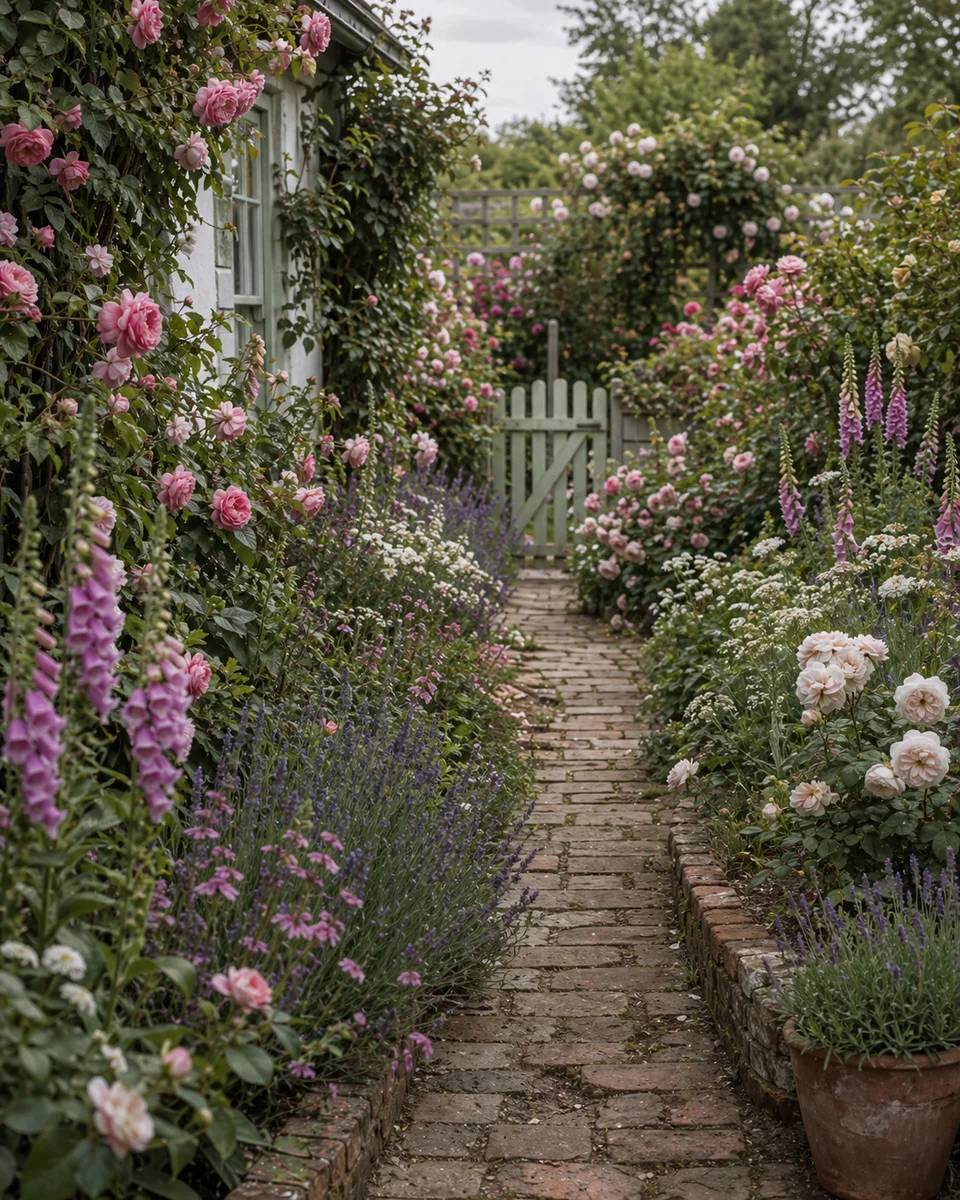
White blooms, silvery foliage, and night-fragrant plants create a moon garden that glows in twilight and fills the evening air with perfume.
Why It Works
Most gardens are designed for daytime enjoyment, but a moon garden flips the script — it peaks at dusk and moonlight. White and pale-colored flowers reflect available light, appearing to glow in twilight and moonlight. Silvery foliage (artemisia, lamb's ear, Stachys) catches every photon. Night-fragrant plants (jasmine, nicotiana, moonflower, angel's trumpet) release their strongest scent after sunset, when pollinators like hawk moths become active. A moon garden transforms summer evenings from "too dark to enjoy" into the most magical hours in the garden.
Best for
- gardens where paths, beds, and a maintenance rhythm you will keep are the real constraints
- people committing to a short plant list with structure + seasonal interest
- renters or owners who can change containers more easily than built-in beds
Skip if
- you will not check sun hours, wind, and the soil under the actual beds before buying plants
- you want zero establishment care in year one
Common mistakes
For a mixed-style garden, the usual miss is collecting plants with no massing plan. People also ignore sun hours, wind, and the soil under the actual beds and end up with a plant collection with no path, water plan, or winter structure. Names like gravel only work when massed with intent — not one of each from the nursery cart.
Plan this first
Fix circulation and one viewing angle before the plant list. Cut the list to structure plus one seasonal block, then preview from the house. Preview that massing in Arden from the main viewing angle before you buy gravel.
How to Achieve This Look
Choose a seating area visible from inside the house so you can enjoy the garden through windows on cool evenings. Plant a backbone of white-flowering species: white roses, gardenias, white hydrangeas, white agapanthus, and white Japanese anemones. Add silvery foliage: artemisia, lamb's ear, dusty miller, and Senecio cineraria. Include night-fragrant plants near seating: night-blooming jasmine, nicotiana sylvestris, moonflower (Ipomoea alba), evening primrose, and four o'clocks (Mirabilis jalapa). Use white gravel or pale-colored paving to reflect light. Add subtle warm-toned lighting — a few low-voltage uplights through white flowers create ethereal effects.
Try It with AI
Arden helps you visualize how a moon garden will transform your outdoor space. Preview white plantings, silvery foliage, and evening lighting in your actual garden before creating your twilight paradise.
“I showed my landscaper the preview and we agreed on a plan in one meeting instead of three.”
Frequently Asked Questions
01 What is a moon garden?
A garden designed to be enjoyed in the evening and at night, featuring white and pale flowers that glow in moonlight, silvery foliage that reflects light, and night-fragrant plants that release perfume after sunset.
02 Do moon gardens work during the day?
Yes — a well-designed moon garden looks like an elegant white garden during the day (think Vita Sackville-West's famous White Garden at Sissinghurst). The moonlight magic is a bonus feature, not the only attraction.
03 What plants smell best at night?
Night-blooming jasmine (Cestrum nocturnum), Nicotiana sylvestris, moonflower (Ipomoea alba), evening primrose, four o'clocks (Mirabilis jalapa), and angel's trumpet (Brugmansia). Plant these within 10 feet of seating for maximum fragrance.
04 How do I light a moon garden?
Use warm-toned, low-voltage LED uplights positioned to illuminate white flowers from below. Avoid bright overhead lights — they kill the moonlight atmosphere. Solar path lights provide subtle wayfinding. Less is more with moon garden lighting.