Arden
Capture Rainwater and Grow Beauty
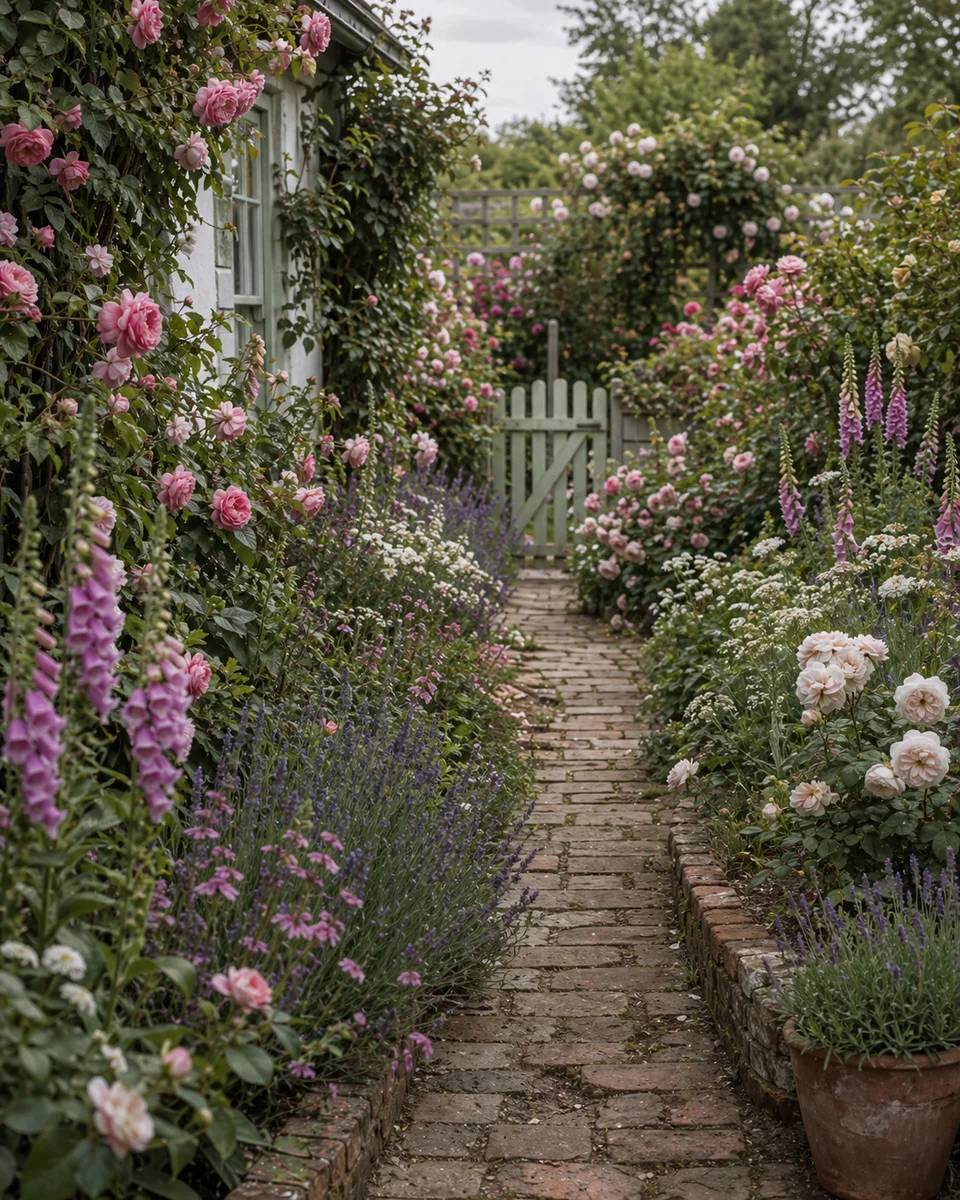
A rain garden turns roof and driveway runoff into a thriving ecosystem — filtering pollutants, supporting native pollinators, and looking gorgeous from spring through fall.
Why It Works
Rain gardens are shallow depressions planted with native species that capture, filter, and infiltrate stormwater runoff from roofs, driveways, and patios. A single rain garden can absorb 30% more water than a conventional lawn, reducing flooding, erosion, and pollutant load on local waterways. They also create biodiverse habitat patches that support native bees, butterflies, and birds. Municipalities across North America now encourage residential rain gardens with rebate programs — you may get paid to install one.
Best for
- gardens where paths, beds, and a maintenance rhythm you will keep are the real constraints
- people committing to a shallow basin, wet-tolerant plugs, and an overflow path
- people who will water through establishment season
Skip if
- you will not check sun hours, wind, and the soil under the actual beds before buying plants
- you cannot grade an overflow away from the house
Common mistakes
For a rain garden, the usual miss is a soggy hole with no overflow that drowns plants and the foundation. People also ignore sun hours, wind, and the soil under the actual beds and end up with a plant collection with no path, water plan, or winter structure. Names like native only work when massed with intent — not one of each from the nursery cart.
Plan this first
Fix circulation and one viewing angle before the plant list. Set inlet, basin depth, and overflow first — plants come after the water has a job. Preview that massing in Arden from the main viewing angle before you buy native.
How to Achieve This Look
Site the garden 10+ feet from your foundation in a naturally low area that receives downspout or surface runoff. Perform a percolation test: dig a 12-inch hole, fill with water, and time drainage. If it drains within 24 hours, your soil works. Excavate a shallow bowl (6–12 inches deep) sized at 20–30% of the impervious area draining into it. Amend soil with a 60/20/20 mix of sand, compost, and topsoil. Plant in three moisture zones: wet center (blue flag iris, cardinal flower, sedges), moist slope (bee balm, Joe Pye weed, swamp milkweed), and dry rim (black-eyed Susan, echinacea, little bluestem). Direct downspout water via buried pipe or surface channel with decorative river rock at the inlet.
Try It with AI
Arden lets you preview how a rain garden will look in your yard — from the lush midsummer bloom to the golden winter seedheads. Test different shapes, sizes, and planting palettes before excavating.
“I kept scrolling Pinterest for inspiration. This finally let me see something on my actual yard.”
Frequently Asked Questions
01 Does a rain garden attract mosquitoes?
No. A properly built rain garden drains within 24–48 hours — too fast for mosquito larvae, which need 7–10 days of standing water. If water persists longer, add more sand to the soil mix.
02 How big should a rain garden be?
Size it at 20–30% of the impervious surface draining into it. For a typical residential roof, that means roughly 100–200 square feet — about a 10x15-foot oval.
03 Can I build a rain garden in clay soil?
Yes, but excavate deeper (18–24 inches) and replace clay with a sandy amended mix. Include an overflow outlet for extreme rain events.
04 What plants work best in a rain garden?
Native perennials adapted to alternating wet and dry conditions: black-eyed Susan, echinacea, switchgrass, blue flag iris, cardinal flower, Joe Pye weed, and sedges. Choose species native to your region for best results.