Arden
Create a Sun-Drenched Mediterranean Garden
Bring the warmth of the Mediterranean coast to your garden with drought-tolerant plants, rustic materials, and effortless elegance.
Low
full-sun
Low
Why It Works
Mediterranean gardens reflect millennia of cultivation along the coasts of Southern Europe, North Africa, and the Levant — regions defined by hot, dry summers and mild, wet winters. This climate forced gardeners to develop an aesthetic built around drought tolerance: silver-leaved plants that reflect sunlight, aromatic herbs whose oils reduce water loss, and deep-rooted trees that survive months without rain. The result is a style that feels relaxed, sun-warmed, and effortlessly beautiful — terracotta pots overflowing with pelargoniums, gravel courtyards shaded by ancient olive trees, and the hum of bees in lavender hedges. It is one of the most sustainable garden styles for water-scarce regions, and it is increasingly relevant as climates warm globally.
Best for
- gardens where paths, beds, and a maintenance rhythm you will keep are the real constraints
- people committing to silver foliage, herbs, heat-loving shrubs
- people who will water through establishment season
Skip if
- you will not check sun hours, wind, and the soil under the actual beds before buying plants
- you have a deep-shade site and still want olive-tree fantasies
Common mistakes
For a Mediterranean garden, the usual miss is lawn plus tropicals that fight the dry aesthetic. People also ignore sun hours, wind, and the soil under the actual beds and end up with a plant collection with no path, water plan, or winter structure. Names like gravel, olive, lavender only work when massed with intent — not one of each from the nursery cart.
Plan this first
Fix circulation and one viewing angle before the plant list. Drop the lawn idea, then plant a short heat-and-drainage list. Preview that massing in Arden from the main viewing angle before you buy gravel, olive, lavender.
How to Create This Garden
- 01
Design around a central courtyard or gathering space — Mediterranean gardens are social, not just ornamental.
- 02
Use local stone, terracotta, and timber as the dominant hard materials for authenticity and heat resilience.
- 03
Plant an anchor tree — olive, fig, or pomegranate — and underplant with aromatic herbs.
- 04
Install a pergola for shade and train grape vine or jasmine along the rafters for seasonal canopy.
- 05
Set up a drip-irrigation system on a timer, watering deeply but infrequently to mimic natural rainfall patterns.
Planting & layout notes
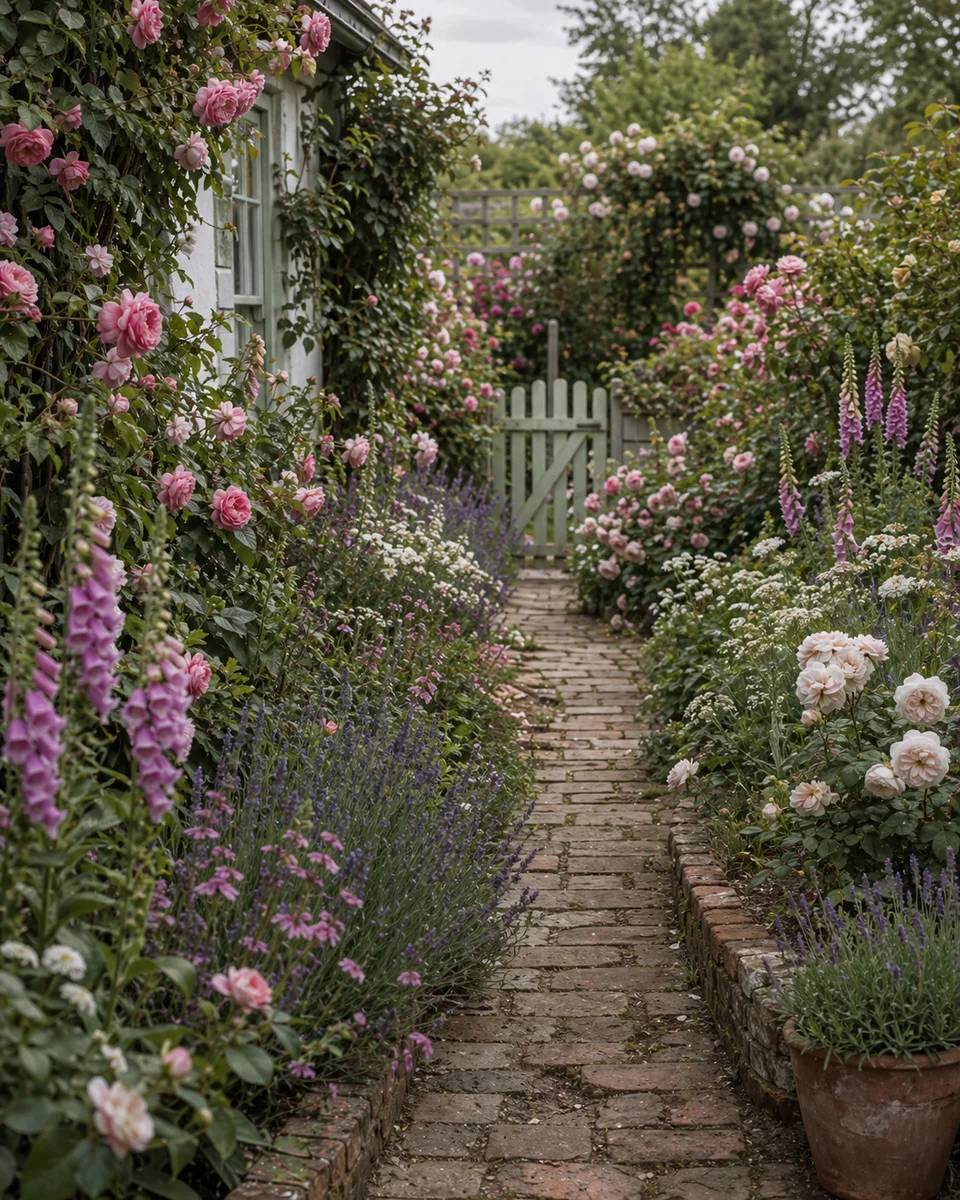
Structure the space with gravel or natural stone paving — avoid dark materials that absorb heat. Plant drought-tolerant staples: lavender, rosemary, santolina, and cistus for fragrant, silver-toned beds. Use olive trees, Italian cypress, and grape vines for height and character. Terracotta pots in various sizes add warmth and flexibility — fill them with pelargoniums, agapanthus, or trailing verbena. Build raised beds with dry-stacked stone walls. Add a simple water feature like a wall-mounted lion's head fountain. Color accents come from bougainvillea (in warm zones), blue ceramic pots, and the purple haze of lavender. Keep irrigation to drip systems and water deeply but infrequently to encourage deep root growth.
Try It with AI
Arden lets you preview how olive trees, gravel pathways, and terracotta pots will transform your yard into a Mediterranean retreat. See exactly how lavender borders and a stone fountain will look against your home before making any changes.
“I kept scrolling Pinterest for inspiration. This finally let me see something on my actual yard.”
Frequently Asked Questions
01 What climate zones suit a Mediterranean garden?
USDA zones 8–11 are ideal, with hot summers and mild winters. In colder zones, substitute hardy alternatives: Elaeagnus for olive trees, Perovskia for lavender, and use frost-resistant terracotta. The design principles work in any sunny, well-drained location.
02 How much water does a Mediterranean garden need?
Once established (after the first year), most Mediterranean plants need watering only every 1–2 weeks in summer. Many — lavender, rosemary, santolina — are fully drought-tolerant and resent overwatering. Group plants by water needs.
03 Can I grow a Mediterranean garden in partial shade?
Most Mediterranean plants demand full sun (6+ hours). In partial shade, use shade-tolerant alternatives like acanthus, hellebores, and Trachelospermum jasminoides (star jasmine). Focus on the material palette — stone, gravel, terracotta — to maintain the Mediterranean feel.
04 What is the best ground cover for a Mediterranean garden?
Creeping thyme, Erigeron karvinskianus (Mexican daisy), and Frankenia laevis are excellent drought-tolerant ground covers that soften paths and fill gaps between pavers. Gravel mulch also works as both ground cover and aesthetic element.