Arden
A Productive Permaculture Front Yard
Replace your lawn with a layered food forest that feeds your family, supports wildlife, and looks better than turf.
Why It Works
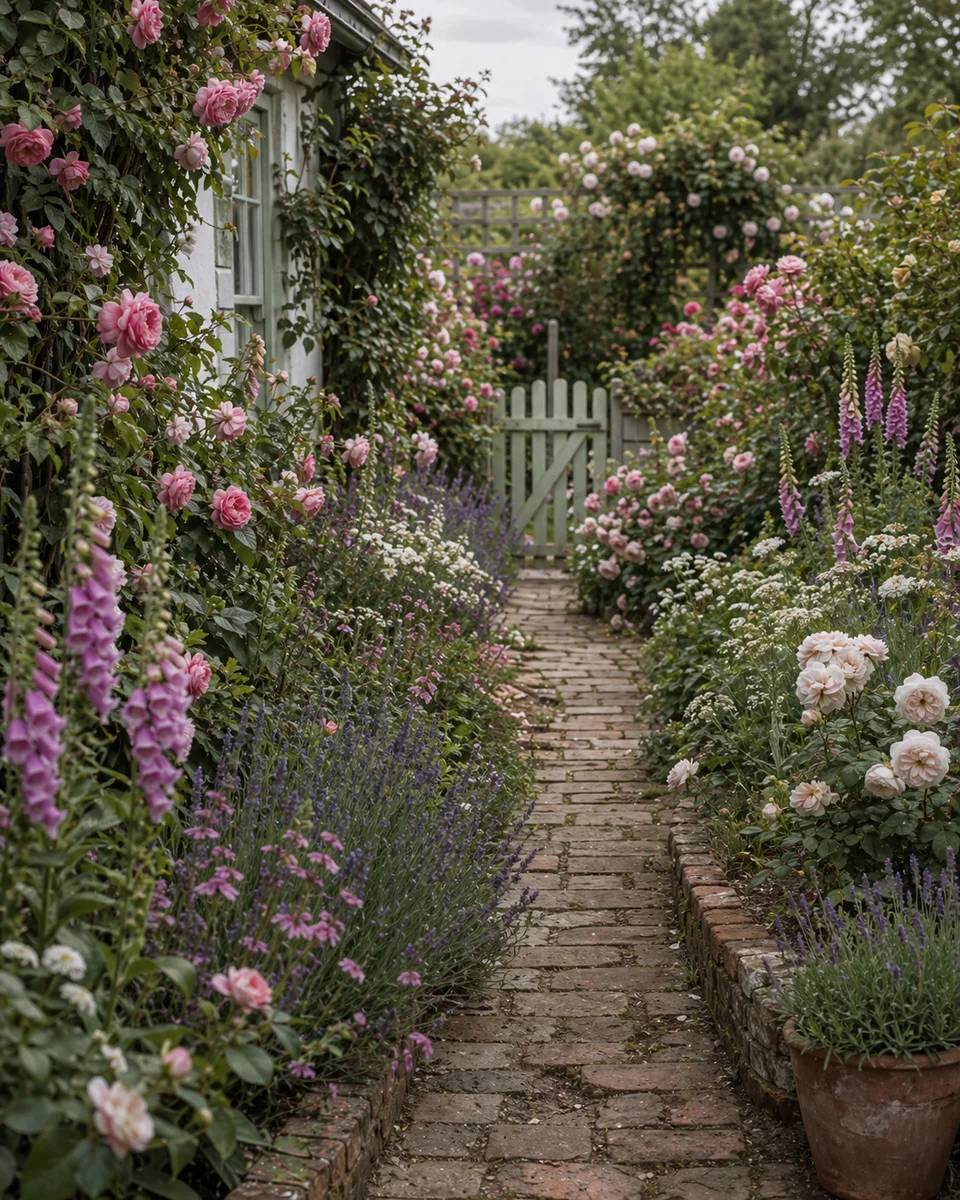
Front-yard permaculture challenges the convention that front yards must be decorative monocultures. A well-designed permaculture front yard combines ornamental fruit trees, beautiful edible groundcovers, and productive shrubs into a landscape that is both functional and gorgeous. Dwarf fruit trees have spring blossoms as beautiful as any ornamental. Berry bushes provide fall color. Herb groundcovers release fragrance when walked past. The result looks like a designed landscape while producing hundreds of pounds of food annually.
Best for
- front yards where entry path, foundation planting, and low maintenance from the street are the real constraints
- people committing to stacked yields, water capture, and perennial food layers
- people who will water through establishment season
Skip if
- you will not check curb view and sidewalk heat before buying plants
- you want a decorative garden you will never harvest or mulch
Common mistakes
For a permaculture front yard, the usual miss is a slogan bed of random edibles with no water, access, or guild logic. People also ignore curb view and sidewalk heat and end up with tall screening that blocks windows and the front door. Names like thyme, oregano, lavender only work when massed with intent — not one of each from the nursery cart.
Plan this first
Lock the walk to the door and the height at the windows before any statement plant. Catch water and walk the harvest path, then stack canopy / shrub / ground. Preview that massing in Arden from the main viewing angle before you buy thyme, oregano, lavender.
How to Achieve This Look
Plant one or two semi-dwarf fruit trees (apple, pear, cherry, plum) as focal points — their spring blossoms provide outstanding curb appeal. Underplant with berry bushes (blueberry for fall color, currant, gooseberry) in formal groupings. Use edible groundcovers (strawberries, creeping thyme, oregano) between stepping stones. Edge with ornamental herbs (lavender, rosemary, sage) for year-round structure. Add a few native pollinator plants (echinacea, black-eyed Susan) for ecological function and color. Keep paths clear and edges crisp to maintain neighborhood-friendly aesthetics.
Try It with AI
Arden shows how a permaculture front yard will look against your home facade. Preview fruit trees in bloom, berry bushes in fall color, and herb groundcovers to find the food forest design that maximizes both productivity and curb appeal.
“Redesigned the whole backyard before I bought a single plant. Saved me from a couple of bad calls.”
Frequently Asked Questions
01 Is a permaculture front yard legal?
In most areas, yes. Food gardens are increasingly protected by local ordinances. Use ornamental edibles, maintain tidy edges, and keep paths clear. Some HOAs may require pre-approval — submit a professional design to ease the process.
02 Will a permaculture front yard attract pests?
A diverse permaculture planting attracts beneficial predators that control pests naturally. Fallen fruit should be collected regularly. The pest pressure in a diverse food forest is typically lower than in a monoculture orchard.
03 How do I maintain a permaculture front yard?
Less than a traditional lawn — no mowing. Prune fruit trees annually, harvest regularly, mulch bare soil, and refresh edible groundcovers as needed. The first 2 years require more attention; established systems are low-maintenance.