Arden
A Pollinator Highway Through Your Side Yard
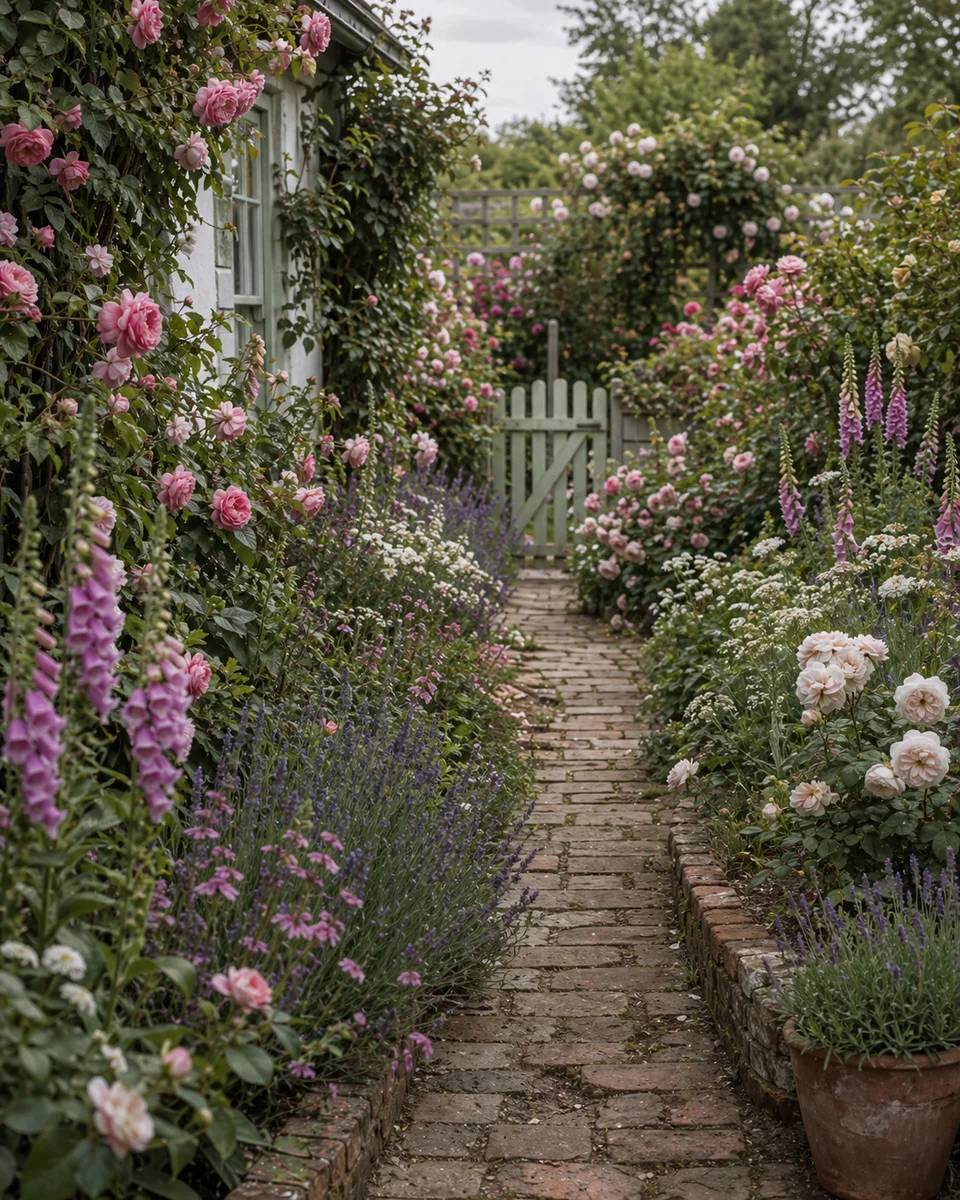
Native wildflowers in a side yard corridor create a pollinator highway connecting front and back gardens.
Why It Works
Pollinators need connected habitat to move safely through landscapes. A side yard pollinator corridor links your front garden, backyard, and neighboring properties. The linear shape naturally sequences bloom times as pollinators fly through. Side yards also provide undisturbed ground conditions that 70 percent of native bees need for nesting.
Best for
- side yards where service path width and vertical planting are the real constraints
- people committing to succession bloom, host plants, and pesticide-free structure
- renters or owners who can change containers more easily than built-in beds
Skip if
- you will not check narrow light corridors and privacy from neighbors before buying plants
- you spray broadly and will not leave some stems standing
Common mistakes
For a pollinator side yard, the usual miss is a May burst of annuals and a nectar desert from July to frost. People also ignore narrow light corridors and privacy from neighbors and end up with planting that turns the side into an unwalkable jungle. Names like native only work when massed with intent — not one of each from the nursery cart.
Plan this first
Keep a clear service path, then use walls and fences as the planting surface. Map bloom from spring to frost, then include at least one host plant — not only nectar. Preview that massing in Arden from the main viewing angle before you buy native.
How to Achieve This Look
Plant a succession of native wildflowers from front to back: early spring (columbine, phlox), early summer (wild bergamot, coneflower), midsummer (bee balm, liatris), and late season (aster, goldenrod). Leave patches of bare, south-facing soil for ground-nesting bees. Add native bunch grasses for overwintering habitat.
Try It with AI
Arden renders your side yard as a blooming pollinator corridor, showing the bloom succession from front to back.
“Redesigned the whole backyard before I bought a single plant. Saved me from a couple of bad calls.”
Frequently Asked Questions
01 Is a side yard too narrow for a pollinator garden?
Even a 2-foot-wide strip of native wildflowers provides meaningful pollinator forage.
02 Will ground-nesting bees in my side yard be a problem?
Ground-nesting native bees are solitary and extremely docile — they rarely sting even when handled.
03 How do I maintain a pollinator side yard?
Mow or cut back once in late winter. Leave all stems standing through winter. Do not use pesticides.