Arden
A Prairie Ribbon Through Your Side Yard
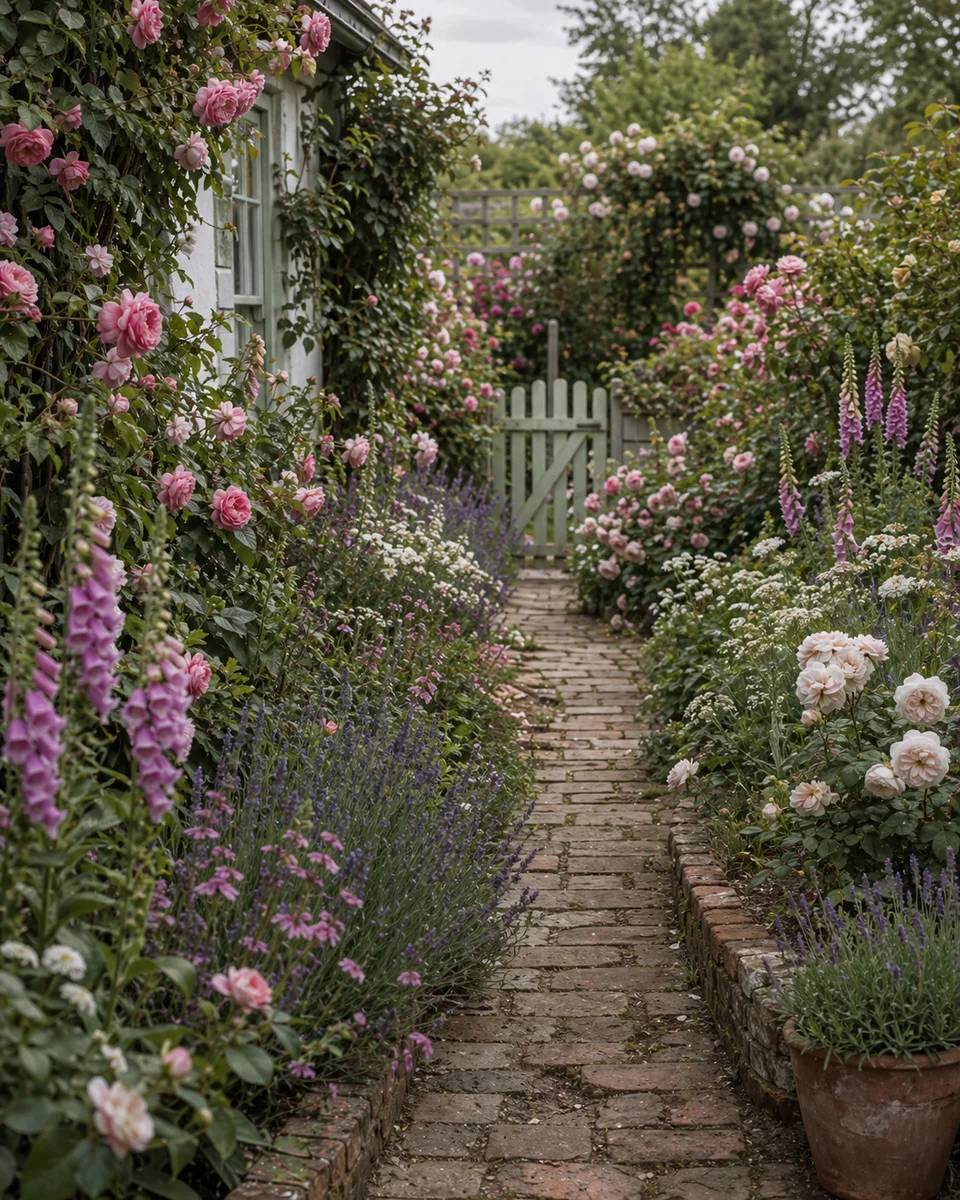
Native grasses and forbs thrive in the variable conditions of a side yard, transforming a forgotten strip into a swaying meadow corridor.
Why It Works
Side yards are linear spaces that mimic the natural transition zones between woodland and open prairie. The narrow proportions intensify the sensory experience — walking through waist-high grasses creates an immersive encounter with nature that wider spaces dilute. The deep roots of prairie grasses solve a common side-yard problem: poor drainage near foundations.
Best for
- side yards where service path width and vertical planting are the real constraints
- people committing to native grasses, late bloom, and winter standing stems
- renters or owners who can change containers more easily than built-in beds
Skip if
- you will not check narrow light corridors and privacy from neighbors before buying plants
- you need a short green carpet and will not leave stems up through winter
Common mistakes
For a prairie side yard, the usual miss is mowing it like a lawn in July and wondering where the structure went. People also ignore narrow light corridors and privacy from neighbors and end up with planting that turns the side into an unwalkable jungle. Names like grass only work when massed with intent — not one of each from the nursery cart.
Plan this first
Keep a clear service path, then use walls and fences as the planting surface. Mass grasses first, then drop in late perennials in blocks — not singles. Preview that massing in Arden from the main viewing angle before you buy grass.
How to Achieve This Look
Clear existing vegetation and rough up the soil surface. Broadcast a shade-tolerant prairie mix along the shadier wall (bottlebrush grass, wild rye, wild geranium) and a full-sun mix along the opposite side (little bluestem, prairie dropseed, butterfly milkweed). Create a narrow bark-chip or stepping-stone path down the center. Edge both sides with steel strips to keep the planting contained.
Try It with AI
Arden renders your side yard as a naturalistic prairie corridor. See how different grass heights and flower colors fill the narrow space from both the front-yard and backyard perspectives.
“I showed my landscaper the preview and we agreed on a plan in one meeting instead of three.”
Frequently Asked Questions
01 Will prairie plants spread into neighboring yards?
Most native prairie plants spread by seed rather than rhizomes. Steel edging and a path buffer keep the planting contained.
02 Can a prairie side yard handle foot traffic?
Not heavy traffic. Lay a dedicated path of stepping stones or bark chips through the center. Prairie plants recover slowly from trampling.
03 How tall will prairie grasses grow in a side yard?
Choose shorter species — prairie dropseed, sideoats grama, and little bluestem stay under 3 feet. Avoid big bluestem and switchgrass in narrow spaces.