Arden
Design a Backyard Garden for Healing and Wellbeing
Therapeutic gardens reduce stress, lower blood pressure, and improve mood — backed by decades of research into nature's healing power.
Why It Works
Research consistently shows that time in nature reduces cortisol (the stress hormone), lowers blood pressure, and improves mood and cognitive function. Therapeutic garden design intensifies these benefits by maximizing sensory engagement: fragrant plants near seating, textured foliage to touch, wind-responsive grasses for movement and sound, and water features for calming auditory stimulation. The act of gardening itself — physical activity, nurturing living things, seasonal connection — is a recognized form of horticultural therapy used in hospitals and rehabilitation centers worldwide.
Best for
- backyards where seating, paths, and a mow/edge plan are the real constraints
- people committing to scent, texture, accessible paths, and seating in shade
- people who will water through establishment season
Skip if
- you will not check how much of the day the main sitting area actually gets sun before buying plants
- the space cannot take a level path and a place to sit
Common mistakes
For a therapeutic backyard, the usual miss is pretty beds with no reachable plants, no seat, and no shade at noon. People also ignore how much of the day the main sitting area actually gets sun and end up with a floating patio with no planting edge or shade strategy. Names like lavender, rosemary, bamboo only work when massed with intent — not one of each from the nursery cart.
Plan this first
Size the sitting pad and one path from the house before the plant shopping trip. Build a level loop and a shaded seat, then put scent and texture at hand height. Preview that massing in Arden from the main viewing angle before you buy lavender, rosemary, bamboo.
How to Achieve This Look
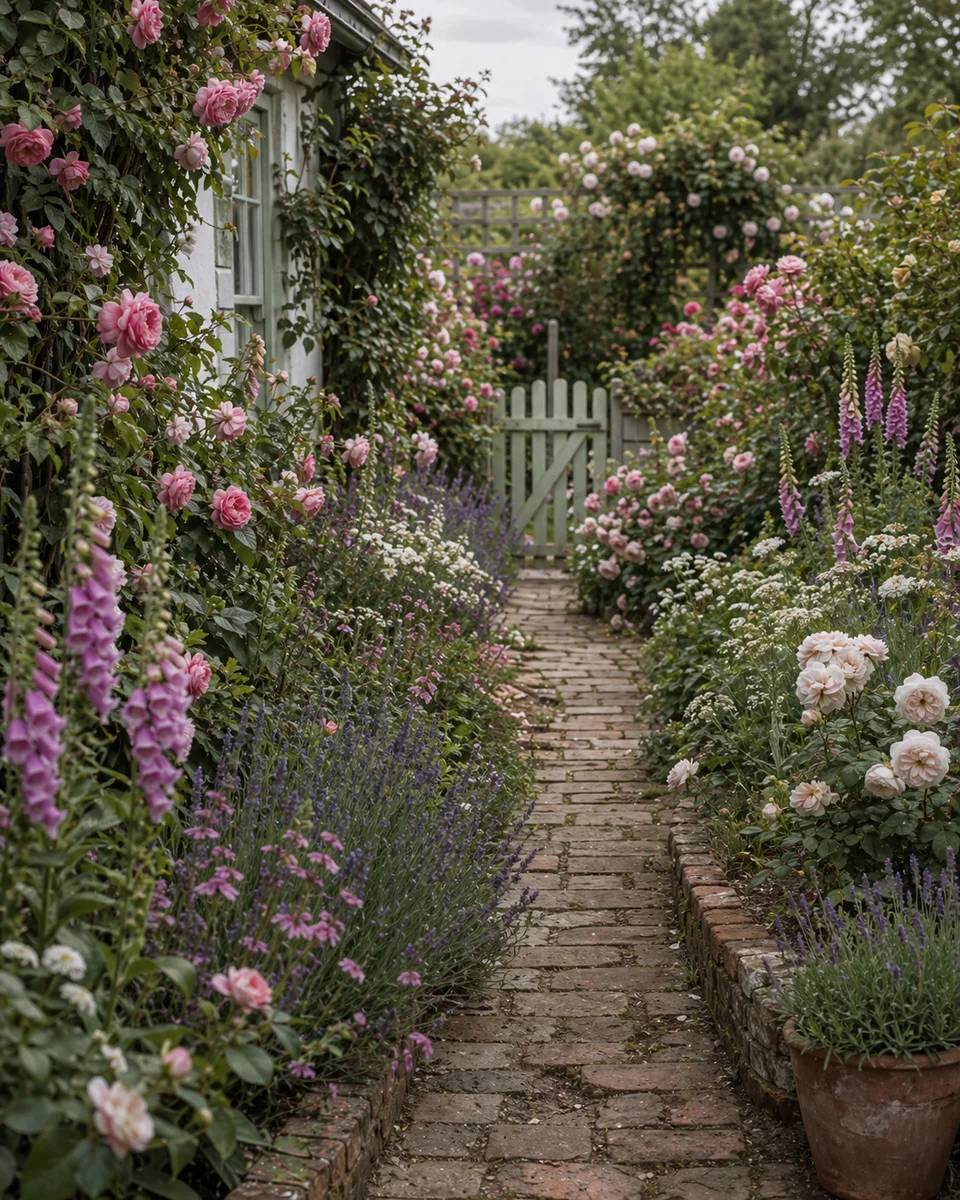
Design for all five senses. Scent: plant lavender, jasmine, rosemary, and mock orange near seating areas. Touch: include lamb's ear, ornamental grasses, and smooth river stones along paths. Sound: add a gentle water feature and wind-responsive plants (bamboo, grasses). Sight: create layered, naturalistic planting with seasonal color. Taste: include herbs and edibles for harvesting. Make paths smooth and wide (wheelchair-accessible where possible) with gentle curves — no dead ends. Include multiple seating options: a sunny bench, a shaded nook, and a contemplation spot near water. Use raised beds for accessible planting.
Try It with AI
Arden helps you design a backyard specifically for wellbeing. Preview how sensory planting zones, water features, and accessible paths create a therapeutic landscape in your specific space.
“I kept scrolling Pinterest for inspiration. This finally let me see something on my actual yard.”
Frequently Asked Questions
01 What makes a garden "therapeutic"?
Therapeutic gardens engage all senses, provide accessible paths and seating, include calming elements (water, naturalistic planting), and invite gentle interaction (touchable plants, harvestable herbs). The goal is reducing stress and encouraging time outdoors.
02 Do I need professional design for a therapeutic garden?
Not necessarily. The principles are straightforward: engage all senses, create comfortable seating, add water for sound, and plant fragrant species near where you sit. Arden helps you visualize these elements in your actual backyard.
03 Can a small backyard be therapeutic?
Absolutely. Even a small sensory nook — a bench surrounded by lavender, a tabletop water feature, and a few pots of herbs — provides measurable stress reduction. The intimacy of a small space can actually enhance the therapeutic effect.