Arden
Ditch the Lawn, Grow a Front Yard Meadow
A carefully designed wildflower front yard stands out on any street — more color, less water, zero mowing.
Why It Works
Front yard wildflower gardens challenge the suburban lawn monoculture and win — studies show that pollinator-friendly front gardens actually increase property values and neighbor approval when they look intentional. The key difference from a backyard meadow is legibility: a front yard meadow must clearly communicate "designed garden" rather than "forgotten lot." Crisp edges, mown borders, and a clear path to the door signal intentionality. Once those framework cues are in place, the wildflower planting itself does the heavy lifting — a mass of blooming coneflowers, black-eyed Susans, and native grasses provides more visual interest than any monoculture lawn. Front yards also tend to get full sun, which is exactly what most wildflower species demand.
Best for
- front yards where entry path, foundation planting, and low maintenance from the street are the real constraints
- people committing to meadow mixes, succession bloom, and a mown edge
- people who will water through establishment season
Skip if
- you will not check curb view and sidewalk heat before buying plants
- you want a formal parterre and will not accept a meadow look in August
Common mistakes
For a wildflower front yard, the usual miss is broadcasting seed with no edge, then watching weeds read as neglect from the house. People also ignore curb view and sidewalk heat and end up with tall screening that blocks windows and the front door. Names like native, grass only work when massed with intent — not one of each from the nursery cart.
Plan this first
Lock the walk to the door and the height at the windows before any statement plant. Mow a clean edge and paths first, then seed or plug in drifts. Preview that massing in Arden from the main viewing angle before you buy native, grass.
How to Achieve This Look
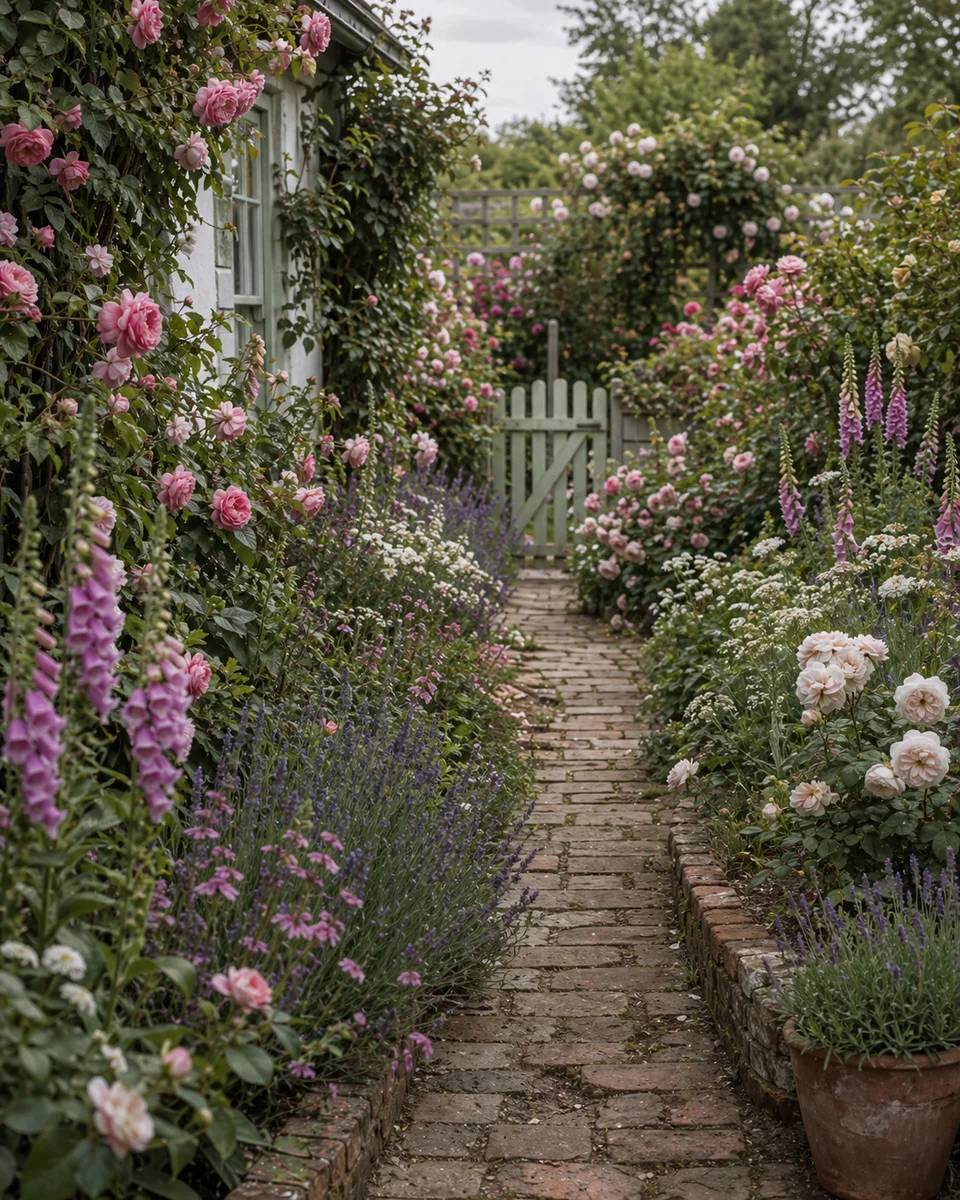
Frame the meadow with a 2-foot mown grass border along the sidewalk and property lines — this single detail separates "beautiful" from "neglected." Define a clear stone or stepping-stone path to the front door. Within the meadow zone, sow a mix weighted toward shorter species for front-yard scale: dwarf coreopsis (Coreopsis lanceolata), blanket flower (Gaillardia aristata), prairie dropseed (Sporobolus heterolepis), and butterfly weed (Asclepias tuberosa). Add clumps of little bluestem (Schizachyrium scoparium) for autumn bronze structure. Edge beds with natural stone or Corten steel for a contemporary finish. Place a mailbox surrounded by wildflowers as a focal anchor. Keep the total height under 30 inches to maintain sight lines from the house to the street.
Try It with AI
Use Arden to preview your front yard as a wildflower meadow — see the mown border framing a sea of blooms and check how it reads from the street before removing a single square foot of lawn.
“Redesigned the whole backyard before I bought a single plant. Saved me from a couple of bad calls.”
Frequently Asked Questions
01 Is a wildflower front yard legal?
Most municipalities allow it, though some HOAs have restrictions. Check local codes first. Many cities now actively encourage pollinator gardens and offer rebates for lawn conversion.
02 How do I keep a front yard meadow looking tidy?
Maintain a mown grass or gravel border, edge beds crisply, and deadhead spent blooms along the path. These small gestures make the difference between "wild garden" and "weedy yard" in a neighbor's eyes.
03 What is the best time to sow wildflower seed in a front yard?
Sow in early autumn or late spring depending on your climate. Autumn sowing gives seeds a natural cold stratification period and produces stronger first-year growth in most regions.