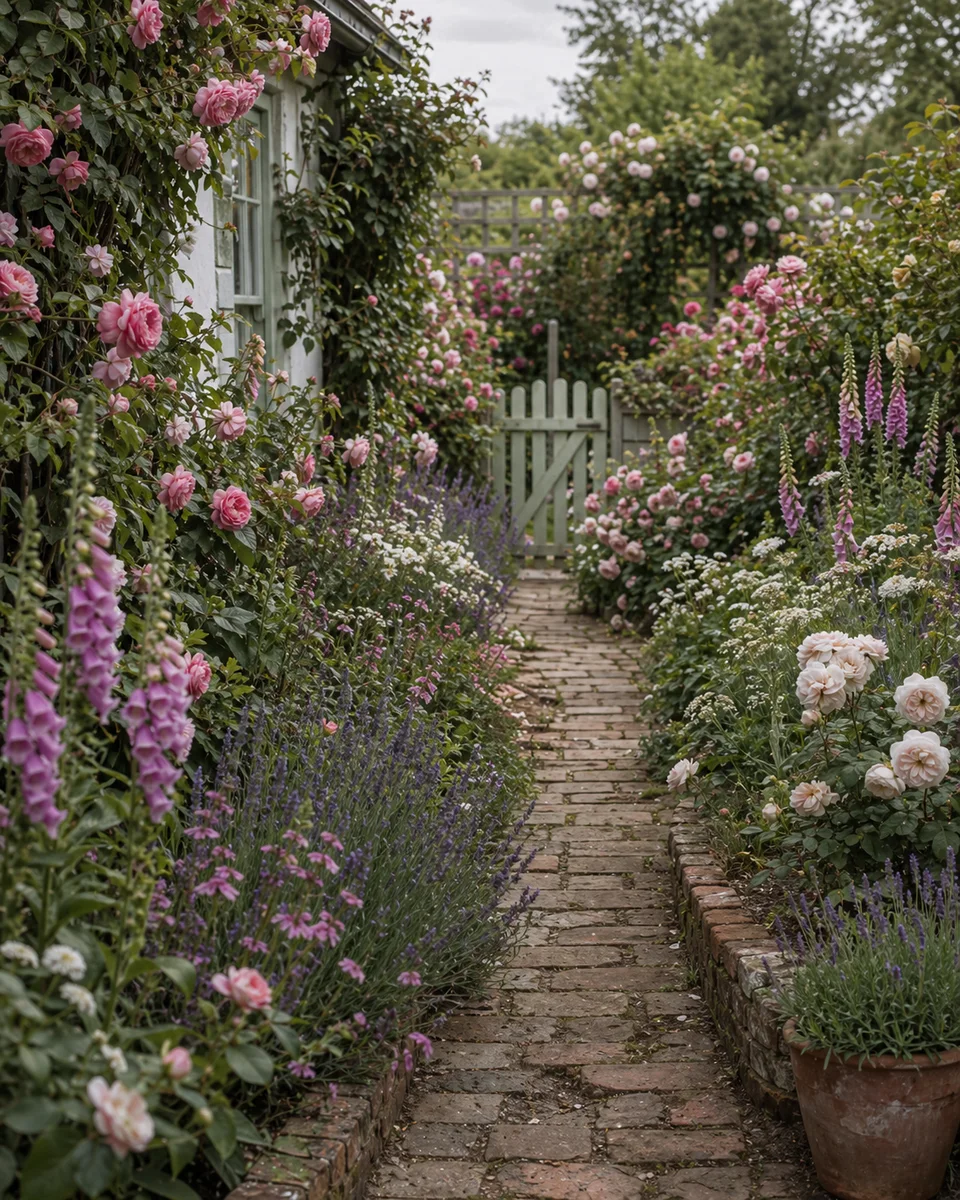
Growing Bee Balm in USDA Zone 6a
Monarda didyma
Yes. Bee Balm is rated for USDA zones 4–9 and zone 6a sits comfortably inside that range. Winter lows in zone 6a (−10°F to −5°F (−23.3°C to −20.6°C)) stay well within what bee balm can tolerate without special protection.
- Zone
- 6a
- Fit
- Hardy
- Low
- −10°F
- Sun
- Full sun to part shade
- Water
- Moderate
- Height
- 2–4 ft
- Bloom
- Summer
- Type
- Perennial
Is bee balm hardy in zone 6a?
Yes. Bee Balm is rated for USDA zones 4–9 and zone 6a sits comfortably inside that range. Winter lows in zone 6a (−10°F to −5°F (−23.3°C to −20.6°C)) stay well within what bee balm can tolerate without special protection.
Plant hardiness range: 4–9 · Zone 6a minimum: −10°F to −5°F (−23.3°C to −20.6°C)
When to plant bee balm in zone 6a
Plant bee balm in zone 6a in spring once the soil can be worked, or in early fall. Zone 6a timing: March through May. Whole Zone 6 last frost is typically mid-April, later in colder interior cells and earlier near cities. 6a is the colder half, so match tomato and pepper planting to your NOAA station rather than a neighbor’s 6b date. Cool-season crops can go in once the soil can be worked. Flowering trees still peak late March through April on the shared Zone 6 calendar. Site it in full sun to part shade and water on a moderate water schedule from day one.
How to care for bee balm in zone 6a's climate
Plant in rich, moist soil with good airflow. Thin stems in spring for mildew prevention. Divide every 2–3 years to maintain vigor. Deadhead for rebloom. Spreads by runners — divide to control. In zone 6a's summers, June through September. Warm and humid, with the same Japanese beetle and fungal pressure as the rest of Zone 6. Mulch 2–3 inches, water at the soil, and deadhead repeat bloomers. The half-zone difference is winter, not July. Through zone 6a winters (−10°F to −5°F (−23.3°C to −20.6°C)), November through February. This is when 6a separates from 6b. Lows near −10°F to −5°F are the published average extreme minimum, not a forecast for every night. Protect figs, camellias, and other marginally hardy shrubs already called out on the Zone 6 page. Prune dormant fruit in January–February.
Common challenges in zone 6a
Zone 6a growers planting bee balm should watch for two regional pressures: Winters that reach −10°F — Treat nursery “Zone 6” tags as a whole-band hint, then check the 2023 half-zone for your ZIP. In 6a, mulch after the ground freezes, wrap fig trunks or tip-bury young plants, and do not copy a 6b calendar onto a parcel whose map cell is the colder half. Marginal wood that dies to the ground — Crape myrtle and southern magnolia are already marginal on the whole Zone 6 page. In 6a they die back more often. Choose the hardy fig cultivars already named for Zone 6 — Chicago Hardy, Brown Turkey, or Celeste — and expect regrowth from the roots after a winter near the −10°F floor.
Alternative plants for zone 6a
05Other picks tested for zone 6a (−10°F to −5°F (−23.3°C to −20.6°C)).
Design ideas that fit bee balm
These idea pages link back to a zone page for bee balm.
Keep exploring
Frequently Asked Questions
01 Is bee balm hardy in USDA zone 6a?
Yes. Bee Balm is rated for zones 4–9, and zone 6a (−10°F to −5°F (−23.3°C to −20.6°C)) sits comfortably inside that range.
02 When should I plant bee balm in zone 6a?
March through May. Whole Zone 6 last frost is typically mid-April, later in colder interior cells and earlier near cities. 6a is the colder half, so match tomato and pepper planting to your NOAA station rather than a neighbor’s 6b date. Cool-season crops can go in once the soil can be worked. Flowering trees still peak late March through April on the shared Zone 6 calendar. Spring or fall planting both work — avoid setting transplants out during peak summer heat.
03 How much sun and water does bee balm need in zone 6a?
Bee Balm needs full sun to part shade and moderate water. In zone 6a's summer climate, water deeply and infrequently rather than shallow daily sips, and mulch 2–3 inches to keep roots cool.