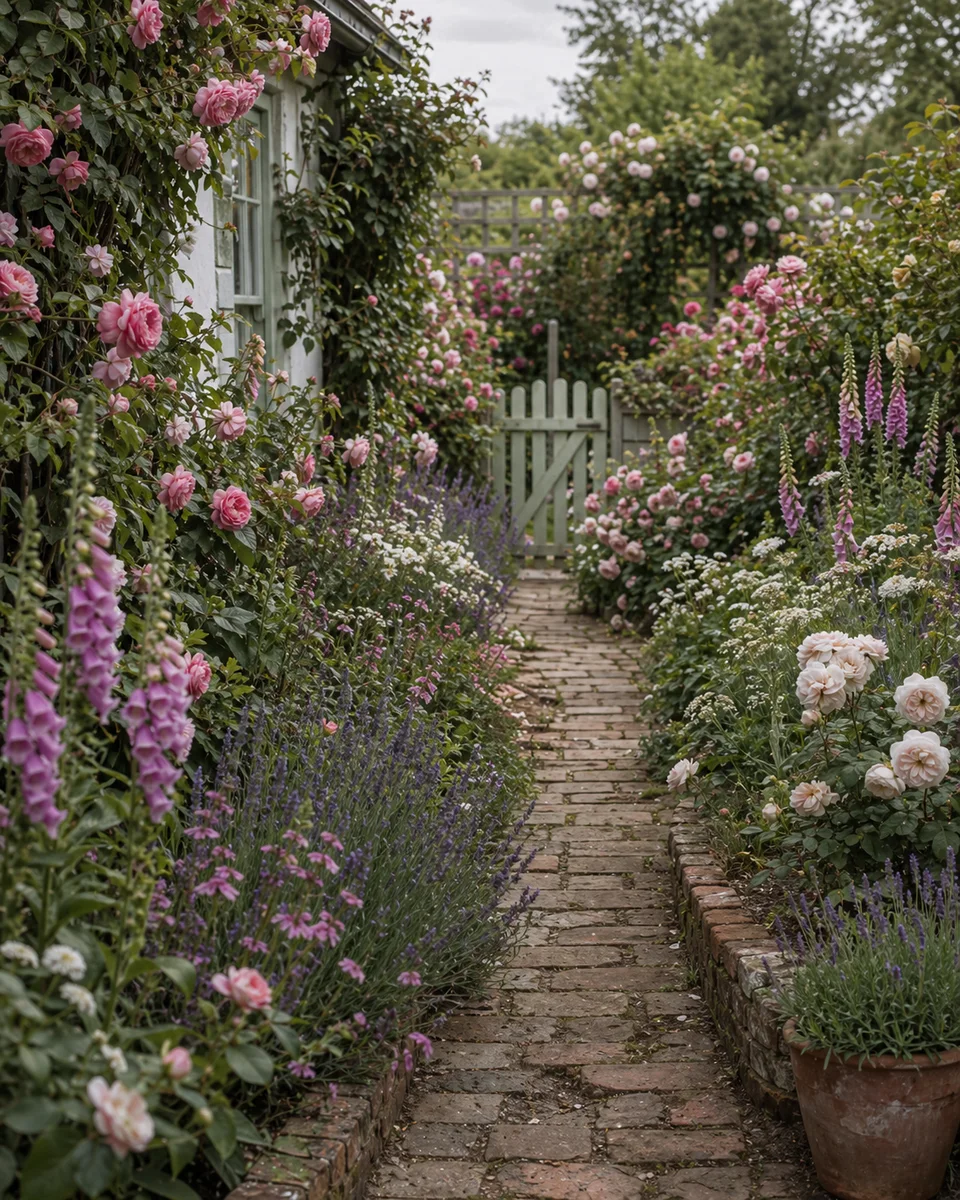
Growing Chives in USDA Zone 4b
Allium schoenoprasum
Yes. Chives is rated for USDA zones 3–9 and zone 4b sits comfortably inside that range. Winter lows in zone 4b (−25°F to −20°F (−31.7°C to −28.9°C)) stay well within what chives can tolerate without special protection.
- Zone
- 4b
- Fit
- Hardy
- Low
- −25°F
- Sun
- Full sun to part shade
- Water
- Moderate
- Height
- 10–15 in
- Bloom
- Late spring to early summer
- Type
- Herb
Is chives hardy in zone 4b?
Yes. Chives is rated for USDA zones 3–9 and zone 4b sits comfortably inside that range. Winter lows in zone 4b (−25°F to −20°F (−31.7°C to −28.9°C)) stay well within what chives can tolerate without special protection.
Plant hardiness range: 3–9 · Zone 4b minimum: −25°F to −20°F (−31.7°C to −28.9°C)
When to plant chives in zone 4b
Plant chives in zone 4b after the last frost has passed. Zone 4b timing: May into early June. Whole Zone 4 last frost is typically mid-May. 4b leans toward the earlier end of the variation the Zone 4 page already names (late April in some southern or coastal cells, early June in higher or interior cells). Use your NOAA station. Wait until after that date before tomatoes. Do not invent a single statewide date from the half-zone letter. Site it in full sun to part shade and water on a moderate water schedule from day one.
How to care for chives in zone 4b's climate
Plant in any well-drained soil. Snip leaves to the base as needed — they keep regrowing. Deadhead flowers before seeds drop to prevent volunteers. Divide clumps every 3–4 years in spring or fall. Flowers are edible and beautiful in salads. In zone 4b's summers, June through August. Warm days, cool nights, peak bloom around mid-July on the Zone 4 calendar. The half-zone difference is winter, not July. Through zone 4b winters (−25°F to −20°F (−31.7°C to −28.9°C)), November through April. Milder than 4a, and still not Zone 5: the published average extreme minimum is −25°F to −20°F, not a night-by-night forecast and not a −20°F floor. Mound own-root roses the way the Zone 4 page already says. Prune dormant fruit in February–March.
Common challenges in zone 4b
Zone 4b growers planting chives should watch for two regional pressures: Reading 4b as Zone 5 — 4b’s floor is −25°F to −20°F, not the −20°F to −15°F Zone 5a band. Plants rated only for Zone 5 still belong on a Zone 5 page. Use the Zone 5, 5a, or 5b guide only when the USDA map returns that band. Own-root roses still need the mound — The warmer half reduces how often canes see the −30°F floor, compared with 4a. It does not cancel the Zone 4 note to plant own-root roses and mound soil over the crown. Hybrid teas stay the poorer choice against Explorer, Parkland, and Canadian Artist shrub roses.
Alternative plants for zone 4b
05Other picks tested for zone 4b (−25°F to −20°F (−31.7°C to −28.9°C)).
Design ideas that fit chives
These idea pages link back to a zone page for chives.
Keep exploring
Frequently Asked Questions
01 Is chives hardy in USDA zone 4b?
Yes. Chives is rated for zones 3–9, and zone 4b (−25°F to −20°F (−31.7°C to −28.9°C)) sits comfortably inside that range.
02 When should I plant chives in zone 4b?
May into early June. Whole Zone 4 last frost is typically mid-May. 4b leans toward the earlier end of the variation the Zone 4 page already names (late April in some southern or coastal cells, early June in higher or interior cells). Use your NOAA station. Wait until after that date before tomatoes. Do not invent a single statewide date from the half-zone letter. Wait until after the last frost.
03 How much sun and water does chives need in zone 4b?
Chives needs full sun to part shade and moderate water. In zone 4b's summer climate, water deeply and infrequently rather than shallow daily sips, and mulch 2–3 inches to keep roots cool.