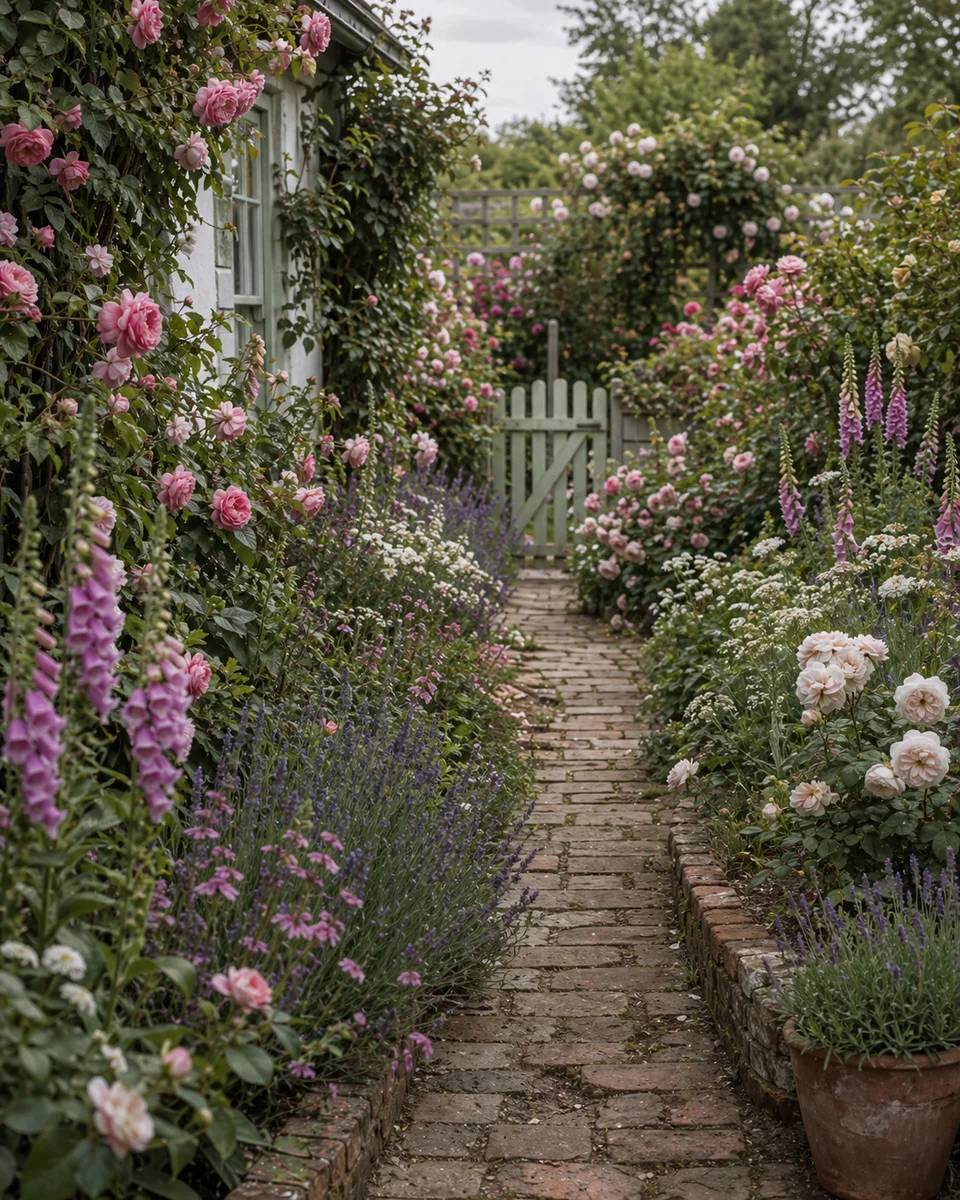
Lilac: Fragrance That Defines Spring
Syringa vulgaris
No shrub smells better in May. Common lilacs need cold winters to bloom well — they are heirloom classics from grandmother's garden. Modern reblooming Bloomerang series extends the show into fall.
Specifications
- Sun
- Full sun
- Water
- Low
- Hardiness zones
- 3–7
- Height
- 8–15 ft
- Bloom time
- Mid to late spring
Care & growing tips
Plant in well-drained, neutral to slightly alkaline soil in full sun. Prune immediately after flowering — buds form on old wood. Remove 1/3 of oldest stems at the base every few years to rejuvenate. Dwarf Korean lilac stays 4–5 feet.
Companion plants
03Find lilac in your zone
07Zone-specific care, planting windows, and alternatives.
Frequently Asked Questions
01 Why doesn't my lilac bloom?
Most common causes: too much shade, pruning at the wrong time (prune right after flowering), or excess nitrogen fertilizer. Lilacs also need winter chill — warm-climate gardeners need cold-tolerant varieties.
02 How do I prune an overgrown lilac?
Rejuvenate over 3 years: year 1, remove 1/3 of oldest stems at the base. Year 2, remove another 1/3. Year 3, the last of the old wood goes. This preserves blooming while refreshing the shrub. All heavy pruning happens right after flowering.
03 Why is my lilac covered in white powder?
Powdery mildew — cosmetic on lilacs but common in late summer. Plant in full sun with good airflow, avoid overhead watering, and choose mildew-resistant varieties like "Miss Kim" and "Bloomerang." Does not harm the plant long-term.