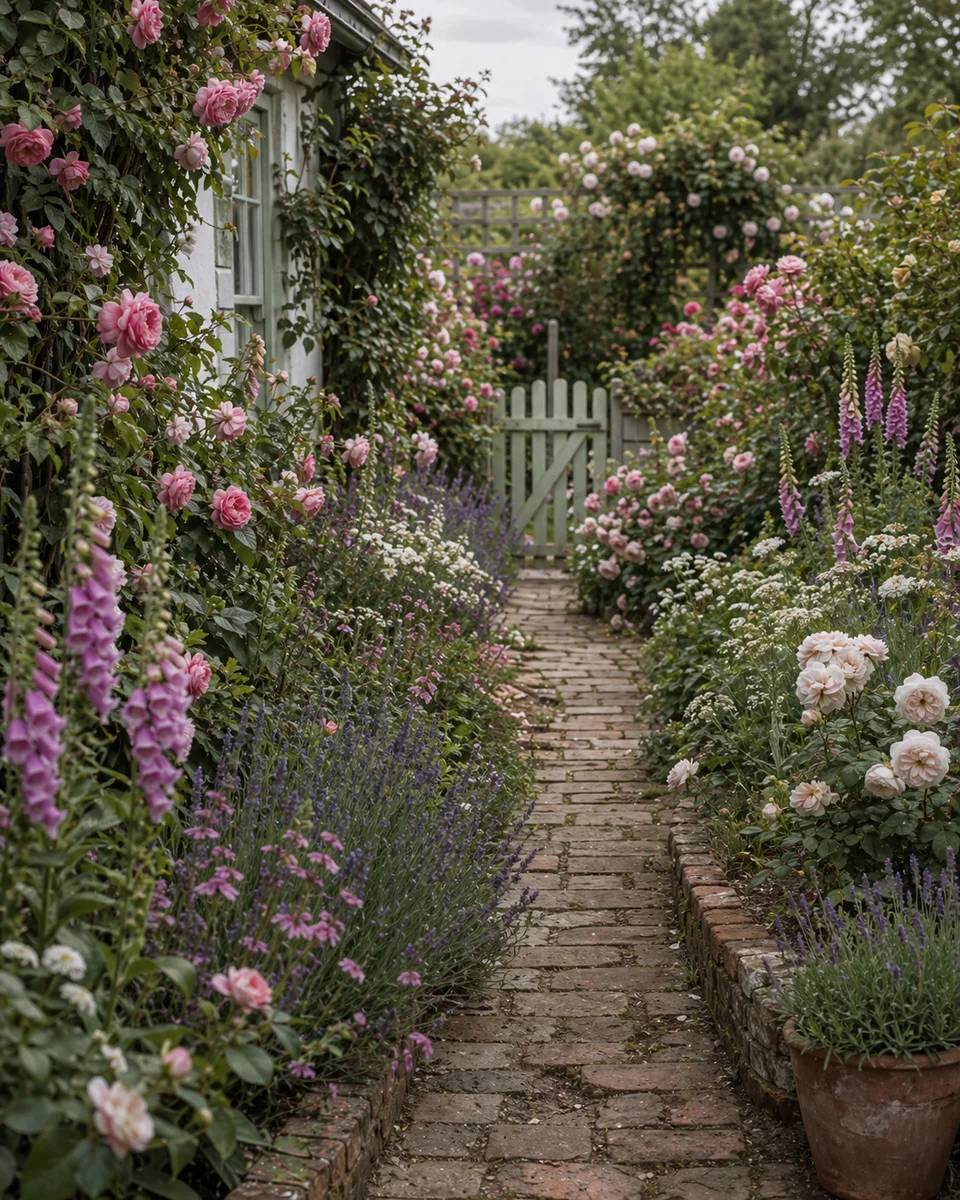
Garden Phlox: Fragrant Summer Mainstay
Phlox paniculata
Tall garden phlox delivers fragrant, mounded flower heads from mid-summer through fall. Classic cottage-garden plant. Modern mildew-resistant varieties like "David" and "Jeana" finally make phlox easy to grow well.
Specifications
- Sun
- Full sun to part shade
- Water
- Moderate
- Hardiness zones
- 4–8
- Height
- 2–4 ft
- Bloom time
- Mid-summer to fall
Care & growing tips
Plant in rich, well-drained soil with good airflow. Water at soil level to prevent mildew. Pinch stems in late spring for bushier plants. Divide every 3–4 years. Deadhead to prevent seedlings that revert to muddy colors.
Companion plants
03Find garden phlox in your zone
09Zone-specific care, planting windows, and alternatives.
Frequently Asked Questions
01 Why do my phlox have white powder on the leaves?
Powdery mildew — the classic phlox problem. Space plants for airflow, water at soil level only, thin the stems in spring by removing 1 of every 3, and switch to mildew-resistant varieties like "David," "Jeana," or "Robert Poore." Mulch to keep foliage clean.
02 Why did my pink phlox become magenta?
Volunteer seedlings. Phlox reseed readily, but seedlings revert to the original muddy magenta of the species, not the cultivar colors. Deadhead before seeds drop, and remove any unwanted seedlings early — they'll overwhelm the named varieties.
03 Does garden phlox attract hummingbirds?
Yes — the tubular flowers are magnets for hummingbirds, butterflies (especially swallowtails), and moths. Fragrance peaks in evening, when hawk moths visit. Plant in drifts of 5+ for the full pollinator effect.