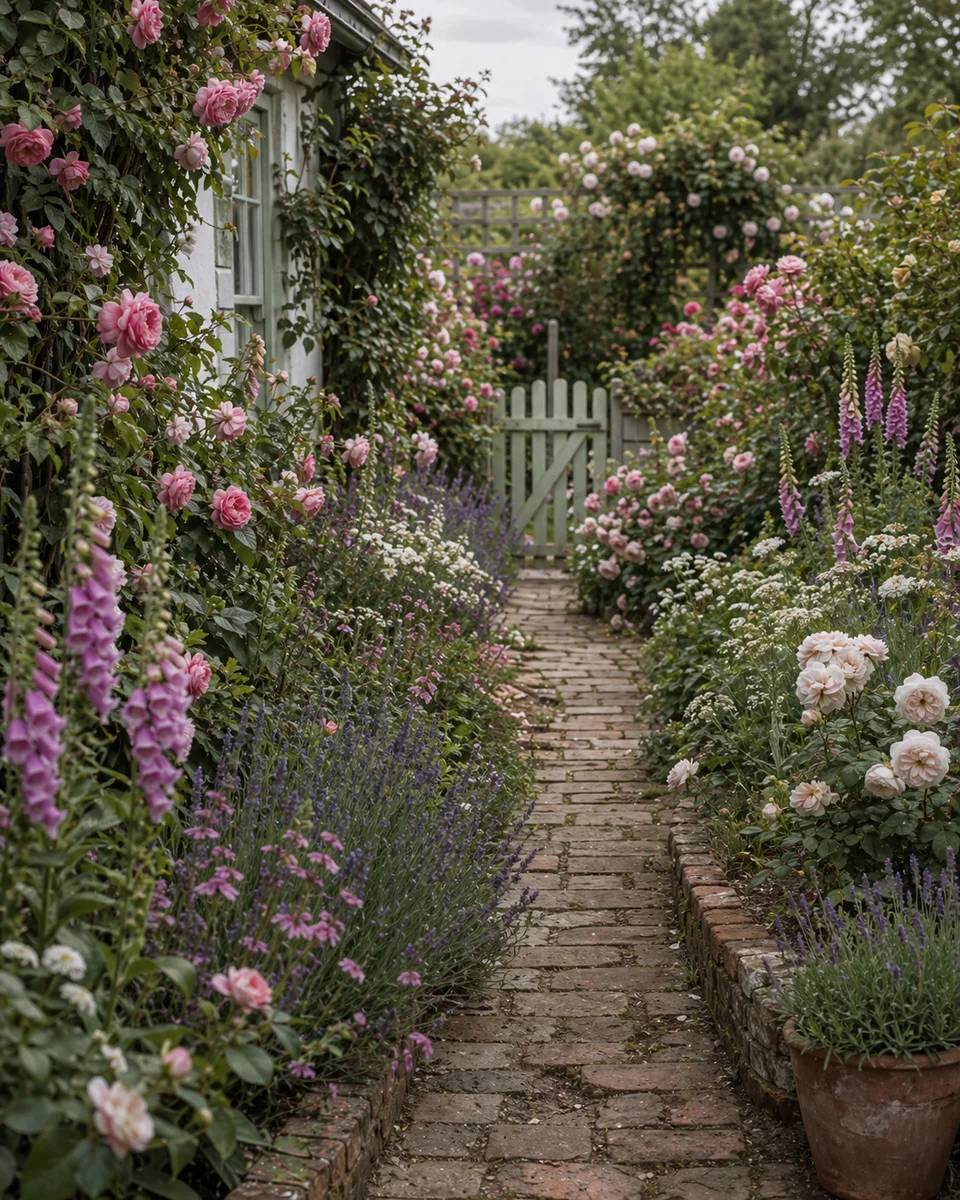
Russian Sage: Violet Haze All Summer
Perovskia atriplicifolia
Russian sage creates a lavender-blue haze from mid-summer through fall. Silvery foliage, aromatic leaves, and airy bloom spikes. Completely drought-tolerant once established.
Specifications
- Sun
- Full sun
- Water
- Low
- Hardiness zones
- 4–9
- Height
- 3–4 ft
- Bloom time
- Mid-summer to fall
Care & growing tips
Plant in well-drained soil — wet feet will rot it quickly. Cut back to 6 inches in early spring to encourage bushy growth. Avoid fertilizing. Looks best planted in groups of 3–5.
Companion plants
03Find russian sage in your zone
12Zone-specific care, planting windows, and alternatives.
- Z4 Russian Sage in Zone 4
- Z5 Russian Sage in Zone 5
- Z6 Russian Sage in Zone 6
- Z7 Russian Sage in Zone 7
- Z7a Russian Sage in Zone 7a
- Z7b Russian Sage in Zone 7b
- Z8 Russian Sage in Zone 8
- Z8a Russian Sage in Zone 8a
- Z8b Russian Sage in Zone 8b
- Z9 Russian Sage in Zone 9
- Z9a Russian Sage in Zone 9a
- Z9b Russian Sage in Zone 9b
Frequently Asked Questions
01 Is Russian sage the same as lavender?
No — different species entirely. Russian sage (Perovskia) is taller and airier, blooms longer into fall, and is hardier (zones 4–9 vs. lavender's 5–9). Both love full sun and dry soil. Russian sage is often called "the lavender alternative" for colder zones.
02 When should I cut back Russian sage?
Early spring — cut all stems back to 6 inches once you see new growth at the base. Russian sage blooms on new wood, so hard pruning encourages the bushiest, most flower-laden plants.
03 Is Russian sage deer resistant?
Very. The aromatic silver foliage is strongly deer and rabbit resistant. One of the most reliable mammal-proof perennials for sunny, dry gardens alongside catmint and lavender.