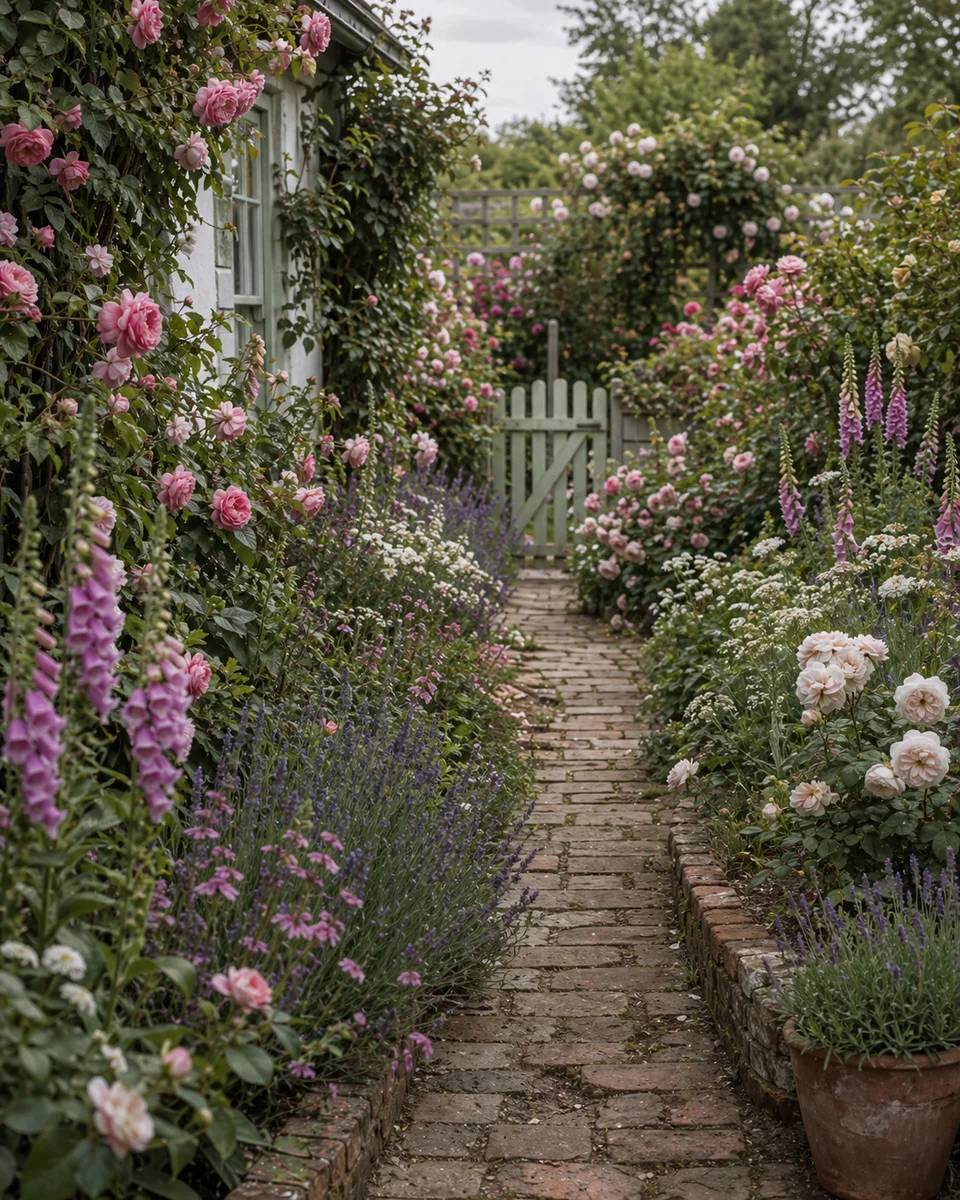
为什么有效
您的侧院是一条天然走廊,可将前后花园连接成连续的栖息地网络。本地地被植物和耐阴植物在侧院典型的多变光照条件下生长良好。本地侧院提供了许多有益物种越冬所需的未受干扰的地面条件。
Best for
- side yards where service path width and vertical planting are the real constraints
- people committing to regionally adapted species and seasonal structure
- renters or owners who can change containers more easily than built-in beds
Skip if
- you will not check narrow light corridors and privacy from neighbors before buying plants
- you want a static evergreen box that looks the same in every month
Common mistakes
For a native-forward side yard, the usual miss is calling anything “native” without checking your actual ecoregion. People also ignore narrow light corridors and privacy from neighbors and end up with planting that turns the side into an unwalkable jungle. Names like native, mulch only work when massed with intent — not one of each from the nursery cart.
Plan this first
Keep a clear service path, then use walls and fences as the planting surface. Name the ecoregion and one seasonal structure plant, then fill in drifts. Preview that massing in Arden from the main viewing angle before you buy native, mulch.
如何打造这种风格
评估光照模式。沿开放边缘种植耐晒本地植物,靠近建筑物的地方种植耐阴物种。用本地莎草作为活地膜覆盖地面。添加踏脚石便于通行。在最阴暗的角落种植本地蕨类。
用AI试试看
Arden 展示您的侧院如何转变为本地野生动物走廊,将光照模式映射到植物位置。
“Redesigned the whole backyard before I bought a single plant. Saved me from a couple of bad calls.”
常见问题
01 本地侧院植物会蔓延到邻居的地产吗?
大多数本地地被植物扩展缓慢,易于用钢边界进行管理。
02 本地植物能适应侧院常见的贫瘠土壤吗?
本地植物在当地土壤中进化,通常在未改善的土地上表现优于外来种。
03 本地侧院需要割草或修剪吗?
不需要。本地地被植物可替代割草的需要。在冬季晚期修剪一次枯死的茎。