Arden
An Ecological Corridor in Your Side Yard
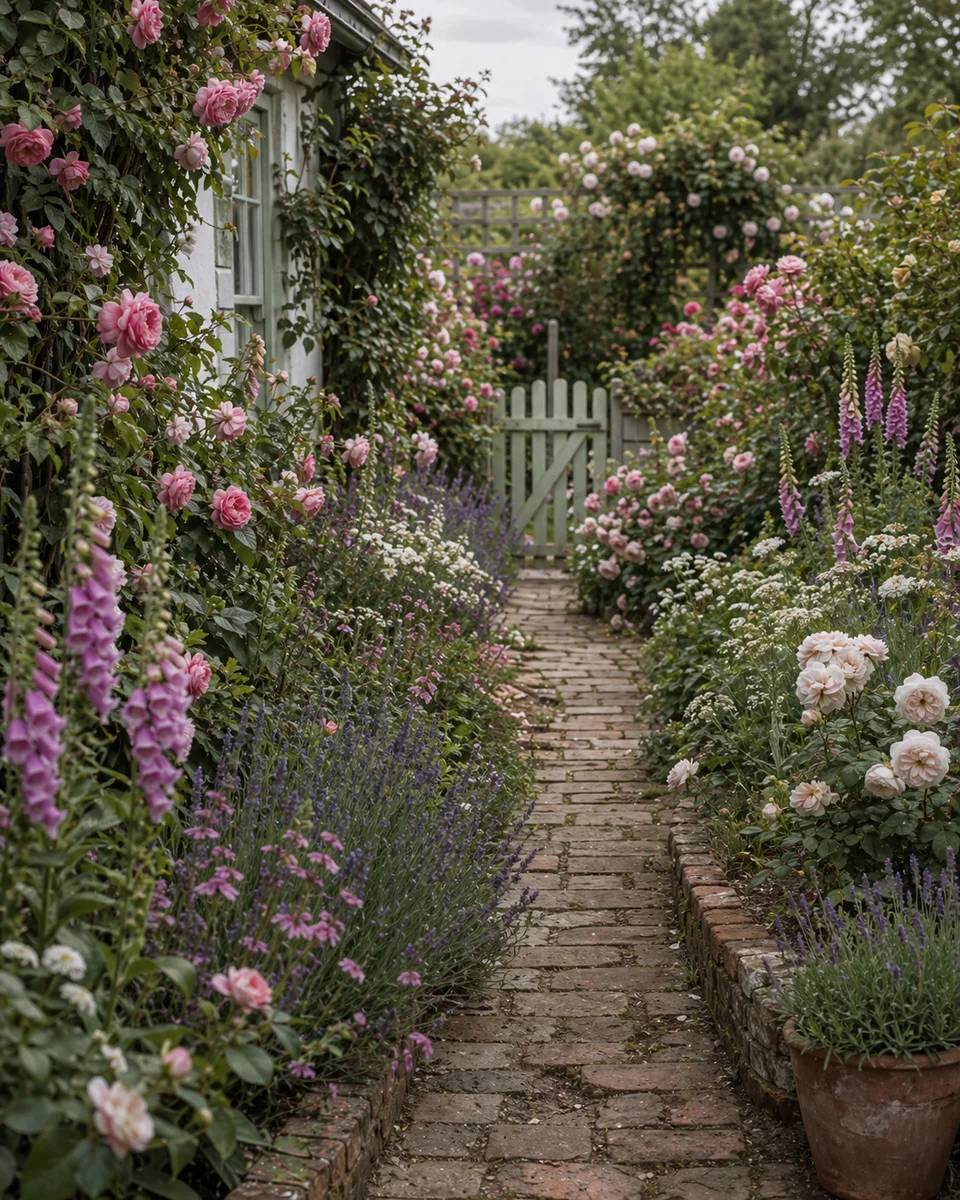
Native groundcovers and wildflowers transform a neglected side yard into a functional wildlife corridor connecting your front and back gardens.
Why It Works
Your side yard is a natural corridor that can link your front and back gardens into a continuous habitat network. Native groundcovers and shade plants thrive in the variable light conditions typical of side yards. A native side yard provides the undisturbed ground conditions that many beneficial species need for overwintering.
Best for
- side yards where service path width and vertical planting are the real constraints
- people committing to regionally adapted species and seasonal structure
- renters or owners who can change containers more easily than built-in beds
Skip if
- you will not check narrow light corridors and privacy from neighbors before buying plants
- you want a static evergreen box that looks the same in every month
Common mistakes
For a native-forward side yard, the usual miss is calling anything “native” without checking your actual ecoregion. People also ignore narrow light corridors and privacy from neighbors and end up with planting that turns the side into an unwalkable jungle. Names like native, mulch only work when massed with intent — not one of each from the nursery cart.
Plan this first
Keep a clear service path, then use walls and fences as the planting surface. Name the ecoregion and one seasonal structure plant, then fill in drifts. Preview that massing in Arden from the main viewing angle before you buy native, mulch.
How to Achieve This Look
Assess sun patterns. Plant sun-tolerant natives along the open edge and shade-tolerant species against the building. Cover the ground with native sedge as a living mulch. Add stepping stones for access. Plant native ferns in the shadiest corners.
Try It with AI
Arden shows your side yard transformed into a native wildlife corridor, mapping sun patterns to plant placement.
“Redesigned the whole backyard before I bought a single plant. Saved me from a couple of bad calls.”
Frequently Asked Questions
01 Will a native side yard spread into my neighbor property?
Most native groundcovers spread slowly and are easily managed with a steel edge.
02 Can native plants handle the poor soil typical of side yards?
Native plants evolved in local soils and typically outperform exotics in unimproved ground.
03 Will a native side yard need mowing or trimming?
No. Native groundcovers replace the need for mowing. Cut back dead stems once in late winter.