Arden
Cottage vs English Cottage Garden: What Sets Them Apart?
Both celebrate abundance, but the English version adds a layer of refined structure — discover which approach fits your taste.
Why It Works
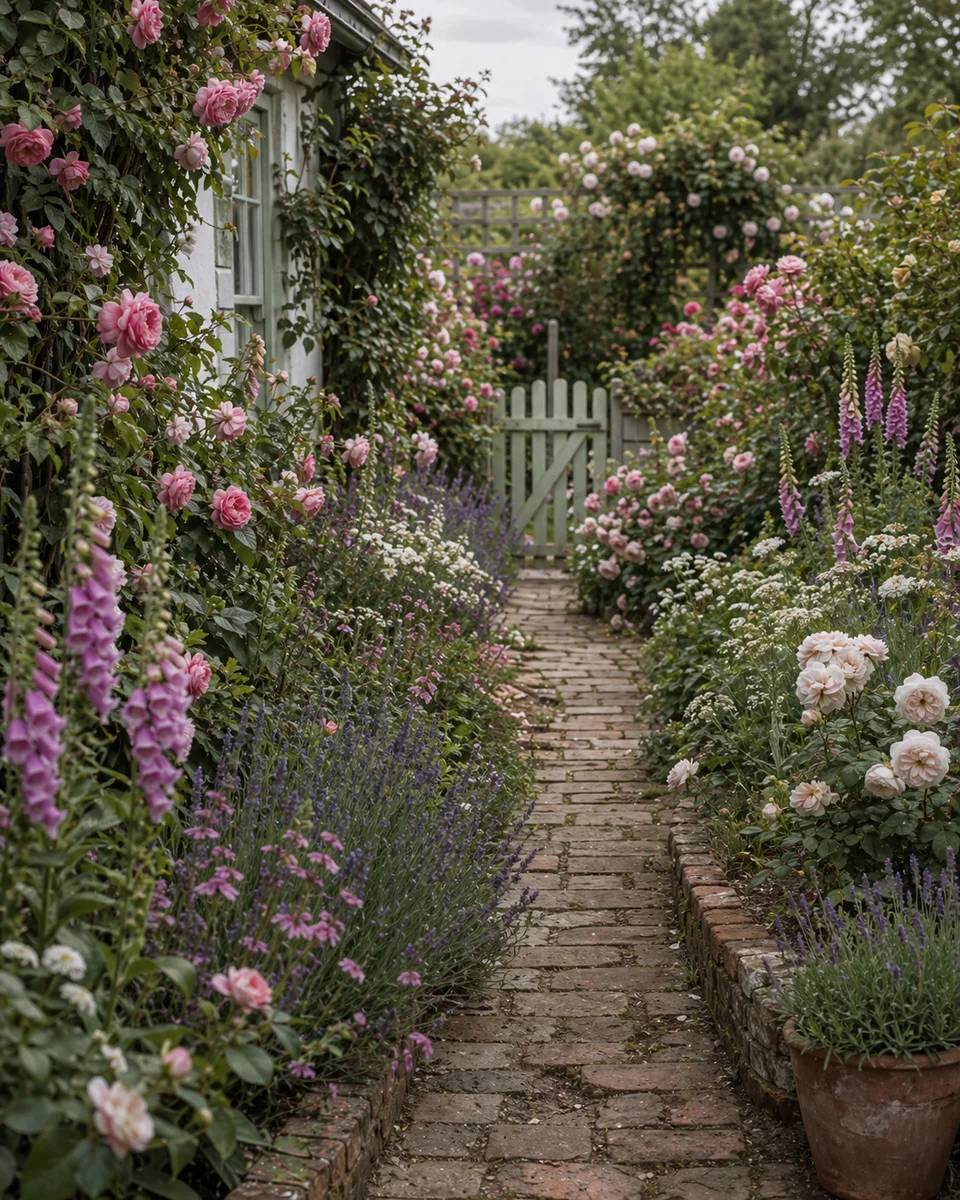
A cottage garden in the broad sense is any informal, densely planted garden that mixes flowers, herbs, and sometimes vegetables — it is democratic, personal, and eclectic. An English cottage garden is a more specific tradition refined by designers like Gertrude Jekyll and Vita Sackville-West: deep herbaceous borders, planned color harmonies, climbing roses on old brick walls, and a restrained plant palette that flows through the seasons. The difference is like the distinction between folk music and a carefully orchestrated symphony — both are beautiful, but one follows a tighter structure. Choose the general cottage style if you love mixing anything that grows well; choose the English approach if you want that curated, photographic beauty with seasonal intention.
Best for
- gardens where paths, beds, and a maintenance rhythm you will keep are the real constraints
- people committing to deep borders, planned color, climbing roses on structure
- people who will water through establishment season
Skip if
- you will not check sun hours, wind, and the soil under the actual beds before buying plants
- you want a one-weekend plant-and-forget bed with no dividing or staking
Common mistakes
For a English cottage garden, the usual miss is a folk jumble with no massing, no winter bones, and no color sequence. People also ignore sun hours, wind, and the soil under the actual beds and end up with a plant collection with no path, water plan, or winter structure. A long English cottage plant receipt without massing still looks unfinished from the main view.
Plan this first
Fix circulation and one viewing angle before the plant list. Set the border depth and one color season, then plant in drifts — not a receipt of singles. Preview that massing in Arden from the main viewing angle before you buy deep borders, planned color, climbing roses on structure.
How to Achieve This Look
For a general cottage garden, plant freely: mix perennials, annuals, herbs, and vegetables. Use a picket fence, let plants self-seed, and embrace happy accidents. For the English version, invest in deep borders (5+ feet), plan color themes by section, repeat key plants for rhythm, and use structural elements like box hedging and climbing roses as a framework. The English style requires more planning upfront but creates a more cohesive result. You can start with a free-form cottage approach and gradually introduce English structure — adding box edging, removing clashing colors, and refining plant combinations over seasons.
Try It with AI
Use Arden to compare both approaches in your garden. See the free-spirited cottage mix alongside the refined English herbaceous border in your actual space — and decide whether you want spontaneous charm or orchestrated beauty.
“I showed my landscaper the preview and we agreed on a plan in one meeting instead of three.”
Frequently Asked Questions
01 Is an English cottage garden harder to maintain?
Slightly. The English style requires more deliberate deadheading, staking, and seasonal planning to maintain color harmonies. A free-form cottage garden is more forgiving — gaps and color clashes become part of the charm.
02 Which style is better for a front yard?
Both work well. The English cottage style, with its structured borders and tidier framework, often satisfies neighborhood aesthetics better. A general cottage garden works when the house style is rustic or informal.
03 Can I grow an English cottage garden in the US?
Yes. USDA zones 5–8 support most traditional English plants. In warmer or drier zones, substitute heat-tolerant varieties and adapt the palette while keeping the design principles — deep borders, color planning, climbing roses.