Arden
A Beautiful Garden With Less Work
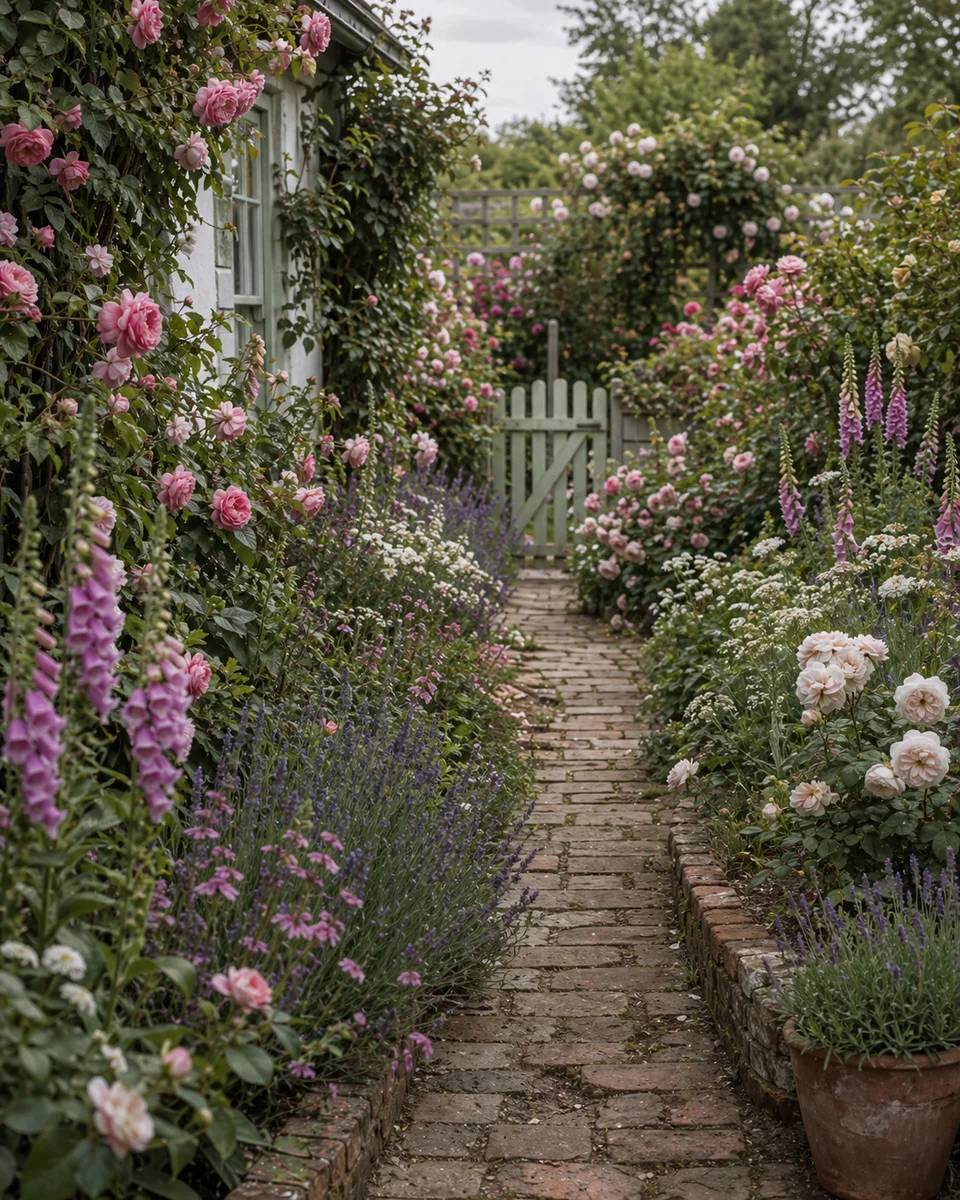
Smart plant choices, durable materials, and thoughtful design create a garden that looks great without constant attention.
Why It Works
Low maintenance does not mean low beauty — it means smart design. The highest-maintenance tasks in a traditional garden are mowing lawns, weeding beds, watering, deadheading flowers, and pruning hedges. A low-maintenance garden systematically reduces or eliminates each of these tasks through material choices (gravel instead of lawn), plant selection (ground covers instead of weeds), infrastructure (drip irrigation instead of hand watering), and style (naturalistic planting instead of formal hedging). Many of the most admired garden styles are inherently low-maintenance: Mediterranean, xeriscape, prairie, and modern minimal gardens all require far less work than traditional English borders or manicured lawns. The secret is investing time in design and installation so you can relax for years afterward.
Best for
- gardens where paths, beds, and a maintenance rhythm you will keep are the real constraints
- people committing to evergreen bones, mulch, fewer species
- renters or owners who can change containers more easily than built-in beds
Skip if
- you will not check sun hours, wind, and the soil under the actual beds before buying plants
- you want a flower show that needs weekly deadheading
Common mistakes
For a low-maintenance garden, the usual miss is “no maintenance” plant lists that still need water year one. People also ignore sun hours, wind, and the soil under the actual beds and end up with a plant collection with no path, water plan, or winter structure. Names like gravel, hydrangea, topiary only work when massed with intent — not one of each from the nursery cart.
Plan this first
Fix circulation and one viewing angle before the plant list. Cut the plant list in half, then mulch and group by water need. Preview that massing in Arden from the main viewing angle before you buy gravel, hydrangea, topiary.
How to Achieve This Look
Replace or reduce lawn — it is the single biggest maintenance driver. Swap it for gravel, decking, artificial turf, or ground-cover planting. Use large-scale mulching (3–4 inches of bark or gravel) on all beds to suppress weeds. Choose plants that do not need staking, deadheading, or frequent dividing: ornamental grasses, evergreen shrubs, ground-cover perennials (geranium, epimedium, pachysandra), and self-cleaning flowers (hydrangea paniculata, hardy geraniums). Install automated drip irrigation. Use evergreen structure (low hedging, topiary balls, specimen trees) for year-round form that does not need seasonal replanting. Edge beds with metal or stone to maintain crisp lines without trimming. Choose pest-resistant and disease-resistant varieties to avoid spraying.
Try It with AI
Arden previews low-maintenance designs in your space. See how replacing lawn with gravel, adding a few structural shrubs, and installing automated irrigation transforms your yard into a beautiful garden that barely needs your attention.
“I showed my landscaper the preview and we agreed on a plan in one meeting instead of three.”
Frequently Asked Questions
01 What is the lowest maintenance garden style?
Modern minimal, Mediterranean, and xeriscape gardens are the lowest maintenance. They use drought-tolerant plants, gravel or hardscaping instead of lawn, and simple plant palettes that need minimal pruning, watering, or replanting.
02 What are the easiest plants to grow?
Hardy geraniums, ornamental grasses, sedums, lavender, Japanese anemones, and evergreen shrubs (viburnum, choisya, photinia) are nearly indestructible. They need no staking, minimal pruning, and tolerate neglect.
03 How do I reduce weeding?
Mulch all bare soil 3–4 inches deep (bark, wood chips, or gravel over landscape fabric). Use dense ground-cover planting to outcompete weeds. Avoid leaving bare soil — weeds only colonize empty space.
04 Is artificial turf a good low-maintenance option?
It eliminates mowing and watering but needs brushing, occasional infill, and replacement every 8–15 years. Ground-cover planting (creeping thyme, clover, or chamomile) offers a natural alternative with similar maintenance levels and better environmental impact.