Arden
Design a Garden for Healing and Wellness
Create a therapeutic outdoor space that engages the senses, reduces stress, and supports physical and emotional well-being.
Medium
partial-shade
Medium
Why It Works
The healing power of gardens is not folk wisdom — it is backed by decades of clinical research. Roger Ulrich's landmark 1984 study demonstrated that hospital patients with views of trees recovered faster, needed less pain medication, and had fewer complications than those facing a brick wall. Since then, evidence-based therapeutic garden design has become a recognized discipline in healthcare, elder care, and mental health settings. Therapeutic gardens work through multiple pathways: they reduce cortisol (the stress hormone) within minutes of exposure, engage all five senses to ground the mind in the present moment, provide gentle physical activity through gardening tasks, and restore attention through what psychologists call "soft fascination" — the effortless engagement provoked by flowing water, rustling leaves, and drifting butterflies. You do not need a hospital to benefit — a thoughtfully designed home garden can serve as a daily sanctuary for stress relief, mindfulness, and emotional restoration.
Best for
- gardens where paths, beds, and a maintenance rhythm you will keep are the real constraints
- people committing to scent, texture, accessible paths, and seating in shade
- renters or owners who can change containers more easily than built-in beds
Skip if
- you will not check sun hours, wind, and the soil under the actual beds before buying plants
- the space cannot take a level path and a place to sit
Common mistakes
For a therapeutic garden, the usual miss is pretty beds with no reachable plants, no seat, and no shade at noon. People also ignore sun hours, wind, and the soil under the actual beds and end up with a plant collection with no path, water plan, or winter structure. Names like lavender, rosemary, mint only work when massed with intent — not one of each from the nursery cart.
Plan this first
Fix circulation and one viewing angle before the plant list. Build a level loop and a shaded seat, then put scent and texture at hand height. Preview that massing in Arden from the main viewing angle before you buy lavender, rosemary, mint.
How to Create This Garden
- 01
Design a looping path with smooth, level surfaces — no steps or sudden grade changes for accessibility.
- 02
Create sensory stations along the path: a fragrance zone (lavender, rosemary), a texture zone (lamb's ear, grasses), and a sound zone (water, rustling bamboo).
- 03
Install raised planters at wheelchair height (24–30 inches) for hands-on interaction with plants.
- 04
Include shaded seating alcoves with views of the garden for rest and contemplation.
- 05
Add a gentle water feature — the sound of moving water is one of the most effective stress-reduction elements in therapeutic design.
Planting & layout notes
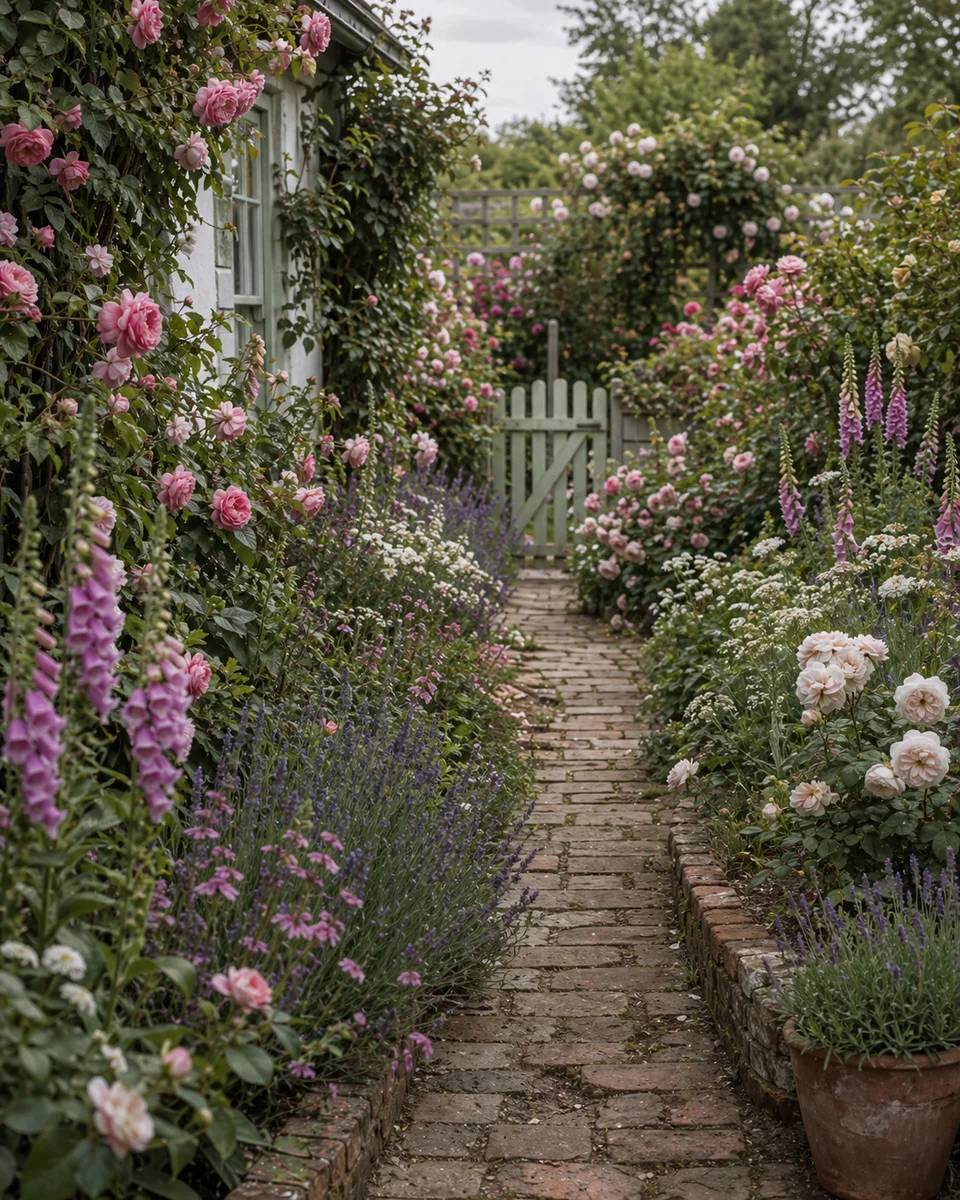
Design for all five senses. Touch: include plants with varied textures — fuzzy lamb's ear (Stachys byzantina), smooth ornamental grasses, and feathery ferns. Smell: plant fragrant herbs (lavender, rosemary, mint), scented roses, and jasmine along pathways where they will be brushed in passing. Sound: add a water feature (even a small bubbling fountain), rustling grasses (Miscanthus, bamboo), and plants that attract birdsong. Sight: use a calming color palette of greens, blues, purples, and whites — avoid jarring reds near seating areas. Taste: include edible herbs and berries for the satisfaction of harvesting. Create a clear, accessible path loop with a smooth, even surface for mobility aids. Include sheltered, comfortable seating with back support in both sunny and shaded spots. Add raised beds at accessible heights (24–30 inches) for gardening without bending. Enclose the space partially — hedges, fences, or walls create a sense of safety and separation from the outside world.
Try It with AI
Arden helps you design a therapeutic garden tailored to your needs and space. Visualize how sensory plant groupings, accessible raised beds, and a calming water feature will look in your actual yard — and create a healing retreat at home.
“Redesigned the whole backyard before I bought a single plant. Saved me from a couple of bad calls.”
Frequently Asked Questions
01 What makes a garden "therapeutic" versus just pleasant?
Therapeutic gardens are intentionally designed using evidence-based principles: sensory engagement, accessible pathways, comfortable seating, restorative views, and opportunities for active gardening. A pleasant garden may include some of these by chance; a therapeutic garden includes them by design.
02 What are the best plants for a sensory garden?
Lavender and rosemary for scent, lamb's ear and ornamental grasses for touch, rustling bamboo for sound, colorful blooms (echinacea, salvia) for sight, and strawberries or herbs for taste. Choose plants that engage multiple senses simultaneously.
03 Can a therapeutic garden help with anxiety?
Research consistently shows that time in gardens reduces cortisol levels, lowers blood pressure, and decreases self-reported anxiety. Active gardening adds the benefits of gentle exercise, purposeful activity, and mindful attention to living things.
04 How do I make a therapeutic garden accessible?
Use smooth, firm, level pathways at least 4 feet wide for wheelchair access. Install raised beds at 24–30 inches for seated gardening. Choose seating with armrests and backrests. Ensure shade options and avoid steep grades. Raised water features bring sound to seated visitors.