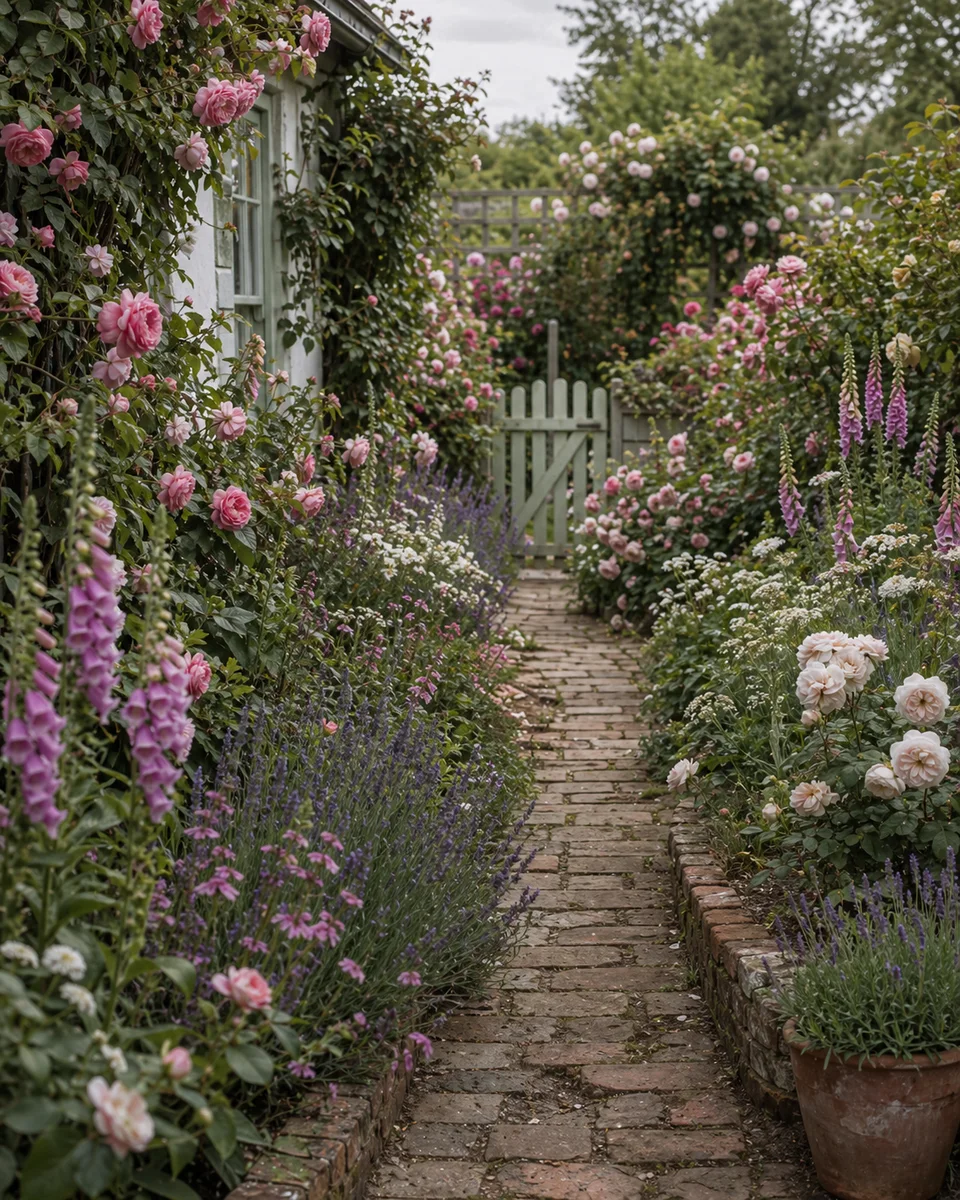
Growing Clematis in USDA Zone 6b
Clematis spp.
Yes. Clematis is rated for USDA zones 4–9 and zone 6b sits comfortably inside that range. Winter lows in zone 6b (−5°F to 0°F (−20.6°C to −17.8°C)) stay well within what clematis can tolerate without special protection.
- Zone
- 6b
- Fit
- Hardy
- Low
- −5°F
- Sun
- Full sun (roots shaded)
- Water
- Moderate
- Height
- 6–20 ft
- Bloom
- Varies by group
- Type
- Climber
Is clematis hardy in zone 6b?
Yes. Clematis is rated for USDA zones 4–9 and zone 6b sits comfortably inside that range. Winter lows in zone 6b (−5°F to 0°F (−20.6°C to −17.8°C)) stay well within what clematis can tolerate without special protection.
Plant hardiness range: 4–9 · Zone 6b minimum: −5°F to 0°F (−20.6°C to −17.8°C)
When to plant clematis in zone 6b
Plant clematis in zone 6b in spring once the soil can be worked, or in early fall. Zone 6b timing: March through May. 6b is the warmer half, so last frost often sits toward the earlier side of the Zone 6 range (late March to mid-April) — still a local NOAA fact, not a promise. Cool-season crops go in when the soil can be worked. Wait for 60°F soil before tomatoes, the same rule as the whole Zone 6 page. Site it in full sun (roots shaded) and water on a moderate water schedule from day one.
How to care for clematis in zone 6b's climate
Plant with roots shaded — use a large flat rock or low-growing companion at the base. Provide a sturdy support. Prune based on pruning group — know yours before cutting. Feed monthly during growing season. In zone 6b's summers, June through September. Hot, humid, and the same beetle and fungal season as the rest of Zone 6. Mulch, water deeply, and choose disease-resistant tomatoes and roses. Winter hardiness is not the summer problem. Through zone 6b winters (−5°F to 0°F (−20.6°C to −17.8°C)), November through February. Milder than 6a, and still capable of lows near −5°F. Protect camellias and marginally hardy shrubs when a forecast actually approaches that floor. Prune roses and fruit in late winter. Do not skip protection because the letter is “b”.
Common challenges in zone 6b
Zone 6b growers planting clematis should watch for two regional pressures: Treating 6b as Zone 7 — 6b’s floor is −5°F to 0°F, not the 0°F to 10°F Zone 7 band. Camellias, southern magnolia, and crape myrtle can still lose wood here. Use the Zone 7 page only when the USDA map returns 7a or 7b. Figs and crape myrtle that still need a plan — The warmer half reduces how often trunks die to the ground, compared with 6a. It does not cancel the Zone 6 fig note. Keep Chicago Hardy, Brown Turkey, or Celeste, and wrap or tip-bury if a forecast approaches the −5°F floor.
Alternative plants for zone 6b
05Other picks tested for zone 6b (−5°F to 0°F (−20.6°C to −17.8°C)).
Keep exploring
Frequently Asked Questions
01 Is clematis hardy in USDA zone 6b?
Yes. Clematis is rated for zones 4–9, and zone 6b (−5°F to 0°F (−20.6°C to −17.8°C)) sits comfortably inside that range.
02 When should I plant clematis in zone 6b?
March through May. 6b is the warmer half, so last frost often sits toward the earlier side of the Zone 6 range (late March to mid-April) — still a local NOAA fact, not a promise. Cool-season crops go in when the soil can be worked. Wait for 60°F soil before tomatoes, the same rule as the whole Zone 6 page. Spring or fall planting both work — avoid setting transplants out during peak summer heat.
03 How much sun and water does clematis need in zone 6b?
Clematis needs full sun (roots shaded) and moderate water. In zone 6b's summer climate, water deeply and infrequently rather than shallow daily sips, and mulch 2–3 inches to keep roots cool.