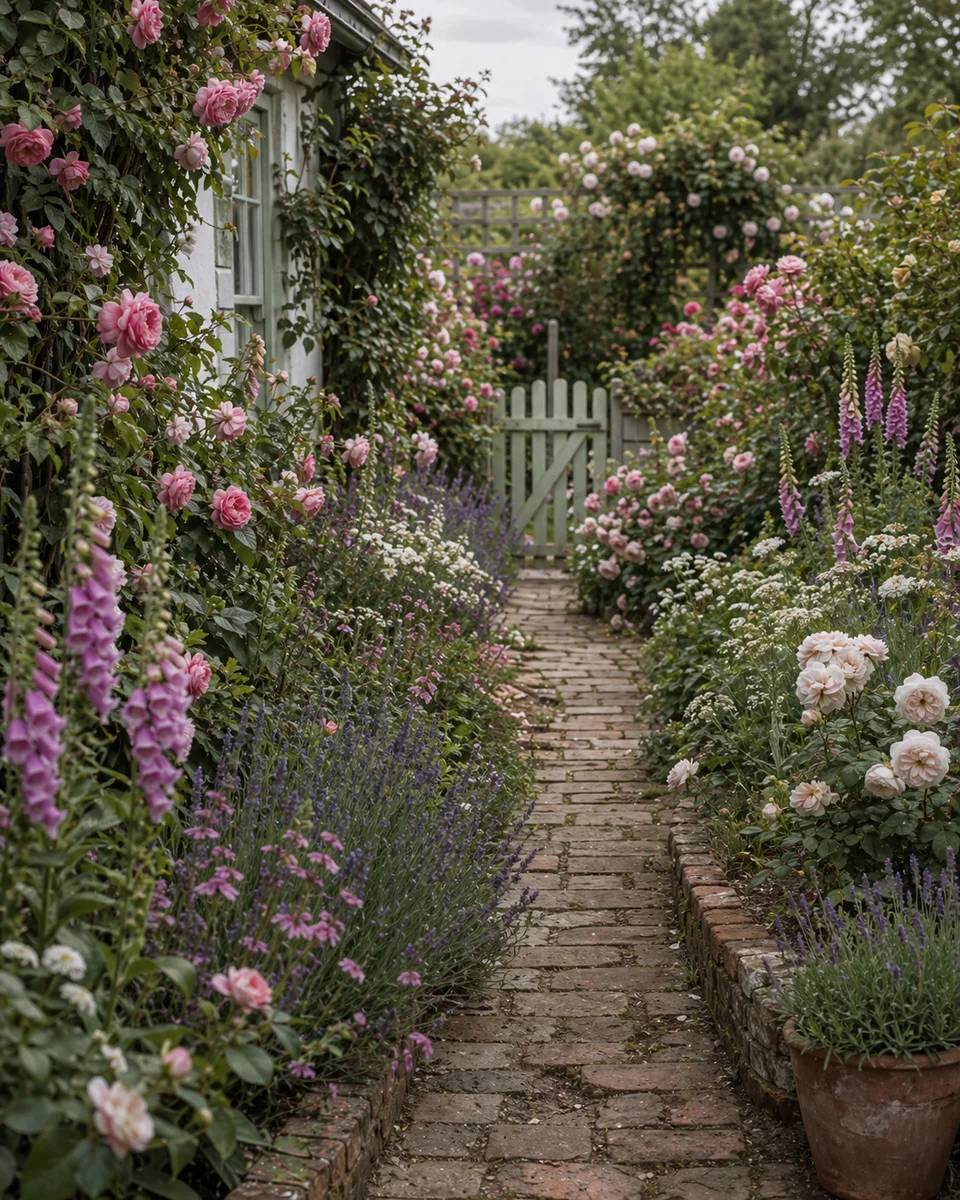
Clematis: The Queen of Climbers
Clematis spp.
Clematis delivers the biggest, showiest blooms of any climbing vine. Different pruning groups bloom at different times — plant several for flowers spring through fall. The secret: "head in the sun, feet in the shade."
Specifications
- Sun
- Full sun (roots shaded)
- Water
- Moderate
- Hardiness zones
- 4–9
- Height
- 6–20 ft
- Bloom time
- Varies by group
Care & growing tips
Plant with roots shaded — use a large flat rock or low-growing companion at the base. Provide a sturdy support. Prune based on pruning group — know yours before cutting. Feed monthly during growing season.
Companion plants
03Find clematis in your zone
12Zone-specific care, planting windows, and alternatives.
Frequently Asked Questions
01 When should I prune clematis?
Depends on the group: Group 1 after flowering, Group 2 lightly in early spring, Group 3 hard in early spring. Check your cultivar before cutting.
02 Why isn't my clematis blooming?
Four usual suspects: wrong pruning group timing (cutting off bud-bearing stems), too much shade (needs 6+ hours sun on the vine), roots cooking in hot soil (needs a shade companion or mulch), or a young plant (clematis often skips year 1 while establishing roots).
03 What does 'head in sun, feet in shade' mean for clematis?
The vine wants full sun, but the roots must stay cool. Plant a low-growing perennial at the base, place a flat rock over the roots, or use 3+ inches of mulch. Hot roots cause wilt and stunted blooming even with perfect above-ground conditions.