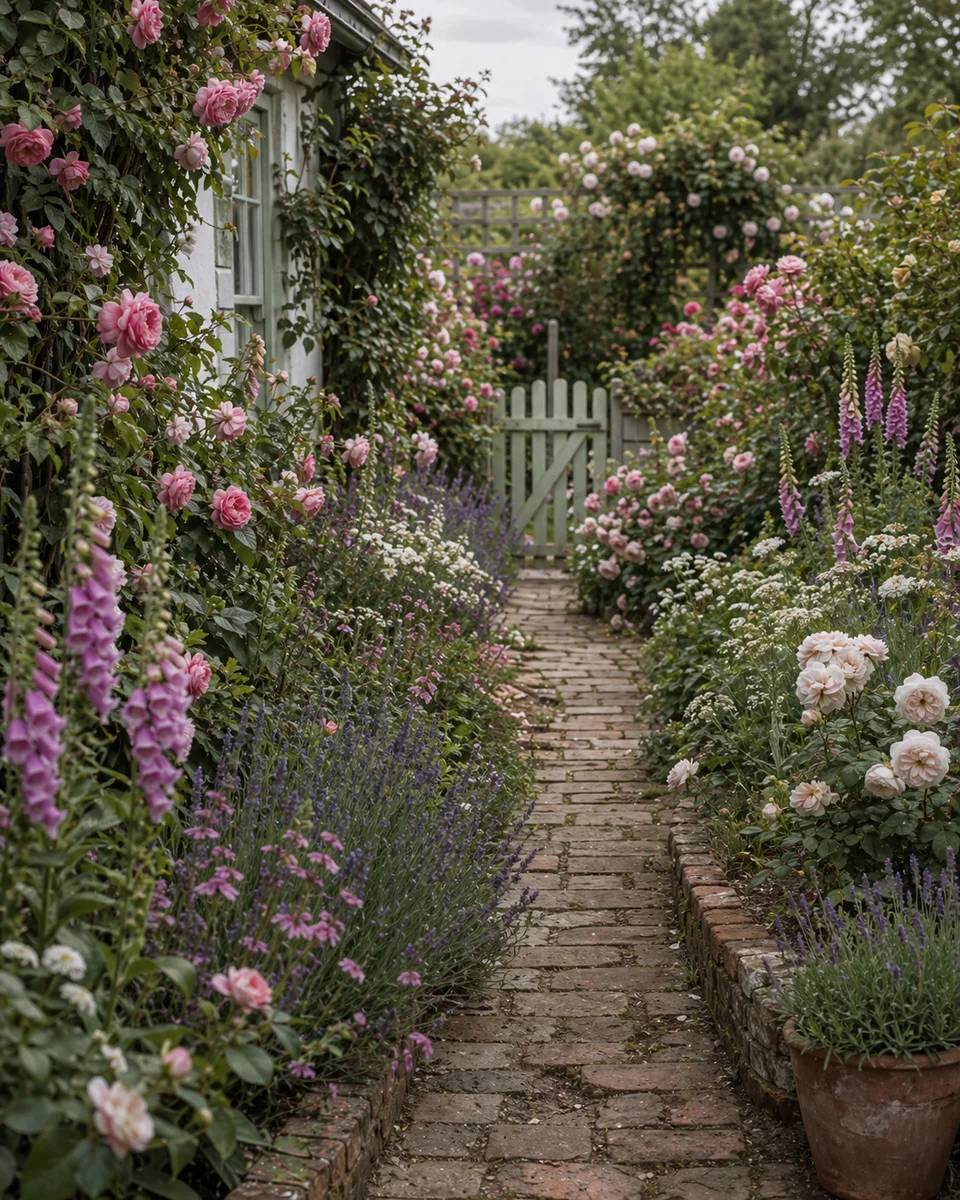
Climbing Roses: Vertical Drama
Rosa climbing varieties
Climbing roses turn trellises, arbors, and walls into living cathedrals. Train horizontal canes to maximize bloom production. "Eden," "New Dawn," and "Zéphirine Drouhin" are time-tested classics.
Specifications
- Sun
- Full sun
- Water
- Moderate
- Hardiness zones
- 5–9
- Height
- 8–20 ft
- Bloom time
- Spring to fall
Care & growing tips
Plant in rich, well-drained soil near a sturdy support. Train main canes horizontally — this triggers more blooms. Prune in late winter. Feed regularly during the growing season.
Companion plants
03Find climbing roses in your zone
11Zone-specific care, planting windows, and alternatives.
- Z5 Climbing Roses in Zone 5
- Z6 Climbing Roses in Zone 6
- Z7 Climbing Roses in Zone 7
- Z7a Climbing Roses in Zone 7a
- Z7b Climbing Roses in Zone 7b
- Z8 Climbing Roses in Zone 8
- Z8a Climbing Roses in Zone 8a
- Z8b Climbing Roses in Zone 8b
- Z9 Climbing Roses in Zone 9
- Z9a Climbing Roses in Zone 9a
- Z9b Climbing Roses in Zone 9b
Frequently Asked Questions
01 How do I train a climbing rose?
Tie main canes horizontally to your support — horizontal canes produce more blooms than vertical ones.
02 How tall will a climbing rose actually get?
Depends on the cultivar. "New Dawn" and "Zephirine Drouhin" reach 12–15 feet. "Don Juan" tops out at 8–10 feet. Some old ramblers like "Albertine" can reach 20 feet. Choose the size that fits your structure — they grow to their genetic potential.
03 When should I prune climbing roses?
Late winter — after the worst freezes but before new growth pushes. Remove dead wood first, then any crossing canes. Keep the youngest, strongest 5–7 main canes. Prune flowering laterals back to 2–3 buds to encourage new bloom-producing shoots.