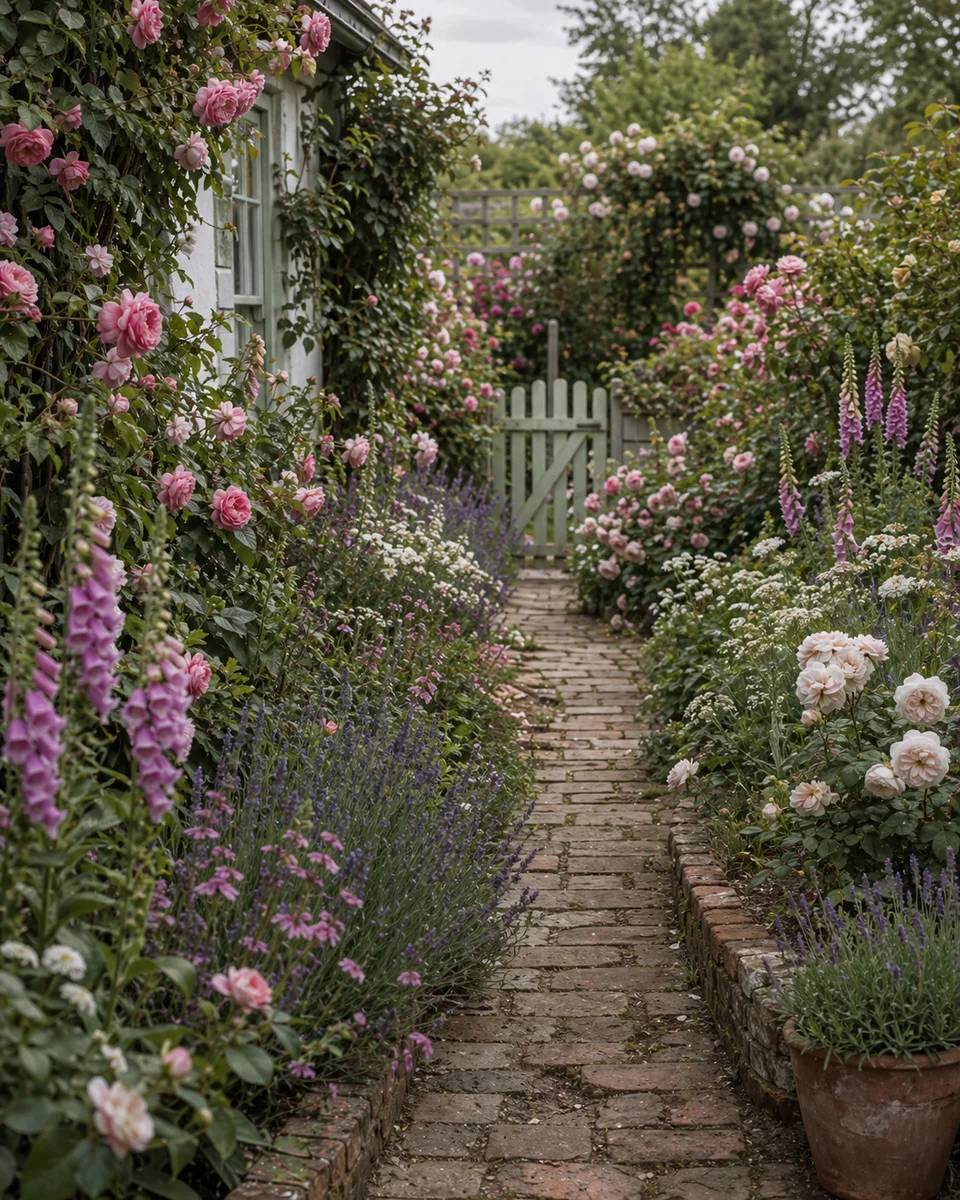
Growing Ferns in USDA Zone 4
Various genera
Yes. Ferns is rated for USDA zones 3–9 and zone 4 sits comfortably inside that range. Winter lows in zone 4 (-30°F to -20°F (-34°C to -29°C)) stay well within what ferns can tolerate without special protection.
- Zone
- 4
- Fit
- Hardy
- Low
- -30°F
- Sun
- Part shade
- Water
- Moderate
- Height
- 6 in – 4 ft
- Bloom
- None (spore producer)
- Type
- Perennial
Is ferns hardy in zone 4?
Yes. Ferns is rated for USDA zones 3–9 and zone 4 sits comfortably inside that range. Winter lows in zone 4 (-30°F to -20°F (-34°C to -29°C)) stay well within what ferns can tolerate without special protection.
Plant hardiness range: 3–9 · Zone 4 minimum: -30°F to -20°F (-34°C to -29°C)
When to plant ferns in zone 4
Plant ferns in zone 4 in spring once the soil can be worked, or in early fall. Zone 4 timing: May into early June. Start warm-season crops (tomatoes, peppers) indoors in April under grow lights. Last frost typically mid-May. Plant cool-season crops (peas, spinach, lettuce, onions) as soon as soil can be worked in April. Divide summer-blooming perennials after they leaf out. Site it in part shade and water on a moderate water schedule from day one.
How to care for ferns in zone 4's climate
Plant in rich, moist soil with dappled shade. Mulch with leaf mold or shredded leaves to retain moisture. Most species need consistent moisture — avoid sunny, dry spots. Native species like ostrich fern and Christmas fern are the toughest. In zone 4's summers, June through August. Warm days, cool nights — ideal for tomatoes, peppers, and flowering perennials. Peak bloom mid-July. Deadhead regularly for continuous color. Water deeply once or twice weekly rather than frequently and shallowly. Through zone 4 winters (-30°F to -20°F (-34°C to -29°C)), November through April. Apply mulch after ground freezes. Prune fruit trees during dormancy (February-March). Order seeds for next year in January. Start onions and leeks indoors in February, then tomatoes and peppers in March.
Common challenges in zone 4
Zone 4 growers planting ferns should watch for two regional pressures: Late frosts damaging spring blooms — Site early-blooming shrubs like magnolia and forsythia on the north side of buildings to delay flowering past typical frost dates. Cover tender perennials and fruit blossoms with frost blankets or burlap during late cold snaps. Avoid south-facing exposures that encourage premature blooming. Cold-injured rose canes — Plant own-root roses rather than grafted varieties. Mound 8-12 inches of soil or mulch over the crown in late fall and cover with rose cones where wind is an issue. Choose hardy shrub roses (Explorer, Parkland, Canadian Artist series) over hybrid teas — they recover better from winter dieback.
Alternative plants for zone 4
05Other picks tested for zone 4 (-30°F to -20°F (-34°C to -29°C)).
Design ideas that fit ferns
These idea pages link back to a zone page for ferns.
Keep exploring
Frequently Asked Questions
01 Is ferns hardy in USDA zone 4?
Yes. Ferns is rated for zones 3–9, and zone 4 (-30°F to -20°F (-34°C to -29°C)) sits comfortably inside that range.
02 When should I plant ferns in zone 4?
May into early June. Start warm-season crops (tomatoes, peppers) indoors in April under grow lights. Last frost typically mid-May. Plant cool-season crops (peas, spinach, lettuce, onions) as soon as soil can be worked in April. Divide summer-blooming perennials after they leaf out. Spring or fall planting both work — avoid setting transplants out during peak summer heat.
03 How much sun and water does ferns need in zone 4?
Ferns needs part shade and moderate water. In zone 4's summer climate, water deeply and infrequently rather than shallow daily sips, and mulch 2–3 inches to keep roots cool.