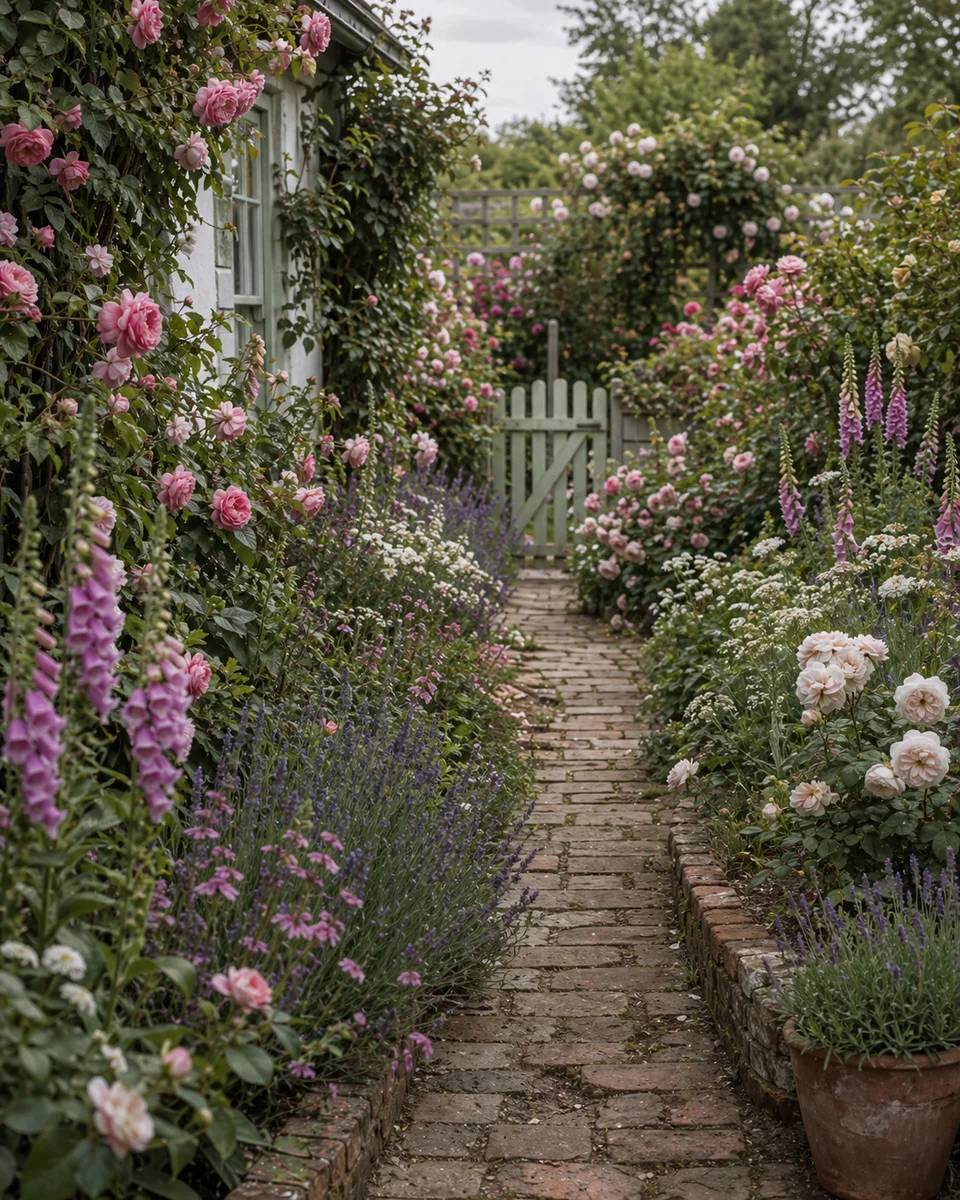
USDA Zone 4: Short Seasons, Big Rewards
Minimum winter temperatures: -30°F to -20°F (-34°C to -29°C)
USDA Zone 4 covers the northern tier of the continental United States and much of southern Canada. Winter lows reach -30°F; summers are warm but short, with 120-160 frost-free days between the last spring frost (mid-May) and the first fall frost (late September). Plant selection widens considerably compared to Zone 3, especially for flowering shrubs (lilac, mock orange, spirea), fruit trees (apples, pears, tart cherries), and the deep bench of cold-tolerant perennials (peonies, daylilies, hostas, coneflower, phlox). The regional gardening culture revolves around intensive summer production — farmers markets, CSAs, and home orchards thrive here. Vegetable gardens lean toward fast-maturing and cold-tolerant varieties, but most standard North American crops (tomatoes, peppers, squash, corn) grow well with transplants and proper timing. Snow cover is still protective but less reliable than Zone 3, so perennial mulching in late fall is essential to prevent freeze-thaw heaving during the inevitable winter warm spells.
Typical regions
Northern New England, upstate New York, northern Michigan, Wisconsin, Minnesota, Iowa, the Dakotas, Wyoming, Montana, and Idaho.
Challenges & solutions
- 01
Late frosts damaging spring blooms
Site early-blooming shrubs like magnolia and forsythia on the north side of buildings to delay flowering past typical frost dates. Cover tender perennials and fruit blossoms with frost blankets or burlap during late cold snaps. Avoid south-facing exposures that encourage premature blooming.
- 02
Cold-injured rose canes
Plant own-root roses rather than grafted varieties. Mound 8-12 inches of soil or mulch over the crown in late fall and cover with rose cones where wind is an issue. Choose hardy shrub roses (Explorer, Parkland, Canadian Artist series) over hybrid teas — they recover better from winter dieback.
- 03
Lawn damage from snow mold and salt
Rake compacted snow piles off grass early in spring to prevent mold. Use calcium chloride or sand instead of rock salt on walkways, and flush salt-exposed lawn areas with heavy spring watering. Overseed damaged areas with cold-tolerant Kentucky bluegrass or perennial ryegrass blends in early May.
- 04
Wind desiccation on evergreens
Water arborvitae, boxwood, and broadleaf evergreens deeply before the ground freezes. Apply anti-desiccant sprays (Wilt-Pruf, NuFilm) in late fall. Use burlap screens on the windward side of tender evergreens through the worst of winter.
- 05
Short season for long-maturing crops
Start tomatoes, peppers, eggplant, and melons indoors 8-10 weeks before transplant date. Use black plastic mulch to warm soil earlier. Choose short-season cultivars: Early Girl, Sungold, or Glacier for tomatoes; Ace or Early Jalapeno for peppers.
Seasonal guide
- spring
- May into early June. Start warm-season crops (tomatoes, peppers) indoors in April under grow lights. Last frost typically mid-May. Plant cool-season crops (peas, spinach, lettuce, onions) as soon as soil can be worked in April. Divide summer-blooming perennials after they leaf out.
- summer
- June through August. Warm days, cool nights — ideal for tomatoes, peppers, and flowering perennials. Peak bloom mid-July. Deadhead regularly for continuous color. Water deeply once or twice weekly rather than frequently and shallowly.
- fall
- First frost late September. Harvest warm-season crops by mid-September. Plant spring bulbs (tulips, daffodils) and garlic in October. Divide spring-blooming perennials after the first frost. Apply winter mulch once the ground freezes solid.
- winter
- November through April. Apply mulch after ground freezes. Prune fruit trees during dormancy (February-March). Order seeds for next year in January. Start onions and leeks indoors in February, then tomatoes and peppers in March.
Plants for zone 4
24Hand-matched picks that survive -30°F to -20°F (-34°C to -29°C) winters.
- Hostas Hosta spp.
Hostas are the go-to shade perennial. Huge, textured leaves ranging from electric chartreuse to deep blue-green to variegated. Low-maintenance once established, and they come back bigger and better every year.
Part shade Moderate - Roses Rosa spp.
Modern disease-resistant roses have eliminated most of the old "rose-growing is hard" mythology. Knock Out and Drift series bloom all season with zero spraying. Traditional hybrid teas still reward gardeners willing to work for them.
Full sun Moderate - Ferns Various genera
Ferns bring texture and movement to shady spots where most other plants refuse. Unfurling fiddleheads in spring feel like watching evolution replay. Native species are nearly indestructible once established.
Part shade Moderate - Astilbe Astilbe x arendsii
Astilbe fills the summer gap in shade gardens with airy, feathery plumes in pink, red, white, and lavender. Deer and rabbit resistant. A foolproof companion for hostas and ferns.
Part shade High - Ornamental Grasses Various genera
Ornamental grasses add sound, movement, and four-season structure. Seed heads catch morning light. Winter silhouettes add interest when everything else has died back. Almost maintenance-free once established.
Full sun Low - Coneflower Echinacea purpurea
Coneflowers are drought-tolerant prairie natives that bloom for months. Pollinators swarm them. Seed heads feed finches in winter. Perfect for low-maintenance, ecologically friendly gardens.
Full sun Low - Black-Eyed Susan Rudbeckia fulgida
Black-eyed Susans are the reliable workhorse of the sunny border. Golden petals around dark chocolate centers. Blooms from midsummer until frost. Spreads gracefully without being invasive.
Full sun Low - Russian Sage Perovskia atriplicifolia
Russian sage creates a lavender-blue haze from mid-summer through fall. Silvery foliage, aromatic leaves, and airy bloom spikes. Completely drought-tolerant once established.
Full sun Low - Sage Salvia officinalis
Common sage is both a staple culinary herb and an attractive ornamental. Silver-green leaves, short purple bloom spikes, and a sharp, savory flavor for meats and stuffings. Lives 5+ years with good care.
Full sun Low - Clematis Clematis spp.
Clematis delivers the biggest, showiest blooms of any climbing vine. Different pruning groups bloom at different times — plant several for flowers spring through fall. The secret: "head in the sun, feet in the shade."
Full sun (roots shaded) Moderate - Heuchera (Coral Bells) Heuchera spp.
Heuchera is the foliage rock star of shade gardens. Modern cultivars come in lime, caramel, peach, burgundy, silver, and nearly black. Delicate bloom spikes add charm. Easy, evergreen in mild climates.
Part shade Moderate - Peonies Paeonia lactiflora
Peonies can live 100+ years in the same spot. Spectacular late-spring blooms in pink, white, red, and coral. Plant once, enjoy for generations. The key is getting the planting depth right — too deep and they'll never bloom.
Full sun Moderate - Daylilies Hemerocallis spp.
Daylilies are nearly indestructible. They bloom in sun or part shade, tolerate poor soil, resist deer, and multiply quickly. Thousands of cultivars in every color except blue.
Full sun to part shade Moderate - Tulips Tulipa spp.
Tulips open the spring garden with jewel-tone cups in every color imaginable. Plant bulbs in fall for April–May bloom. Most modern hybrids fade after 2–3 years — treat them like annuals or choose species tulips that return reliably.
Full sun Low - Daffodils Narcissus spp.
Daffodils are the most dependable spring bulb. Deer ignore them, squirrels won't dig them, and they multiply quietly year after year. Plant once in fall and enjoy for decades.
Full sun to part shade Low - Iris Iris germanica
Bearded iris deliver some of the most elaborate blooms in any garden — ruffled falls, upright standards, and fragrance in shades no paint can match. Plant rhizomes at the surface, not buried, for healthy long-lived clumps.
Full sun Low - Salvia Salvia nemorosa
Perennial salvias produce upright spikes of blue, purple, or pink that bees and hummingbirds find irresistible. Drought-tolerant, deer-resistant, and they bloom again after a hard cutback in mid-summer.
Full sun Low - Garden Phlox Phlox paniculata
Tall garden phlox delivers fragrant, mounded flower heads from mid-summer through fall. Classic cottage-garden plant. Modern mildew-resistant varieties like "David" and "Jeana" finally make phlox easy to grow well.
Full sun to part shade Moderate - Bee Balm Monarda didyma
Bee balm is a hummingbird and bumblebee magnet. Shaggy red, pink, or purple blooms from mid-summer onward. North American native. Modern mildew-resistant varieties like "Jacob Cline" make it dependable.
Full sun to part shade Moderate - Sedum Sedum spp.
Sedums combine succulent toughness with four-season beauty. Upright "Autumn Joy" blooms pink-to-rust from late summer through winter. Creeping types cover hot, dry slopes where nothing else survives. Pollinators love the late-season flowers.
Full sun Low - Hellebore Helleborus spp.
Hellebores bloom when nothing else does — late winter into early spring. Nodding flowers in cream, pink, plum, and near-black. Evergreen foliage, deer-resistant, long-lived. The quiet hero of the shade garden.
Part shade to shade Moderate - Shasta Daisy Leucanthemum × superbum
Shasta daisies deliver the clean white-and-yellow daisy look everyone recognizes. Easy, long-lived, and excellent for cutting. "Becky" is the landscape standard — tall, sturdy stems that don't flop.
Full sun Moderate - Catmint Nepeta × faassenii
Catmint produces clouds of small blue-purple flowers from late spring into fall. Aromatic silver-green foliage deters deer. Drought-tolerant and shrubs off to revive after a mid-summer haircut. "Walker's Low" is the landscape standard.
Full sun Low - Rhododendron Rhododendron spp.
Rhododendrons combine massive spring bloom clusters with evergreen four-season presence. They want cool roots, acidic soil, and dappled shade. Get the siting right and they live for decades.
Part shade Moderate
Frequently Asked Questions
01 Can I grow fruit trees in Zone 4?
Yes — apples, pears, plums, and tart cherries thrive in Zone 4. Choose hardy rootstocks and cold-adapted varieties like Honeycrisp, Haralson, Wealthy, or Sweet Sixteen apple, Parker or Summercrisp pear, and Mount Royal plum. Skip peaches and sweet cherries outside of protected microclimates.
02 What flowering shrubs work in Zone 4?
Lilac, forsythia, spirea, ninebark, dogwood shrubs, hydrangea paniculata, smooth hydrangea (Annabelle), viburnum, and rugosa roses are all reliable. Avoid marginal species like crape myrtle, southern magnolia, and camellia — they will not survive a typical Zone 4 winter.
03 When is the last frost in Zone 4?
Typically mid-May, with variation from late April (southern/coastal Zone 4) to early June (higher elevation or continental interior). Check your local NOAA frost date data for your specific zip code — urban heat islands can shift dates by two weeks.
04 What is the earliest I can plant tomatoes in Zone 4?
Transplant outdoors after your last frost — typically May 15-30 depending on location. For earlier harvests, protect transplants with Wall O' Water or fabric row covers and use black plastic mulch to warm soil. Starting transplants indoors 6-8 weeks before the last frost date gives you 4-6 inch plants ready for the ground.