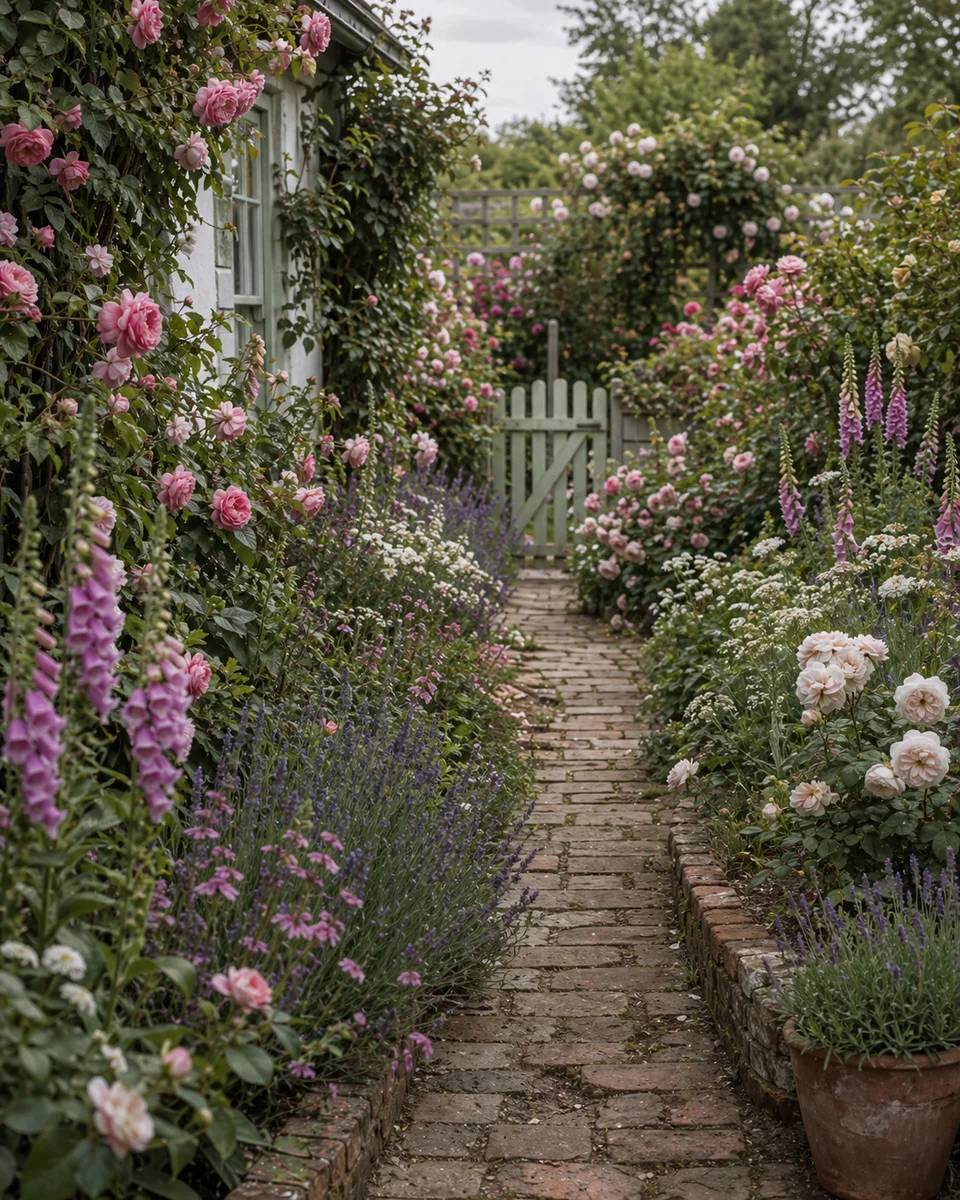
Zone 4

USDA Hardiness Zone 4: Plants & Garden Guide | Arden

Zone 4 garden guide — cold-hardy plants, regional tips, and season planning. Design your Zone 4 garden with Arden.

USDA Zone 4 covers the northern tier of the continental United States and much of southern Canada. Winter lows reach -30°F; summers are warm but short, with 120-160 frost-free days between the last spring frost (mid-May) and the first fall frost (late September). Plant selection widens considerably compared to Zone 3, especially for flowering shrubs (lilac, mock orange, spirea), fruit trees (apples, pears, tart cherries), and the deep bench of cold-tolerant perennials (peonies, daylilies, hostas, coneflower, phlox). The regional gardening culture revolves around intensive summer production — farmers markets, CSAs, and home orchards thrive here. Vegetable gardens lean toward fast-maturing and cold-tolerant varieties, but most standard North American crops (tomatoes, peppers, squash, corn) grow well with transplants and proper timing. Snow cover is still protective but less reliable than Zone 3, so perennial mulching in late fall is essential to prevent freeze-thaw heaving during the inevitable winter warm spells.

Northern New England, upstate New York, northern Michigan, Wisconsin, Minnesota, Iowa, the Dakotas, Wyoming, Montana, and Idaho.

Late frosts damaging spring blooms: Site early-blooming shrubs like magnolia and forsythia on the north side of buildings to delay flowering past typical frost dates. Cover tender perennials and fruit blossoms with frost blankets or burlap during late cold snaps. Avoid south-facing exposures that encourage premature blooming.

Cold-injured rose canes: Plant own-root roses rather than grafted varieties. Mound 8-12 inches of soil or mulch over the crown in late fall and cover with rose cones where wind is an issue. Choose hardy shrub roses (Explorer, Parkland, Canadian Artist series) over hybrid teas — they recover better from winter dieback.

Lawn damage from snow mold and salt: Rake compacted snow piles off grass early in spring to prevent mold. Use calcium chloride or sand instead of rock salt on walkways, and flush salt-exposed lawn areas with heavy spring watering. Overseed damaged areas with cold-tolerant Kentucky bluegrass or perennial ryegrass blends in early May.

Wind desiccation on evergreens: Water arborvitae, boxwood, and broadleaf evergreens deeply before the ground freezes. Apply anti-desiccant sprays (Wilt-Pruf, NuFilm) in late fall. Use burlap screens on the windward side of tender evergreens through the worst of winter.

Short season for long-maturing crops: Start tomatoes, peppers, eggplant, and melons indoors 8-10 weeks before transplant date. Use black plastic mulch to warm soil earlier. Choose short-season cultivars: Early Girl, Sungold, or Glacier for tomatoes; Ace or Early Jalapeno for peppers.

May into early June. Start warm-season crops (tomatoes, peppers) indoors in April under grow lights. Last frost typically mid-May. Plant cool-season crops (peas, spinach, lettuce, onions) as soon as soil can be worked in April. Divide summer-blooming perennials after they leaf out.

June through August. Warm days, cool nights — ideal for tomatoes, peppers, and flowering perennials. Peak bloom mid-July. Deadhead regularly for continuous color. Water deeply once or twice weekly rather than frequently and shallowly.

First frost late September. Harvest warm-season crops by mid-September. Plant spring bulbs (tulips, daffodils) and garlic in October. Divide spring-blooming perennials after the first frost. Apply winter mulch once the ground freezes solid.

November through April. Apply mulch after ground freezes. Prune fruit trees during dormancy (February-March). Order seeds for next year in January. Start onions and leeks indoors in February, then tomatoes and peppers in March.

FAQ

常见问题

01 Can I grow fruit trees in Zone 4?

Yes — apples, pears, plums, and tart cherries thrive in Zone 4. Choose hardy rootstocks and cold-adapted varieties like Honeycrisp, Haralson, Wealthy, or Sweet Sixteen apple, Parker or Summercrisp pear, and Mount Royal plum. Skip peaches and sweet cherries outside of protected microclimates.

02 What flowering shrubs work in Zone 4?

Lilac, forsythia, spirea, ninebark, dogwood shrubs, hydrangea paniculata, smooth hydrangea (Annabelle), viburnum, and rugosa roses are all reliable. Avoid marginal species like crape myrtle, southern magnolia, and camellia — they will not survive a typical Zone 4 winter.

03 When is the last frost in Zone 4?

Typically mid-May, with variation from late April (southern/coastal Zone 4) to early June (higher elevation or continental interior). Check your local NOAA frost date data for your specific zip code — urban heat islands can shift dates by two weeks.

04 What is the earliest I can plant tomatoes in Zone 4?

Transplant outdoors after your last frost — typically May 15-30 depending on location. For earlier harvests, protect transplants with Wall O' Water or fabric row covers and use black plastic mulch to warm soil. Starting transplants indoors 6-8 weeks before the last frost date gives you 4-6 inch plants ready for the ground.

iOS 和 Android 免费使用

Preview your garden with Arden AI

免费下载 Arden — 几秒钟内看到您的花园焕然一新。

无需信用卡,无需注册,直接出结果。

园艺爱好者正在使用 Arden