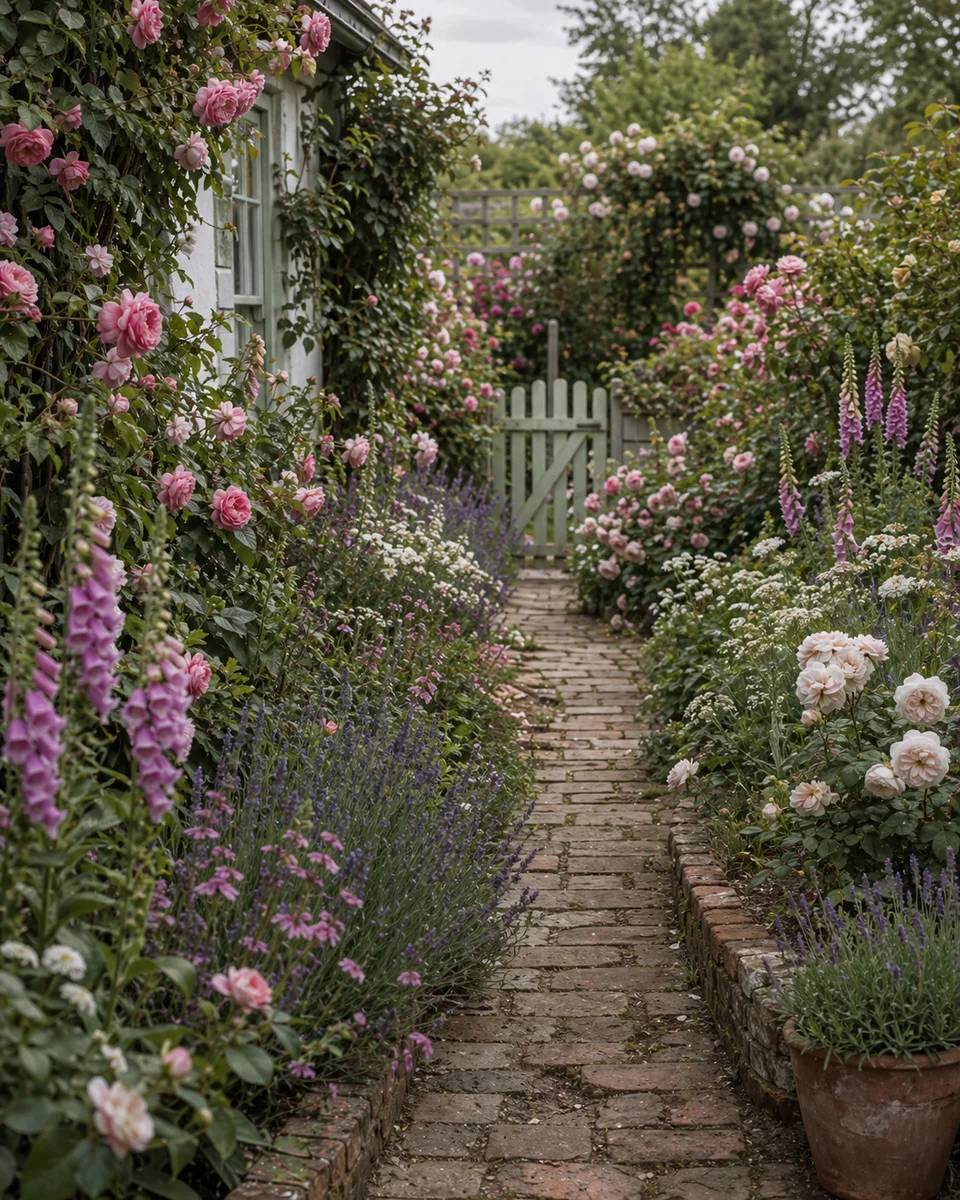
Magnolia: Ancient Beauty, Modern Garden
Magnolia spp.
Magnolias are living fossils — their ancestors bloomed before bees evolved. Saucer magnolia's pink spring goblets, star magnolia's white stars, and southern magnolia's evergreen grandeur cover nearly every zone.
Specifications
- Sun
- Full sun to part shade
- Water
- Moderate
- Hardiness zones
- 4–10 (varies by species)
- Height
- 15–80 ft
- Bloom time
- Spring or summer
Care & growing tips
Plant in rich, well-drained soil protected from hot afternoon sun. Mulch heavily to keep roots cool. Prune minimally — magnolias heal slowly. Plant in spring after last frost to protect fragile new growth.
Companion plants
03Find magnolia in your zone
15Zone-specific care, planting windows, and alternatives.
- Z4 Magnolia in Zone 4
- Z5 Magnolia in Zone 5
- Z6 Magnolia in Zone 6
- Z7 Magnolia in Zone 7
- Z7a Magnolia in Zone 7a
- Z7b Magnolia in Zone 7b
- Z8 Magnolia in Zone 8
- Z8a Magnolia in Zone 8a
- Z8b Magnolia in Zone 8b
- Z9 Magnolia in Zone 9
- Z9a Magnolia in Zone 9a
- Z9b Magnolia in Zone 9b
- Z10 Magnolia in Zone 10
- Z10a Magnolia in Zone 10a
- Z10b Magnolia in Zone 10b
Frequently Asked Questions
01 Why do my magnolia flowers turn brown?
Late frost damage — a classic problem with early-blooming saucer magnolias. Plant on the north or east side of the house to delay blooming past typical frost dates, or choose later-flowering varieties.
02 How big will my magnolia get?
Highly species-dependent. Star magnolia stays 15–20 feet. Saucer magnolia reaches 25–30 feet. Southern magnolia can hit 60–80 feet over decades. Check the cultivar before planting — 'Little Gem' is a compact Southern magnolia for small yards at 20 feet.
03 When should I plant a magnolia?
Early spring after the ground thaws — magnolia roots are fleshy and brittle, so they benefit from a full growing season to establish. Avoid fall planting in zones 5–6 where winter damage to young roots is a risk.