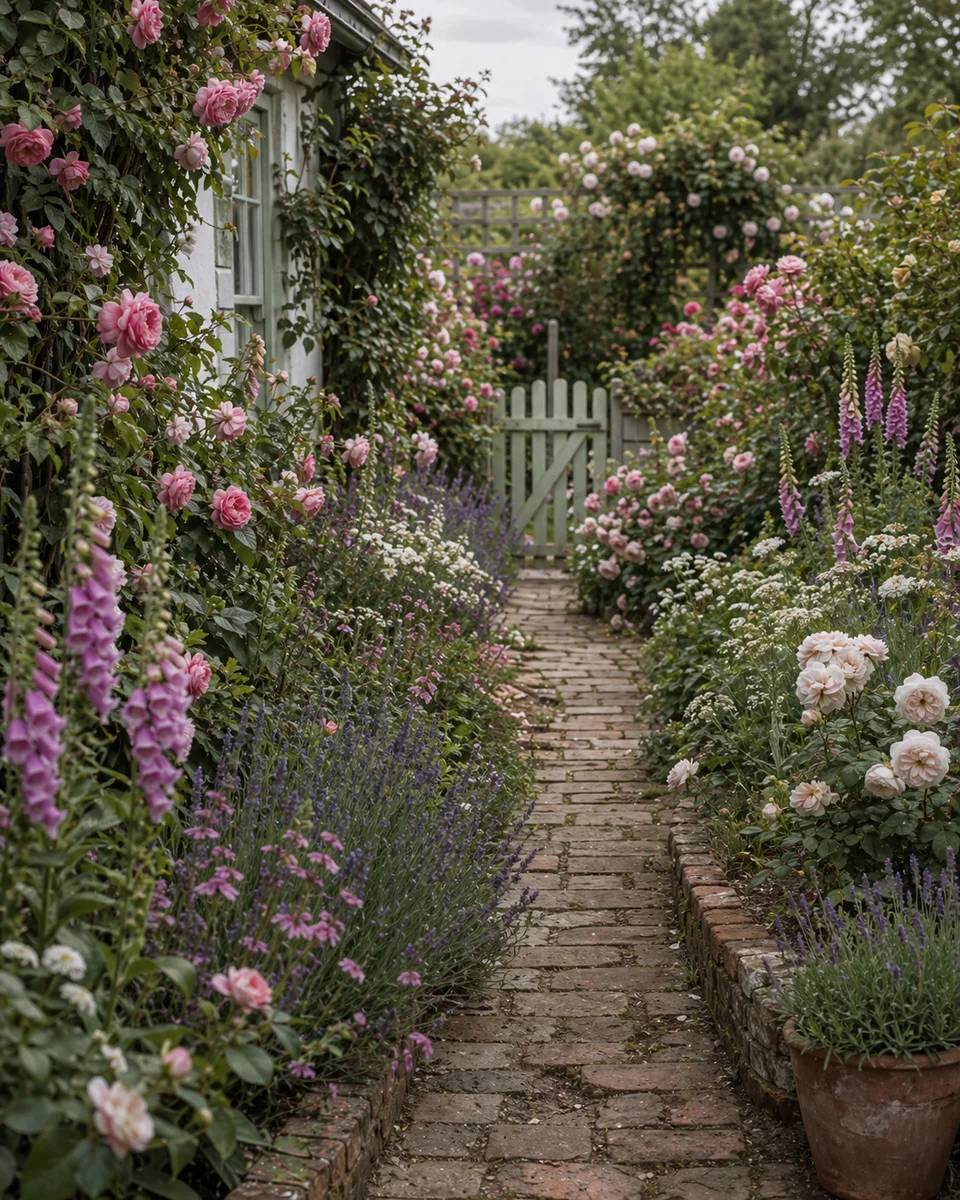
Growing Magnolia in USDA Zone 6
Magnolia spp.
Yes. Magnolia is rated for USDA zones 4–10 (varies by species) and zone 6 sits comfortably inside that range. Winter lows in zone 6 (-10°F to 0°F (-23°C to -18°C)) stay well within what magnolia can tolerate without special protection.
- Zone
- 6
- Fit
- Hardy
- Low
- -10°F
- Sun
- Full sun to part shade
- Water
- Moderate
- Height
- 15–80 ft
- Bloom
- Spring or summer
- Type
- Tree
Is magnolia hardy in zone 6?
Yes. Magnolia is rated for USDA zones 4–10 (varies by species) and zone 6 sits comfortably inside that range. Winter lows in zone 6 (-10°F to 0°F (-23°C to -18°C)) stay well within what magnolia can tolerate without special protection.
Plant hardiness range: 4–10 (varies by species) · Zone 6 minimum: -10°F to 0°F (-23°C to -18°C)
When to plant magnolia in zone 6
Plant magnolia in zone 6 in early spring before bud break, or in fall once the heat breaks. Zone 6 timing: March through May. Last frost typically mid-April. Longest reliable planting window of any zone — cool-season crops in March, warm-season after mid-May. Flowering trees (dogwood, redbud, cherry, magnolia) peak late March through April. Plant bareroot roses and fruit trees in March. Site it in full sun to part shade and water on a moderate water schedule from day one.
How to care for magnolia in zone 6's climate
Plant in rich, well-drained soil protected from hot afternoon sun. Mulch heavily to keep roots cool. Prune minimally — magnolias heal slowly. Plant in spring after last frost to protect fragile new growth. In zone 6's summers, June through September. Warm, humid, with afternoon thunderstorms. Mulch deeply (2-3 inches) to conserve moisture and cool roots. Peak perennial bloom mid-July. Deadhead repeat bloomers (salvia, roses, catmint) for continuous color. Water deeply once or twice weekly. Through zone 6 winters (-10°F to 0°F (-23°C to -18°C)), November through February. Mild but occasionally brutal cold snaps. Protect camellias, marginally hardy shrubs, and fall-planted perennials with winter mulch after ground freezes. Prune dormant fruit trees in January-February. Start onion and leek seeds indoors in February.
Common challenges in zone 6
Zone 6 growers planting magnolia should watch for two regional pressures: Heavy clay soils — Amend clay with 2-3 inches of compost and coarse sand annually before planting. Build raised beds 10-14 inches deep for vegetables. Choose clay-tolerant plants (daylily, coneflower, ornamental grasses, baptisia, aster) for problem areas. Never work clay when wet — it compacts into concrete. Deer pressure in suburban areas — Focus on deer-resistant plants: lavender, salvia, catmint, Russian sage, boxwood, spirea, bayberry, daffodils, and most ornamental grasses. Fence vegetable gardens with 8-foot deer fencing. Rotate deterrent sprays (Liquid Fence, Deer Out) every 4-6 weeks — deer quickly ignore a single product.
Alternative plants for zone 6
05Other picks tested for zone 6 (-10°F to 0°F (-23°C to -18°C)).
Keep exploring
Frequently Asked Questions
01 Is magnolia hardy in USDA zone 6?
Yes. Magnolia is rated for zones 4–10 (varies by species), and zone 6 (-10°F to 0°F (-23°C to -18°C)) sits comfortably inside that range.
02 When should I plant magnolia in zone 6?
March through May. Last frost typically mid-April. Longest reliable planting window of any zone — cool-season crops in March, warm-season after mid-May. Flowering trees (dogwood, redbud, cherry, magnolia) peak late March through April. Plant bareroot roses and fruit trees in March. Spring or fall planting both work — avoid setting transplants out during peak summer heat.
03 How much sun and water does magnolia need in zone 6?
Magnolia needs full sun to part shade and moderate water. In zone 6's summer climate, water deeply and infrequently rather than shallow daily sips, and mulch 2–3 inches to keep roots cool.