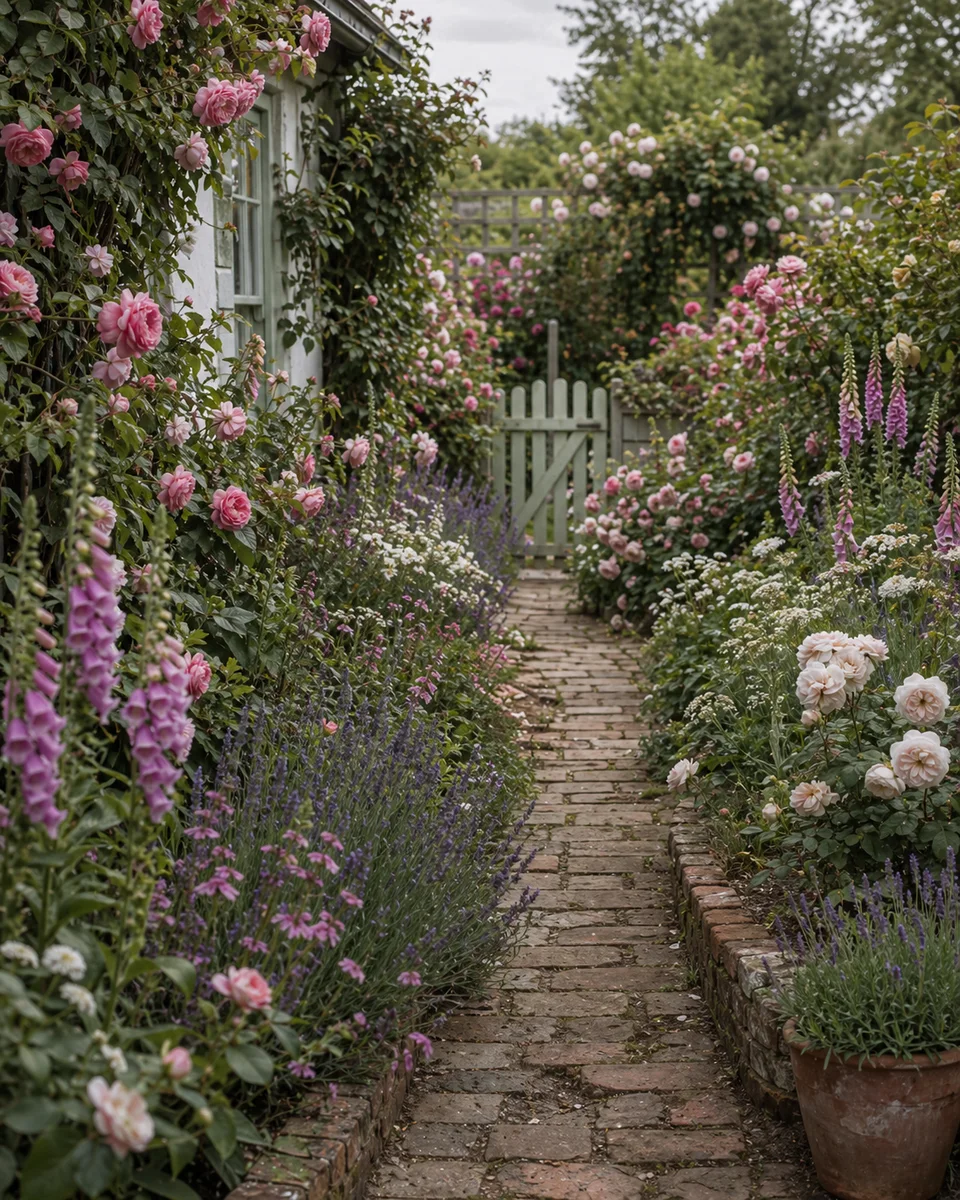
Growing Garden Phlox in USDA Zone 4a
Phlox paniculata
Marginally. Garden Phlox is rated for zones 4–8, and zone 4a is at the cold edge of that range. Site it in a sheltered microclimate — south-facing walls, courtyards, or wind-protected spots — and mulch heavily before the first hard freeze to buffer against winter lows of −30°F.
- Zone
- 4a
- Fit
- Marginal
- Low
- −30°F
- Sun
- Full sun to part shade
- Water
- Moderate
- Height
- 2–4 ft
- Bloom
- Mid-summer to fall
- Type
- Perennial
Is garden phlox hardy in zone 4a?
Marginally. Garden Phlox is rated for zones 4–8, and zone 4a is at the cold edge of that range. Site it in a sheltered microclimate — south-facing walls, courtyards, or wind-protected spots — and mulch heavily before the first hard freeze to buffer against winter lows of −30°F.
Plant hardiness range: 4–8 · Zone 4a minimum: −30°F to −25°F (−34.4°C to −31.7°C)
When to plant garden phlox in zone 4a
Plant garden phlox in zone 4a in spring once the soil can be worked, or in early fall. Zone 4a timing: May into early June. Whole Zone 4 last frost is typically mid-May, later in higher or more continental cells. 4a is the colder half, so match tomato and pepper planting to your NOAA station rather than a neighbor’s 4b date. The Zone 4 page still says warm-season transplants go out after last frost, often May 15–30, once you are past that station’s date. Cool-season crops can go in once the soil can be worked. Site it in full sun to part shade and water on a moderate water schedule from day one.
How to care for garden phlox in zone 4a's climate
Plant in rich, well-drained soil with good airflow. Water at soil level to prevent mildew. Pinch stems in late spring for bushier plants. Divide every 3–4 years. Deadhead to prevent seedlings that revert to muddy colors. In zone 4a's summers, June through August. Warm days and cool nights, the same window the Zone 4 page already describes. Water deeply once or twice a week. The half-zone difference is winter, not July. Through zone 4a winters (−30°F to −25°F (−34.4°C to −31.7°C)), November through April. This is when 4a separates from 4b. Lows near −30°F to −25°F are the published average extreme minimum, not a forecast for every night, and not a Zone 3 winter. Mulch after the ground freezes. Prune dormant fruit in February–March.
Common challenges in zone 4a
Zone 4a growers planting garden phlox should watch for two regional pressures: Winters that reach −30°F — Treat nursery “Zone 4” tags as a whole-band hint, then check the 2023 half-zone for your ZIP. In 4a, mulch after the ground freezes, the step the Zone 4 page already calls essential because snow cover is less reliable than in Zone 3. Do not copy a 4b calendar onto a parcel whose map cell is the colder half. Reading 4a as Zone 3 — 4a’s floor is −30°F to −25°F, not the −40°F to −30°F Zone 3 band. Plants rated for whole Zone 4 still belong here. Use Zone 3 guidance only when the USDA map actually returns Zone 3. Arden does not publish 3a or 3b guides.
Alternative plants for zone 4a
05Other picks tested for zone 4a (−30°F to −25°F (−34.4°C to −31.7°C)).
Keep exploring
Frequently Asked Questions
01 Is garden phlox hardy in USDA zone 4a?
Marginally. Garden Phlox is rated for zones 4–8 and zone 4a sits at the edge of that range — plant in a sheltered microclimate and protect through the worst of winter.
02 When should I plant garden phlox in zone 4a?
May into early June. Whole Zone 4 last frost is typically mid-May, later in higher or more continental cells. 4a is the colder half, so match tomato and pepper planting to your NOAA station rather than a neighbor’s 4b date. The Zone 4 page still says warm-season transplants go out after last frost, often May 15–30, once you are past that station’s date. Cool-season crops can go in once the soil can be worked. Spring or fall planting both work — avoid setting transplants out during peak summer heat.
03 How much sun and water does garden phlox need in zone 4a?
Garden Phlox needs full sun to part shade and moderate water. In zone 4a's summer climate, water deeply and infrequently rather than shallow daily sips, and mulch 2–3 inches to keep roots cool.