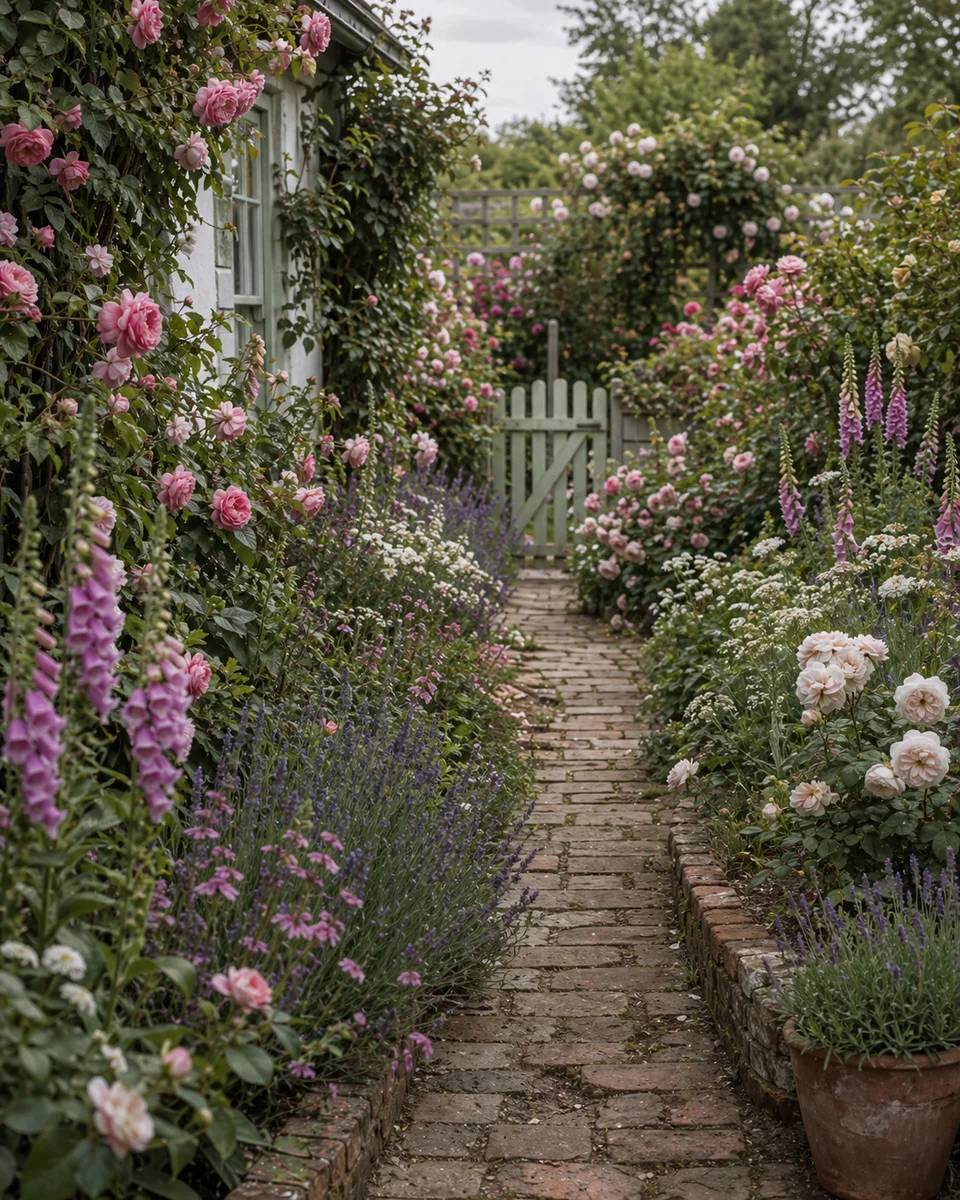
USDA Zone 8 เป็นดินแดนการจัดสวนแบบใต้คลาสสิก ฤดูร้อนที่ยาวและร้อนขับเคลื่อนการเติบโตแบบเขตร้อนที่ระเบิดพลัง ฤดูหนาวอ่อนโยนทำให้คามีเลีย gardenia และส้มทนหนาว (satsuma, Meyer lemon, kumquat) ขึ้นได้ในที่ที่ได้รับการปกป้อง ฤดูปลูกยาว 220-260 วันปลอดน้ำค้างแข็ง โดยน้ำค้างแข็งครั้งสุดท้ายมักปลายเดือนกุมภาพันธ์ถึงกลางเดือนมีนาคม และน้ำค้างแข็งครั้งแรกในปลายเดือนพฤศจิกายน วัฒนธรรมการจัดสวนของภูมิภาคนี้ได้รับอิทธิพลอย่างลึกซึ้งจากประเพณีภาคใต้: crape myrtle ในฐานะไม้ดอกฤดูร้อนที่เป็นเอกลักษณ์ สวนอะซาเลีย แปลงบ็อกซ์วูด Confederate jasmine บนผนังและรั้ว และการดูแลสนามหญ้าตลอดทั้งปีบนหญ้าเขตอุ่น (Bermuda, zoysia, St. Augustine) ความท้าทายเปลี่ยนจากความทนหนาวไปเป็นความทนความร้อน การจัดการความชื้น และการควบคุมมดคันไฟ พืชที่ต้องการความหนาวเย็นหลายชนิด (ทิวลิป พีโอนี ไลแลค) ล้มเหลวในโซน 8 หากไม่มีการจัดการพิเศษ — เลือกพันธุ์ผสมที่ปรับตัวเข้ากับภาคใต้หรือข้ามไปเลยเพื่อตัวเลือกที่เหมาะกว่าอย่าง Louisiana iris, oakleaf hydrangea และ dwarf magnolia
ชายฝั่งนอร์ทแคโรไลนา เซาท์แคโรไลนา จอร์เจีย แอละแบมา มิสซิสซิปปี ลุยเซียนา อาร์คันซอ พื้นที่ส่วนใหญ่ของเท็กซัส ที่ลุ่มนิวเม็กซิโก ระดับความสูงกลางของแอริโซนา แถบในของแคลิฟอร์เนีย และชายฝั่งแปซิฟิกตะวันตกเฉียงเหนือ
ความร้อนและความชื้นที่รุนแรงในฤดูร้อน: เลือกพันธุ์ผสมที่ทนความร้อน (ซีรีส์ Proven Winners Southern Living) รดน้ำให้ลึกในตอนเช้าตรู่ก่อน 9 โมงเพื่อลดการสูญเสียจากการระเหย คลุมดินหนา 3-4 นิ้วด้วยฟางสนหรือเปลือกไม้เนื้อแข็ง ให้ร่มเงาช่วงบ่ายแก่ไฮเดรนเยีย ฮอสตา และพืชที่ชอบเขตเย็นอื่น ๆ
มดคันไฟและโรคเชื้อรา: กำจัดรังมดคันไฟด้วยเหยื่อ (Amdro, Advion) ในฤดูใบไม้ผลิและฤดูใบไม้ร่วง — การหว่านทั่วได้ผลดีกว่าการใช้เฉพาะจุด เว้นระยะพืชเพื่อการไหลเวียนอากาศ เลือกพันธุ์ผสมที่ต้านทานโรคของกุหลาบ (ซีรีส์ Knock Out, Earth-Kind) มะเขือเทศ (ต้านทาน VFN) และ crape myrtle (Natchez, Miami)
ทิวลิปและพีโอนีไม่กลับมา: พืชที่ต้องการความหนาวเย็นหลายชนิดถือว่าโซน 8 อยู่ในขีดจำกัด แช่หัวทิวลิปในตู้เย็น 10-12 สัปดาห์ก่อนปลูก (พวกมันจะไม่ออกดอกซ้ำอย่างน่าเชื่อถือ — ถือเป็นไม้ล้มลุกอายุปีเดียว) เลือกพีโอนีพันธุ์ที่ปรับตัวเข้ากับภาคใต้ (Festiva Maxima, Sarah Bernhardt, Itoh hybrids) ปลูกตื้น ๆ โดยให้ตาอยู่ใต้ดินเพียง 1 นิ้ว
ความเสียหายจากพายุเฮอริเคนและพายุ (โซน 8 ชายฝั่ง): เลือกไม้ยืนต้นที่ต้านทานลม (live oak, baldcypress, southern magnolia, sabal palmetto) แทนพันธุ์ที่เปราะ (Bradford pear, Chinese tallow, ยูคาลิปตัส) ตัดแต่งให้เรือนยอดโปร่ง ค้ำต้นอ่อนอย่างเหมาะสมในช่วงสองปีแรก รักษาพื้นที่ให้ปลอดกิ่งอ่อนแอก่อนฤดูเฮอริเคน
ดินเหนียวที่น้ำขังในภาคตะวันออกเฉียงใต้: สร้างแปลงยกสูง 10-14 นิ้วสำหรับผักในดินเหนียวภาคตะวันออกเฉียงใต้ ปรับปรุงแปลงเดิมด้วยวัสดุปรับสภาพดินจากเปลือกสน 2-3 นิ้วและปุ๋ยหมักทุกปี เลือกพืชทนดินเหนียว (oakleaf hydrangea, Louisiana iris, เดย์ลิลลี, Aucuba) สำหรับการปลูกลงดิน
กุมภาพันธ์ถึงเมษายน น้ำค้างแข็งครั้งสุดท้ายมักปลายเดือนกุมภาพันธ์ถึงกลางเดือนมีนาคม ช่วงปลูกที่ยืดยาว — พืชฤดูเย็นมักรอดผ่านฤดูหนาว อะซาเลียบานสูงสุดในปลายเดือนมีนาคม-ต้นเดือนเมษายน ปลูกผักฤดูอุ่น (มะเขือเทศ พริก สควอช) หลังดินอุ่นในกลางเดือนมีนาคม
พฤษภาคมถึงกันยายน ร้อน ชื้น พร้อมพายุฝนฟ้าคะนองช่วงบ่าย ปลูกไม้ล้มลุกที่ชอบความร้อน (zinnia, lantana, pentas, angelonia) ไม้ยืนต้นฤดูเย็นส่วนใหญ่หยุดพัก รดน้ำให้ลึกสัปดาห์ละสองครั้ง ตัดไม้ยืนต้นที่ยืดยาวให้สั้นในเดือนกรกฎาคมเพื่อให้ออกดอกซ้ำในเดือนกันยายน
ตุลาคมเข้าสู่เดือนธันวาคม น้ำค้างแข็งครั้งแรกมักไม่มาจนถึงปลายเดือนพฤศจิกายน ฤดูที่ดีที่สุดสำหรับผักฤดูเย็น แพนซี ไวโอลา และไม้ยืนต้นที่ปลูกในฤดูใบไม้ร่วง ปลูกไม้ยืนต้นและไม้พุ่ม — ดินเย็นในฤดูใบไม้ร่วงบวกฝนฤดูหนาวช่วยตั้งรากก่อนความเครียดในฤดูร้อน
ธันวาคมถึงกุมภาพันธ์ อ่อนโยนพร้อมการแช่แข็งรุนแรงเป็นครั้งคราว ปกป้องคามีเลียและส้มในช่วงอากาศหนาวด้วยผ้ากันน้ำค้างแข็งหรือไฟคริสต์มาส (เพื่อความร้อน) ตัดแต่งกุหลาบในปลายเดือนมกราคม ปลูกกุหลาบและไม้ผลแบบรากเปลือยในเดือนกุมภาพันธ์
คำถามที่พบบ่อย
01 ฉันปลูกส้มในโซน 8 ได้หรือไม่?
ชนิดทนหนาวได้ — ส้ม satsuma mandarin, Meyer lemon, kumquat และ changsha tangerine รอดผ่านฤดูหนาวของโซน 8 โดยเฉพาะในภูมิอากาศย่อยติดผนังทิศใต้ พันลำต้นด้วยฉนวนและคลุมใบในช่วงแช่แข็งต่ำกว่า 25°F คาดว่าจะมีการตายลงเป็นครั้งคราวในช่วงเหตุการณ์โพลาร์วอร์เท็กซ์ในโซน 8 ตอนเหนือ
02 ไม้ล้มลุกฤดูร้อนชนิดใดทนความร้อนของโซน 8?
Zinnia, lantana, pentas, angelonia, vinca (Catharanthus), purslane, sunpatiens และ torenia เติบโตได้ดีในความร้อนฤดูร้อน ข้ามไม้ล้มลุกที่ชอบความเย็นอย่างพิทูเนีย แพนซี และไวโอลาในช่วงฤดูร้อนสูงสุด — พวกมันจะกลับมาในฤดูใบไม้ร่วง Caladium และ coleus โดดเด่นในแปลงกึ่งร่มเงาในฤดูร้อน
03 น้ำค้างแข็งครั้งสุดท้ายในโซน 8 เมื่อใด?
ปลายเดือนกุมภาพันธ์ถึงกลางเดือนมีนาคม โซน 8 ชายฝั่งที่อุ่นกว่า (Savannah, Charleston, Houston) เห็นน้ำค้างแข็งครั้งสุดท้ายในกลางเดือนกุมภาพันธ์ ส่วนโซน 8 แถบในที่หนาวกว่าอาจเห็นน้ำค้างแข็งไปจนถึงปลายเดือนมีนาคม ตรวจสอบข้อมูลน้ำค้างแข็งของ NOAA สำหรับรหัสไปรษณีย์ของคุณ
04 ฉันปลูกพีโอนีในโซน 8 ได้หรือไม่?
ได้ ถ้าเลือกพันธุ์ที่เหมาะสม พีโอนีไฮบริดแบบ intersectional (Itoh) และพันธุ์ดั้งเดิมที่ออกดอกเร็ว (Festiva Maxima, Sarah Bernhardt) ให้ผลดีที่สุด ปลูกตาตื้น ๆ (ใต้ดิน 1 นิ้ว) และให้ร่มเงาช่วงบ่าย Tree peony มักให้ผลดีกว่าพีโอนีล้มลุกในโซน 8