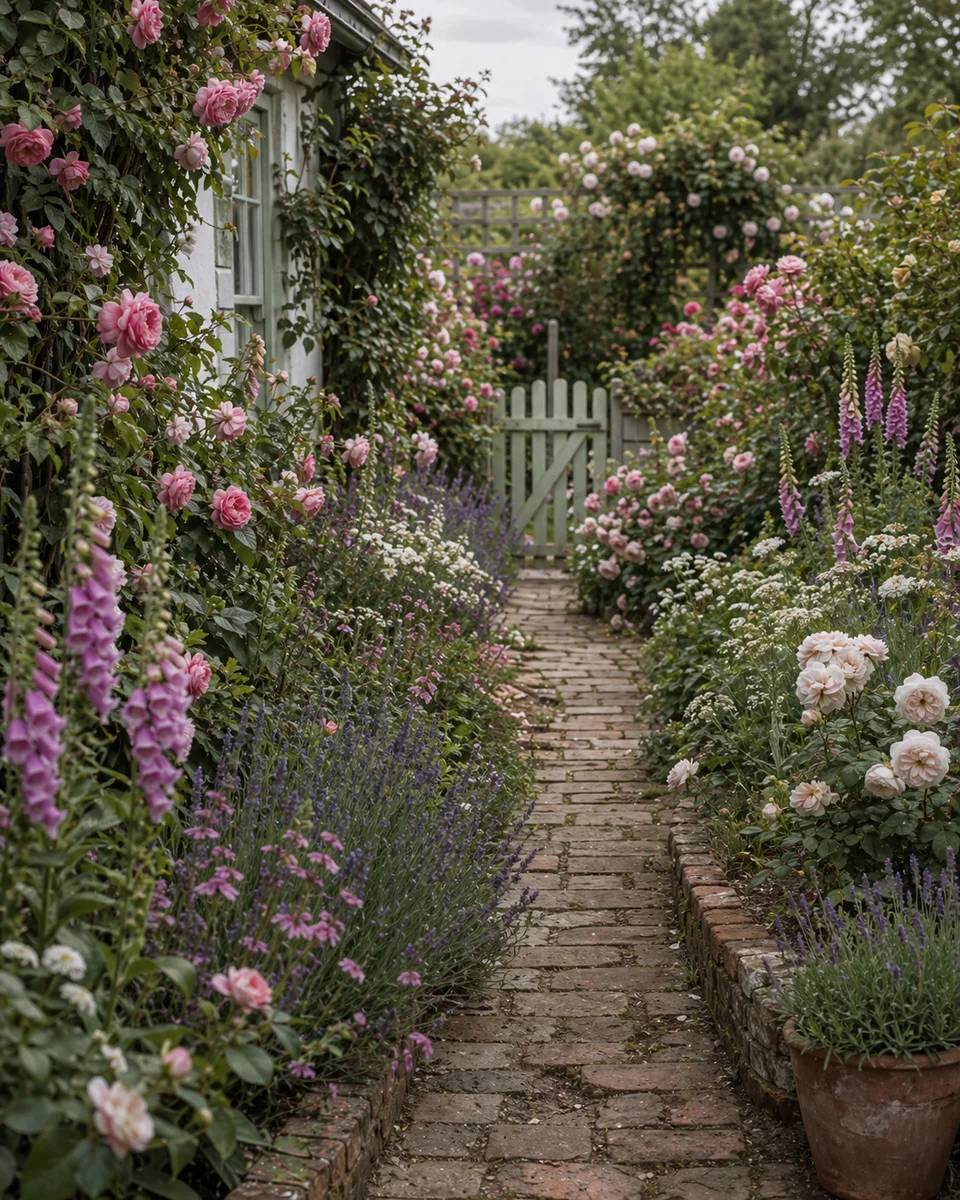
Zona USDA 3 adalah zona berkebun terdingin yang akan ditemui sebagian besar pekebun rumahan. Musim dingin secara rutin anjlok hingga -40°F, dengan musim tanam pendek hanya 90 sampai 120 hari bebas embun beku di antara embun beku musim semi terakhir (akhir Mei hingga awal Juni) dan embun beku musim gugur pertama (awal September). Pemilihan tanaman adalah segalanya — Anda membutuhkan varietas yang dibudidayakan untuk ketahanan dingin sejati, bukan sekadar "tahan" dalam pengertian pemasaran. Budaya berkebun regional cenderung pada pertanian rumahan yang praktis: sayuran musim pendek, tanaman keras asli padang rumput, buah beri seperti haskap dan kismis tahan dingin, serta tradisi mendalam memulai benih di dalam ruangan untuk memperpanjang jendela tanam. Lapisan salju justru menjadi sekutu — selimut salju yang andal setebal 12-24 inci melindungi mahkota tanaman keras jauh lebih efektif daripada mulsa apa pun. Bagian tersulit dari Zona 3 bukanlah dinginnya itu sendiri, melainkan ketiadaan lapisan salju yang dapat diprediksi pada musim dingin yang belakangan ini lebih hangat, yang membuat tanaman terpapar siklus beku-cair yang melemahkan atau membunuhnya secara langsung.
Minnesota bagian utara, North Dakota, Montana bagian utara, pedalaman Alaska, dan sebagian besar padang rumput Kanada (Winnipeg, Saskatoon, Edmonton).
Musim tanam pendek: Mulai benih di dalam ruangan 8-10 minggu sebelum embun beku terakhir. Pilih varietas sayuran yang cepat matang (kurang dari 70 hari hingga panen) dan gunakan penutup baris atau terowongan rendah untuk memperpanjang musim di kedua ujungnya. Bingkai dingin sederhana memberi tambahan 3-4 minggu di kedua sisi jendela embun beku.
Ayunan suhu musim dingin yang ekstrem: Beri mulsa tebal pada tanaman keras (4-6 inci jerami atau serpihan kayu) setelah beku keras pertama untuk mencegah pengangkatan akibat beku-cair. Tempatkan tanaman lunak di sisi utara atau timur bangunan tempat suhu lebih stabil. Lapisan salju adalah isolator terbaik — timbun salju hasil sekop ke bedeng taman alih-alih membersihkannya.
Pilihan tanaman terbatas: Fokuslah pada spesies asli padang rumput, tanaman asli Siberia dan Eropa Utara, serta kultivar yang khusus dibudidayakan untuk ketahanan dingin (cari label "Zona 3" atau lebih rendah). Sumber tepercaya: Jung Seed, Prairie Moon Nursery, Johnny's Selected Seeds untuk sayuran; seri "Endless Summer" dan "First Editions" dari Bailey Nurseries untuk semak tahan dingin.
Pengeringan musim dingin pada tanaman hijau abadi: Siram tanaman hijau abadi (terutama arborvitae dan yew) secara mendalam tepat sebelum tanah membeku. Pasang tirai pelindung angin dari kain goni di sisi yang terpapar sepanjang musim dingin. Hindari menempatkan tanaman hijau abadi berdaun lebar di lokasi terbuka menghadap selatan tempat sinar matahari musim dingin mempercepat kehilangan kelembapan.
Embun beku akhir musim semi merusak buah: Tanam pohon buah di lereng menghadap utara untuk menunda pembungaan melewati tanggal embun beku biasa. Pilih kultivar yang dibudidayakan untuk kondisi utara: apel Honeycrisp dan Haralred, pir Parker, prem Mount Royal, dan buah beri haskap tahan dingin (Borealis, Aurora).
Akhir April hingga Mei. Mulai sebagian besar sayuran di dalam ruangan pada pertengahan Maret di bawah lampu tumbuh. Tabur langsung kacang polong, bayam, dan selada segera setelah tanah mencair (sering kali akhir April). Embun beku terakhir biasanya akhir Mei hingga awal Juni. Tanam tanaman keras tahan dingin (daylily, coneflower) setelah bahaya embun beku berlalu.
Pendek tetapi intens — jam siang yang panjang (hingga 18 jam menjelang titik balik matahari) mendorong pertumbuhan pesat. Puncak pembungaan Juni-Agustus. Siram secara mendalam selama masa kering; periksa tanaman pot setiap hari pada kondisi berangin. Pangkas semak berbunga segera setelah berbunga untuk menjaga kuncup tahun depan.
Embun beku pertama tiba pada awal September di sebagian besar wilayah. Panen tanaman yang peka dingin (tomat, paprika, labu) pada pertengahan September. Tanam umbi musim semi (tulip, daffodil, crocus) dan bagi tanaman keras pada September. Tutup tanaman keras berdaya tarik musim dingin seperti rumput Karl Foerster saat salju mulai turun.
Panjang dan keras — Desember hingga Maret. Lindungi semak dari pengeringan akibat angin dengan tirai kain goni. Bersihkan salju tebal dari cabang tanaman hijau abadi untuk mencegah patah. Rencanakan taman tahun depan, pesan benih pada Januari, dan mulai benih di bawah lampu pada pertengahan Februari untuk tanaman musim hangat.
Pertanyaan yang Sering Diajukan
01 Sayuran apa yang tumbuh paling baik di Zona 3?
Tanaman tahan dingin yang cepat matang: kacang polong, bayam, selada, kale, wortel, lobak, kentang, dan buncis semak musim pendek. Pilih varietas tomat di bawah 70 hari (Sub Arctic, Glacier, Early Girl) dan gunakan pemanjang musim seperti Wall O' Water atau penutup baris. Brassica (brokoli, kubis, kembang kol) tumbuh subur di musim panas yang sejuk.
02 Apa tanaman keras Zona 3 yang paling andal?
Daylily, coneflower, bee balm, peony, iris, hosta, bleeding heart, iris Siberia, ligularia, dan tanaman asli padang rumput seperti Joe Pye weed dan butterfly weed. Sebagian besar spesies dengan peringkat Zona 2 atau 3 akan tumbuh subur. Hindari tanaman keras yang marginal seperti lavender, Russian sage di lokasi terbuka, dan tanaman apa pun berperingkat Zona 4 tanpa perlindungan.
03 Bisakah saya menanam pohon buah di Zona 3?
Bisa, dengan kultivar yang tepat. Apel tahan dingin (Honeycrisp, Haralred, Frostbite), pir Parker, prem Mount Royal, dan buah beri haskap tahan dingin (Borealis, Aurora) semuanya tumbuh subur. Lewati persik, sebagian besar ceri manis, dan aprikot — semuanya tidak akan bertahan dengan andal di musim dingin Zona 3.
04 Kapan embun beku terakhir di Zona 3?
Biasanya akhir Mei hingga awal Juni, dengan variasi signifikan menurut iklim mikro dan ketinggian. Wilayah perkotaan yang lebih hangat (Edmonton, Winnipeg) mungkin mengalami embun beku terakhir pada pertengahan Mei; pedesaan Saskatchewan atau Minnesota bagian utara sering mengalami embun beku terakhir hingga awal Juni. Selalu periksa stasiun NOAA atau Environment Canada spesifik Anda untuk tanggal embun beku yang akurat.