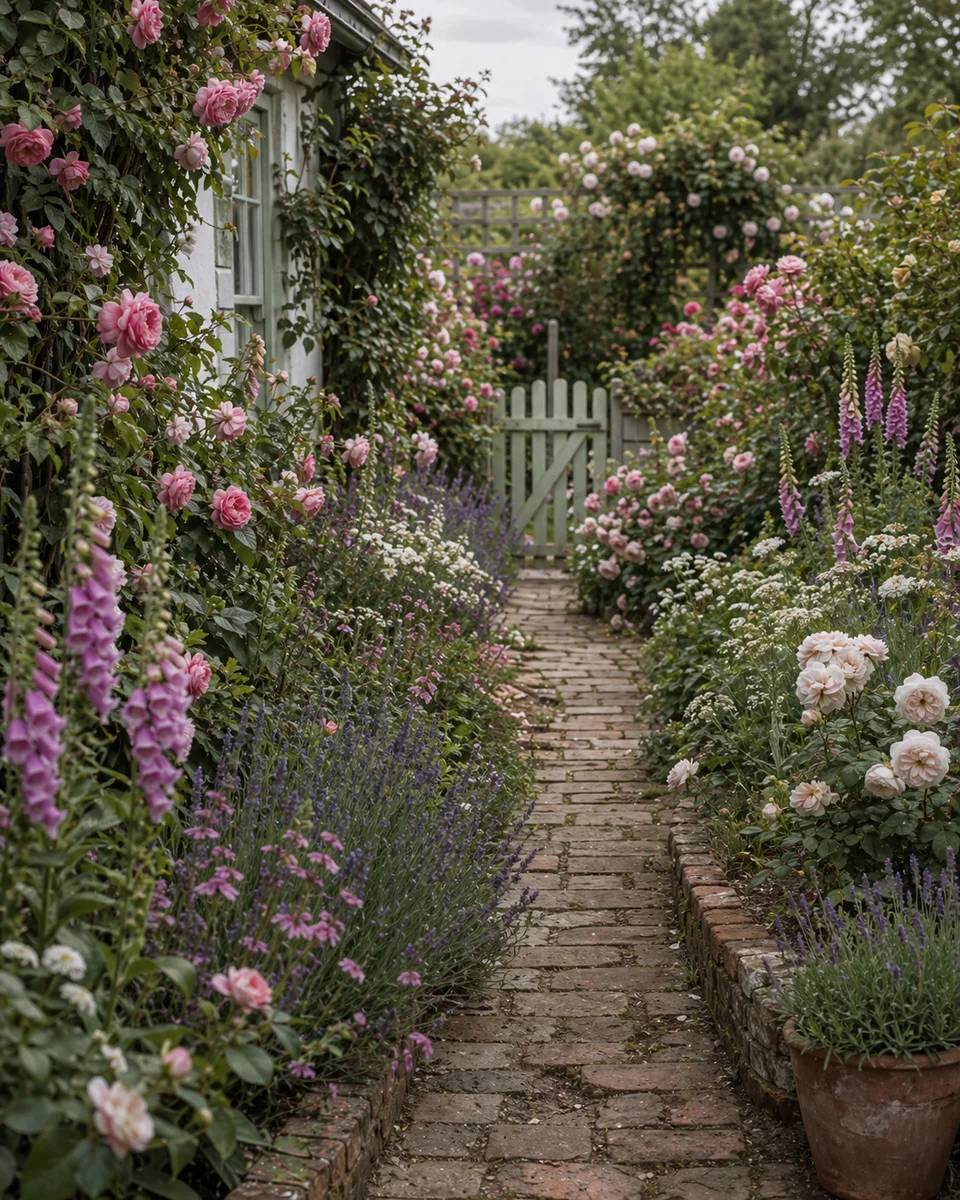
Wisteria: Cascading Purple Drama
Wisteria frutescens
Wisteria is the queen of cascading vines — 12-inch panicles of fragrant purple flowers dripping from pergolas. Choose native American wisteria (W. frutescens) over Asian species to avoid invasive problems. Needs a sturdy, massive support.
Specifications
- Sun
- Full sun
- Water
- Moderate
- Hardiness zones
- 5–9
- Height
- 15–30 ft
- Bloom time
- Late spring to early summer
Care & growing tips
Plant in deep, well-drained soil in full sun. Build a heavy-duty support — mature wisteria is tree-weight. Prune twice: mid-summer (cut new growth to 6 leaves) and late winter (cut back to 2–3 buds) to force blooming. Avoid nitrogen fertilizers.
Companion plants
03Find wisteria in your zone
11Zone-specific care, planting windows, and alternatives.
Frequently Asked Questions
01 Why doesn't my wisteria bloom?
Most common reason: too much nitrogen (from lawn fertilizer runoff or rich soil). Also: too much shade, wrong pruning, or a seedling plant that may take 10+ years to bloom. Buy grafted named cultivars for reliable flowering.
02 Is wisteria invasive?
Chinese and Japanese wisteria are highly invasive in the southeastern US and should not be planted. American wisteria (Wisteria frutescens) is native, less aggressive, and blooms on new wood. Kentucky wisteria (W. macrostachya) is also a safe native option.
03 How strong does the support need to be?
Serious structural engineering. Mature wisteria vines weigh hundreds of pounds and can crush lattice, pull down pergolas, and strangle small trees. Use 4×4 posts minimum, heavy-gauge cable, or cement-anchored arbors. Cheap trellises will fail within a few years.