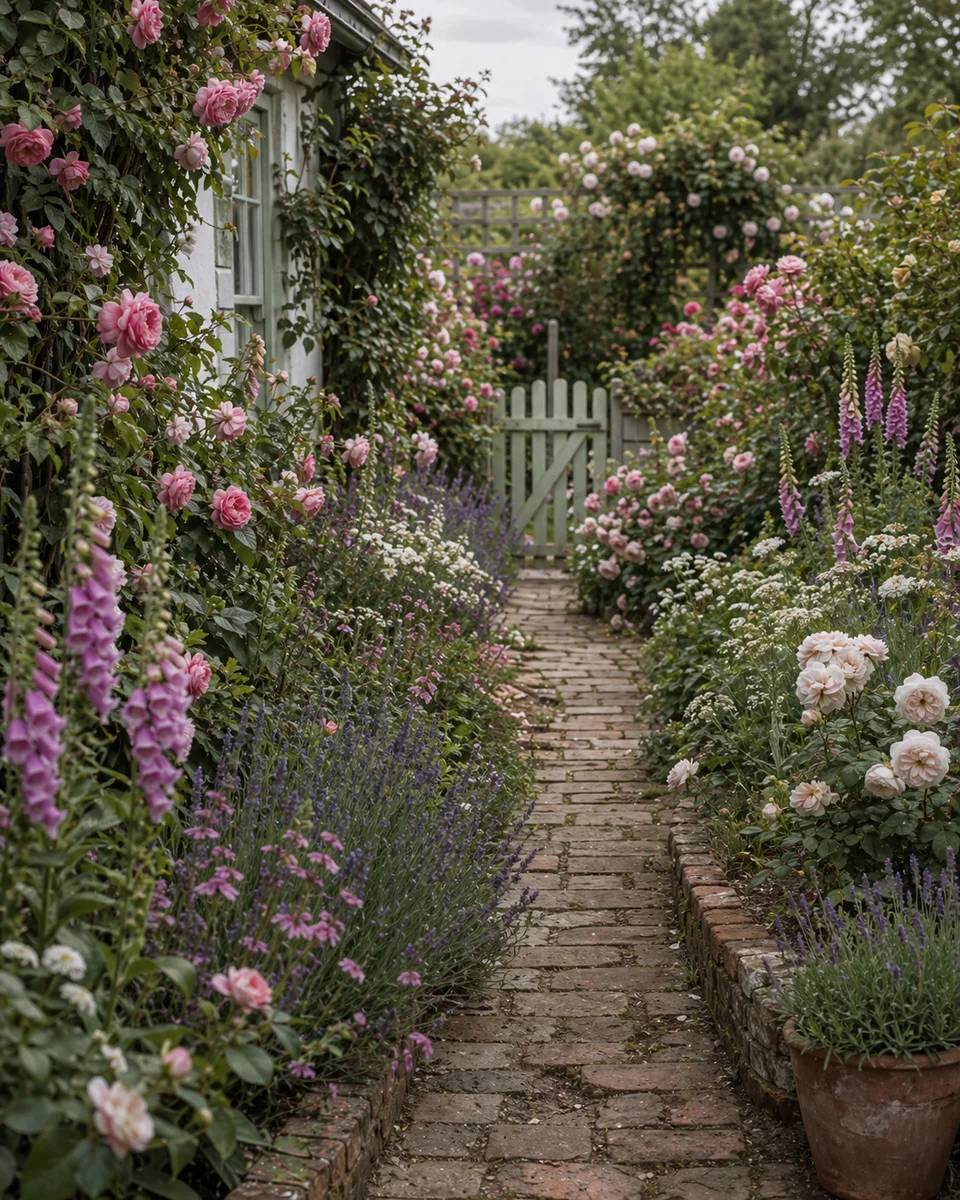
USDA Zone 9: Subtropical Abundance
Minimum winter temperatures: 20°F to 30°F (-7°C to -1°C)
USDA Zone 9 marks the transition into subtropical gardening. Frost is rare and brief; citrus (oranges, grapefruit, lemons), bougainvillea, hibiscus, and many palms thrive outdoors year-round. The growing season never truly stops — there is always something to plant or harvest. Frost-free periods average 280-330 days, with occasional light frost possible in December-February depending on location. The regional gardening culture is sharply different between Florida, the Gulf Coast, California, and desert Arizona — each has developed its own plant palette and cultural traditions. Florida gardens lean tropical (hibiscus, crotons, bromeliads, bougainvillea); California Zone 9 favors Mediterranean (lavender, rosemary, olive, agave, succulents); desert Zone 9 (Phoenix, Tucson) centers on xeriscape (mesquite, palo verde, ocotillo, desert marigold). Year-round pest pressure (whitefly, scale, thrips, spider mites) is significant, and nematode damage in sandy Florida soils is a constant concern. Soil testing and amendment matter more here than almost anywhere else.
USDA half-zones
The 2023 USDA map splits each 10°F zone into published 5°F half-zones. Arden publishes half-zone guides only where we cite those bands (currently 7a / 7b through 11a / 11b) — not a full a/b matrix for every zone.
Typical regions
Central and north Florida, coastal Gulf states, south Texas, most of central and southern California, and Arizona desert valleys.
Challenges & solutions
- 01
Lack of winter chill for traditional fruits
Choose low-chill varieties of apples (Anna, Dorsett Golden), peaches (Tropic Beauty, Florida Prince), and plums (300-400 chill hours or less). Traditional tulips, peonies, and lilacs generally fail — substitute with warm-climate equivalents (amaryllis, Louisiana iris, Chinese fringe-flower).
- 02
Year-round pest pressure
Scout regularly for whitefly, thrips, scale, and spider mites. Use integrated pest management — beneficial insects (ladybugs, lacewings), horticultural oils (neem, summer oil), and insecticidal soap. Rotate vegetable crops in beds to break pest and disease cycles.
- 03
Salt spray in coastal areas
Plant salt-tolerant species: oleander, sea grape, lantana, ornamental grasses (muhly, dune grass), bougainvillea, and Indian hawthorn. Rinse foliage after storms to reduce salt buildup. Use windbreaks (sabal palmetto, yaupon holly) on exposed coastal sites.
- 04
Sandy nematode-infested soils (Florida)
Add 2-3 inches of compost and pine bark annually to sandy soils to build organic matter. Use nematode-resistant tomato cultivars (Celebrity, Better Boy VFN, Park's Whopper). Plant French marigolds as cover crop between vegetable seasons to suppress root-knot nematode populations.
- 05
Extreme desert heat (Phoenix, Tucson Zone 9)
Water deeply before sunrise using drip irrigation. Mulch 3-4 inches deep with inorganic mulch (decomposed granite) in desert gardens. Provide afternoon shade (40-50% shade cloth) for vegetable beds in May-September. Choose desert-adapted plants (desert marigold, red yucca, lantana, ocotillo).
Seasonal guide
- spring
- February through April. Plant nearly anything — tomatoes, peppers, squash, and flowers all thrive. Last frost typically late January to mid-February. Azaleas peak in March. Citrus blooms. Major vegetable garden planting window.
- summer
- May through October. Hot, humid (Florida) or hot-dry (desert Zone 9), with intense thunderstorms. Most cool-season crops pause entirely. Plant heat-lovers — okra, sweet potatoes, southern peas, Malabar spinach, and tropical annuals. Many summer gardens intentionally go fallow June-August.
- fall
- October through December. Transition back to cool-season crops. Prime time for leafy greens (lettuce, kale, collards), cole crops (broccoli, cabbage, cauliflower), and cool-season flowers (pansies, violas, snapdragons). First light frost may arrive December.
- winter
- December through February. Mild with occasional cold snaps — covers essential for tender tropicals during any forecast below 32°F. Best time for citrus pruning, dormant-season tasks, and bareroot tree planting. Roses get their hard prune in January.
Plants for zone 9
24Hand-matched picks that survive 20°F to 30°F (-7°C to -1°C) winters.
- Lavender Lavandula angustifolia
Lavender is the iconic sun-loving Mediterranean perennial. Silvery foliage, purple flower spikes, and a fragrance that feels like summer afternoons in Provence. It thrives on neglect — too much water or shade is the fastest way to kill it.
Full sun Low - Hostas Hosta spp.
Hostas are the go-to shade perennial. Huge, textured leaves ranging from electric chartreuse to deep blue-green to variegated. Low-maintenance once established, and they come back bigger and better every year.
Part shade Moderate - Japanese Maple Acer palmatum
A Japanese maple is the quiet showstopper of any garden. Lacy, deeply cut leaves. Silhouettes that look deliberately sculpted. Fall color that ranges from fire-engine red to deep burgundy. One tree can anchor an entire landscape.
Part sun Moderate - Hydrangea Hydrangea macrophylla
Hydrangeas deliver oversized, soft flower heads in blues, pinks, purples, and whites. The famous color-shift trick — acidic soil for blue, alkaline for pink — still fascinates gardeners. Plant once, enjoy for decades.
Part sun High - Roses Rosa spp.
Modern disease-resistant roses have eliminated most of the old "rose-growing is hard" mythology. Knock Out and Drift series bloom all season with zero spraying. Traditional hybrid teas still reward gardeners willing to work for them.
Full sun Moderate - Ferns Various genera
Ferns bring texture and movement to shady spots where most other plants refuse. Unfurling fiddleheads in spring feel like watching evolution replay. Native species are nearly indestructible once established.
Part shade Moderate - Ornamental Grasses Various genera
Ornamental grasses add sound, movement, and four-season structure. Seed heads catch morning light. Winter silhouettes add interest when everything else has died back. Almost maintenance-free once established.
Full sun Low - Coneflower Echinacea purpurea
Coneflowers are drought-tolerant prairie natives that bloom for months. Pollinators swarm them. Seed heads feed finches in winter. Perfect for low-maintenance, ecologically friendly gardens.
Full sun Low - Black-Eyed Susan Rudbeckia fulgida
Black-eyed Susans are the reliable workhorse of the sunny border. Golden petals around dark chocolate centers. Blooms from midsummer until frost. Spreads gracefully without being invasive.
Full sun Low - Russian Sage Perovskia atriplicifolia
Russian sage creates a lavender-blue haze from mid-summer through fall. Silvery foliage, aromatic leaves, and airy bloom spikes. Completely drought-tolerant once established.
Full sun Low - Rosemary Salvia rosmarinus
Rosemary earns space in both herb gardens and ornamental borders. Evergreen in mild climates, edible year-round, and drought-tolerant once established. Trailing cultivars cascade over walls beautifully.
Full sun Low - Sage Salvia officinalis
Common sage is both a staple culinary herb and an attractive ornamental. Silver-green leaves, short purple bloom spikes, and a sharp, savory flavor for meats and stuffings. Lives 5+ years with good care.
Full sun Low - Thyme Thymus vulgaris
Thyme does double duty — culinary herb and tough groundcover. Creeping varieties spread between stepping stones, releasing fragrance when stepped on. Upright varieties fill herb beds.
Full sun Low - Climbing Roses Rosa climbing varieties
Climbing roses turn trellises, arbors, and walls into living cathedrals. Train horizontal canes to maximize bloom production. "Eden," "New Dawn," and "Zéphirine Drouhin" are time-tested classics.
Full sun Moderate - Clematis Clematis spp.
Clematis delivers the biggest, showiest blooms of any climbing vine. Different pruning groups bloom at different times — plant several for flowers spring through fall. The secret: "head in the sun, feet in the shade."
Full sun (roots shaded) Moderate - Heuchera (Coral Bells) Heuchera spp.
Heuchera is the foliage rock star of shade gardens. Modern cultivars come in lime, caramel, peach, burgundy, silver, and nearly black. Delicate bloom spikes add charm. Easy, evergreen in mild climates.
Part shade Moderate - Daylilies Hemerocallis spp.
Daylilies are nearly indestructible. They bloom in sun or part shade, tolerate poor soil, resist deer, and multiply quickly. Thousands of cultivars in every color except blue.
Full sun to part shade Moderate - Petunias Petunia × hybrida
Petunias are the workhorse annual for summer color. Trailing Wave types spill from hanging baskets. Upright grandifloras fill beds. They bloom from spring until frost as long as you keep them fed and deadheaded.
Full sun Moderate - Geraniums Pelargonium × hortorum
Geraniums (pelargoniums) are the backbone of window-box and patio-pot plantings. They shrug off heat, tolerate drought better than most annuals, and bloom from spring through frost. Easy to overwinter indoors.
Full sun Low - Daffodils Narcissus spp.
Daffodils are the most dependable spring bulb. Deer ignore them, squirrels won't dig them, and they multiply quietly year after year. Plant once in fall and enjoy for decades.
Full sun to part shade Low - Iris Iris germanica
Bearded iris deliver some of the most elaborate blooms in any garden — ruffled falls, upright standards, and fragrance in shades no paint can match. Plant rhizomes at the surface, not buried, for healthy long-lived clumps.
Full sun Low - Salvia Salvia nemorosa
Perennial salvias produce upright spikes of blue, purple, or pink that bees and hummingbirds find irresistible. Drought-tolerant, deer-resistant, and they bloom again after a hard cutback in mid-summer.
Full sun Low - Bee Balm Monarda didyma
Bee balm is a hummingbird and bumblebee magnet. Shaggy red, pink, or purple blooms from mid-summer onward. North American native. Modern mildew-resistant varieties like "Jacob Cline" make it dependable.
Full sun to part shade Moderate - Sedum Sedum spp.
Sedums combine succulent toughness with four-season beauty. Upright "Autumn Joy" blooms pink-to-rust from late summer through winter. Creeping types cover hot, dry slopes where nothing else survives. Pollinators love the late-season flowers.
Full sun Low
Frequently Asked Questions
01 Can I grow tropical plants year-round in Zone 9?
Many yes — hibiscus, bougainvillea, plumeria, most citrus, and crotons survive typical Zone 9 winters. Tender tropicals like heliconia, banana, and Bird of Paradise may die back during hard freezes below 28°F but resprout from roots. Cover or move potted tropicals during cold warnings.
02 What fruits grow well in Zone 9?
Citrus (oranges, grapefruit, lemons, limes, mandarins), figs, pomegranate, loquat, avocado (cold-hardy cultivars in protected sites), mango (southern Zone 9 only), persimmon, and low-chill peaches and apples. Skip high-chill apples, sweet cherries, and most stone fruits requiring 700+ chill hours.
03 Does Zone 9 have a cold winter?
Not by northern standards. Winter lows average 20-30°F with occasional dips into the teens during polar vortex events (every 5-15 years). Most winters stay above freezing entirely in coastal and southern Zone 9. "Winter" is really a cool season with daytime highs in the 60s-70s — perfect for cool-season vegetables.
04 When can I plant tomatoes in Zone 9?
Two seasons — February-March for a spring harvest (May-June), and August-September for a fall harvest (October-December). Avoid planting in April-May for summer harvest because heat stress reduces fruit set dramatically. Choose heat-tolerant cultivars (Heatmaster, Solar Fire, Florida 91) for marginal warm-season attempts.
05 What is the difference between USDA Zone 9a and 9b?
On the 2023 USDA Plant Hardiness Zone Map (ARS / PRISM; 1991–2020 average annual extreme minimum temperature), Zone 9 splits into two published 5°F half-zones: 9a is 20°F to 25°F (−6.7°C to −3.9°C) and 9b is 25°F to 30°F (−3.9°C to −1.1°C). Use the half-zone that matches your zip on the official map — Arden keeps whole-number Zone 9 for the shared band and publishes dedicated 9a / 9b guides for the colder and warmer halves.