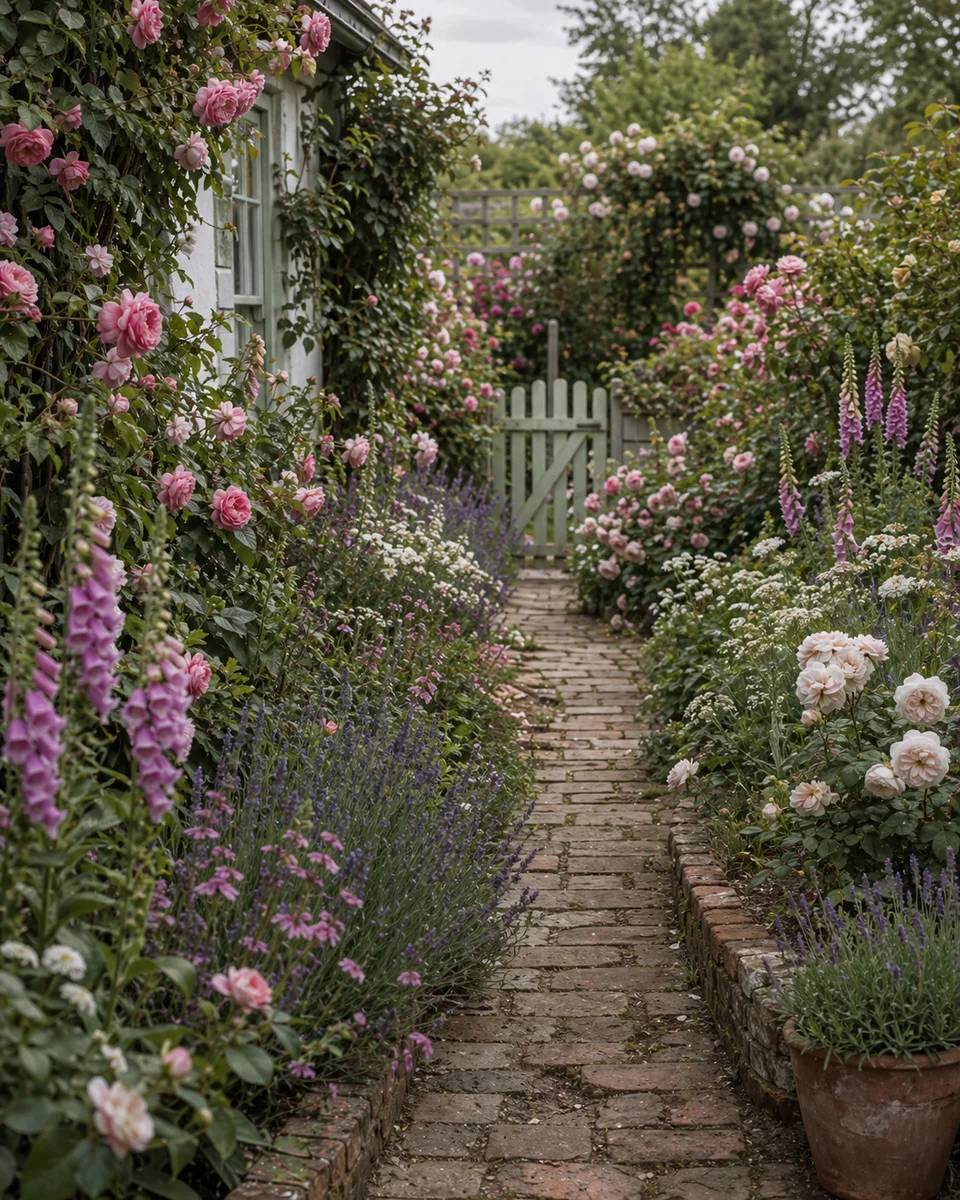
Growing Ornamental Grasses in USDA Zone 9
Various genera
Marginally. Ornamental Grasses is rated for zones 4–9, and zone 9 is at the warm edge of that range. Heat and humidity stress at the warm end of the range; provide afternoon shade, mulch to keep roots cool, and watch for fungal pressure during humid spells.
- Zone
- 9
- Fit
- Marginal
- Low
- 20°F
- Sun
- Full sun
- Water
- Low
- Height
- 1–10 ft
- Bloom
- Late summer to fall
- Type
- Grass
Is ornamental grasses hardy in zone 9?
Marginally. Ornamental Grasses is rated for zones 4–9, and zone 9 is at the warm edge of that range. Heat and humidity stress at the warm end of the range; provide afternoon shade, mulch to keep roots cool, and watch for fungal pressure during humid spells.
Plant hardiness range: 4–9 · Zone 9 minimum: 20°F to 30°F (-7°C to -1°C)
When to plant ornamental grasses in zone 9
Plant ornamental grasses in zone 9 in spring once the soil can be worked, or in early fall. Zone 9 timing: February through April. Plant nearly anything — tomatoes, peppers, squash, and flowers all thrive. Last frost typically late January to mid-February. Azaleas peak in March. Citrus blooms. Major vegetable garden planting window. Site it in full sun and water on a low water schedule from day one.
How to care for ornamental grasses in zone 9's climate
Plant in full sun with average soil. Cut back to 4–6 inches in late winter before new growth emerges. Divide every 3–5 years for tall species. Avoid over-fertilizing — too much nitrogen causes flopping. In zone 9's summers, May through October. Hot, humid (Florida) or hot-dry (desert Zone 9), with intense thunderstorms. Most cool-season crops pause entirely. Plant heat-lovers — okra, sweet potatoes, southern peas, Malabar spinach, and tropical annuals. Many summer gardens intentionally go fallow June-August. Through zone 9 winters (20°F to 30°F (-7°C to -1°C)), December through February. Mild with occasional cold snaps — covers essential for tender tropicals during any forecast below 32°F. Best time for citrus pruning, dormant-season tasks, and bareroot tree planting. Roses get their hard prune in January.
Common challenges in zone 9
Zone 9 growers planting ornamental grasses should watch for two regional pressures: Lack of winter chill for traditional fruits — Choose low-chill varieties of apples (Anna, Dorsett Golden), peaches (Tropic Beauty, Florida Prince), and plums (300-400 chill hours or less). Traditional tulips, peonies, and lilacs generally fail — substitute with warm-climate equivalents (amaryllis, Louisiana iris, Chinese fringe-flower). Year-round pest pressure — Scout regularly for whitefly, thrips, scale, and spider mites. Use integrated pest management — beneficial insects (ladybugs, lacewings), horticultural oils (neem, summer oil), and insecticidal soap. Rotate vegetable crops in beds to break pest and disease cycles.
Alternative plants for zone 9
05Other picks tested for zone 9 (20°F to 30°F (-7°C to -1°C)).
Design ideas that fit ornamental grasses
These idea pages link back to a zone page for ornamental grasses. Pet-safe names come from existing Arden copy — confirm toxicity with a veterinarian before you plant.
Keep exploring
Frequently Asked Questions
01 Is ornamental grasses hardy in USDA zone 9?
Marginally. Ornamental Grasses is rated for zones 4–9 and zone 9 sits at the edge of that range — plant in a sheltered microclimate and protect through the worst of winter.
02 When should I plant ornamental grasses in zone 9?
February through April. Plant nearly anything — tomatoes, peppers, squash, and flowers all thrive. Last frost typically late January to mid-February. Azaleas peak in March. Citrus blooms. Major vegetable garden planting window. Spring or fall planting both work — avoid setting transplants out during peak summer heat.
03 How much sun and water does ornamental grasses need in zone 9?
Ornamental Grasses needs full sun and low water. In zone 9's summer climate, water deeply and infrequently rather than shallow daily sips, and mulch 2–3 inches to keep roots cool.