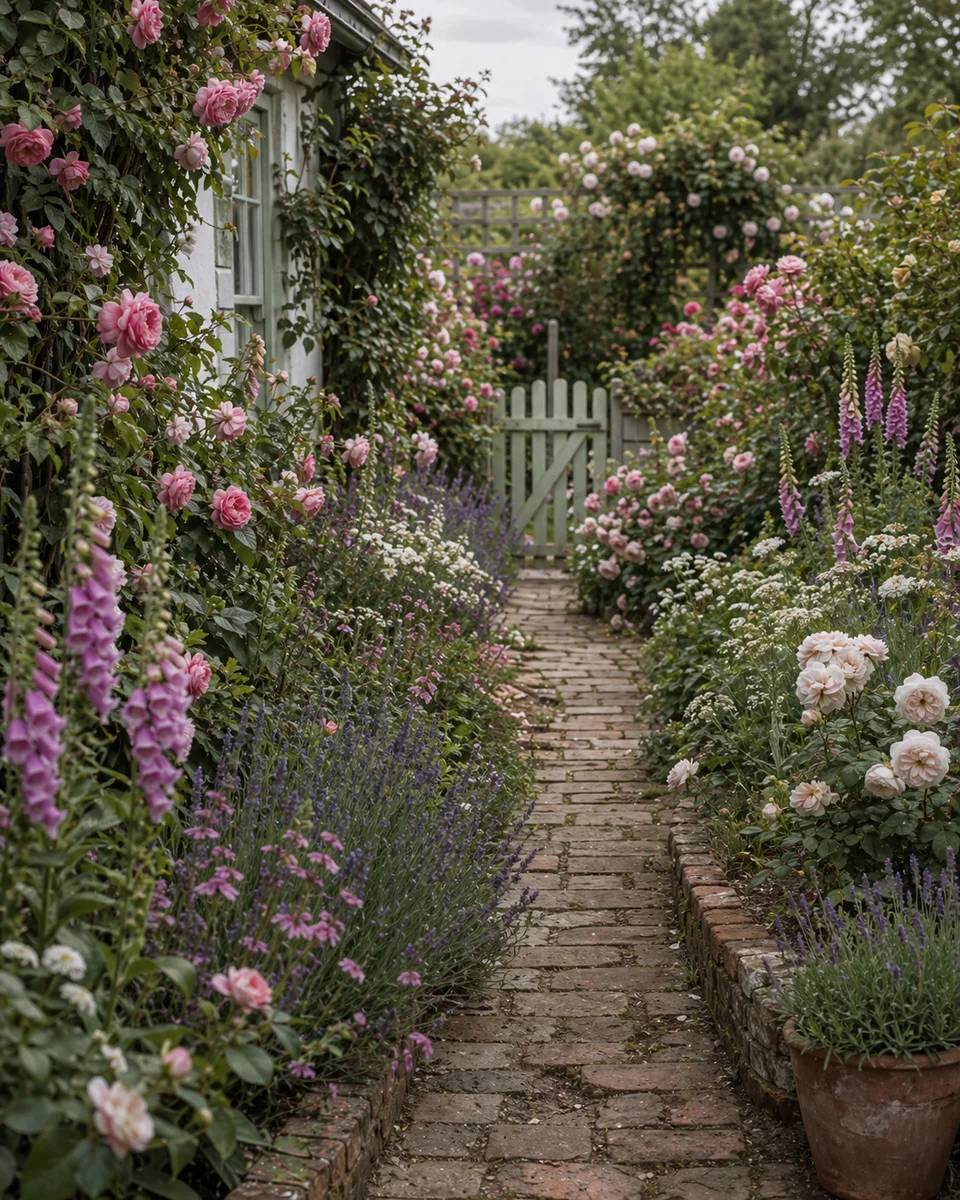
Rosemary: Culinary and Ornamental
Salvia rosmarinus
Rosemary earns space in both herb gardens and ornamental borders. Evergreen in mild climates, edible year-round, and drought-tolerant once established. Trailing cultivars cascade over walls beautifully.
Specifications
- Sun
- Full sun
- Water
- Low
- Hardiness zones
- 7–10 (annual in colder zones)
- Height
- 2–5 ft
- Bloom time
- Spring
Care & growing tips
Plant in well-drained soil in full sun. Water deeply but infrequently. In zones 7 and colder, grow in a container and bring indoors for winter, or treat as an annual. Prune regularly for culinary use and to maintain shape.
Companion plants
03Find rosemary in your zone
12Zone-specific care, planting windows, and alternatives.
Frequently Asked Questions
01 Can rosemary survive winter outside?
Only in zones 7 and warmer. In colder zones, overwinter in a pot indoors near a sunny window.
02 Why is my rosemary turning brown and dying?
Most often overwatering or poor drainage — rosemary is Mediterranean and hates wet feet. Let the top inch of soil dry between waterings, plant in gritty well-drained soil, and avoid heavy clay. Indoor rosemary especially dies from overwatering combined with low humidity.
03 How often should I prune rosemary?
Snip regularly for cooking — it acts as pruning. Beyond that, a harder shape-prune in early spring after frost danger encourages bushy growth. Never cut into old gray wood; rosemary won't regrow from bare stems.