Arden
Grow a Thriving Herb Garden
From kitchen staples to medicinal plants — design an herb garden that feeds your cooking and your well-being.
Medium
full-sun
Medium
Why It Works
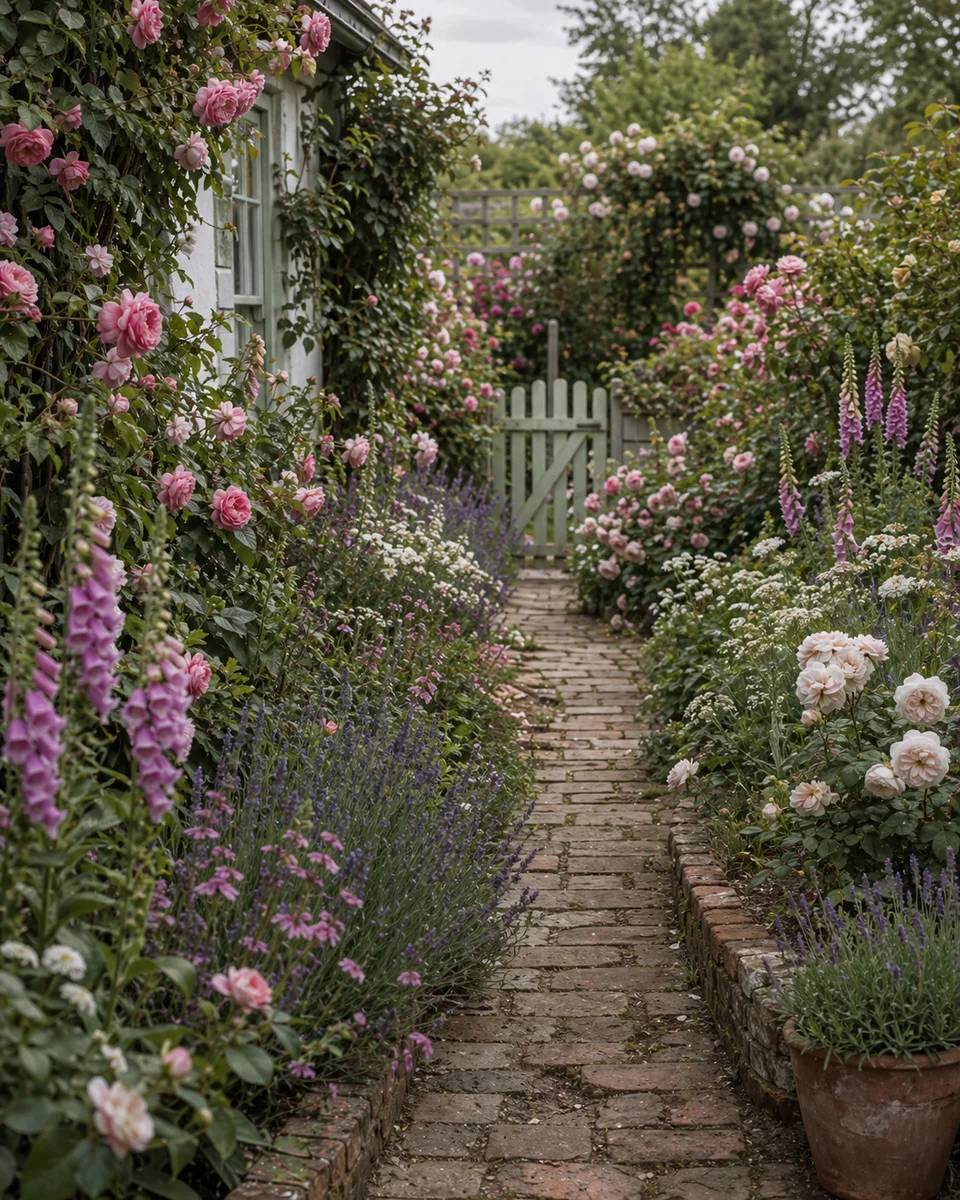
Herb gardens are among the oldest cultivated garden forms, stretching back to ancient Egyptian, Greek, and medieval monastic traditions where plants served as medicine, flavoring, and spiritual offerings. The enduring appeal lies in their multisensory nature — herbs engage touch (fuzzy sage leaves), smell (bruised rosemary), taste (fresh-picked basil), and sight (purple basil, golden oregano, silvery lavender). A dedicated herb garden also makes culinary sense: having fresh herbs steps from the kitchen transforms everyday cooking. Medicinally, herbs like chamomile, echinacea, lemon balm, and calendula have documented therapeutic properties that modern herbalists and naturopaths continue to use. The compact, productive nature of herbs means even a windowsill or small balcony can host a meaningful collection.
Best for
- gardens where paths, beds, and a maintenance rhythm you will keep are the real constraints
- people committing to culinary herbs in reach, with mint isolated and sun-lovers in the brightest strip
- people who will water through establishment season
Skip if
- you will not check sun hours, wind, and the soil under the actual beds before buying plants
- the site has almost no sun and you still want rosemary and basil
Common mistakes
For a herb garden, the usual miss is one mixed trough where mint swallows basil and shade herbs fry on the rail. People also ignore sun hours, wind, and the soil under the actual beds and end up with a plant collection with no path, water plan, or winter structure. Names like sage, rosemary, basil only work when massed with intent — not one of each from the nursery cart.
Plan this first
Fix circulation and one viewing angle before the plant list. Put daily-cut herbs on the rail nearest the kitchen and isolate mint in its own pot. Preview that massing in Arden from the main viewing angle before you buy sage, rosemary, basil.
How to Create This Garden
- 01
Map sun exposure across the site — most culinary herbs need 6+ hours of direct sun daily.
- 02
Build raised beds or an herb spiral to improve drainage and separate herbs with different water needs.
- 03
Group Mediterranean herbs (rosemary, thyme, sage) together in lean, well-drained soil.
- 04
Plant moisture-loving herbs (basil, parsley, chives) in richer soil with regular watering.
- 05
Harvest regularly by pinching stem tips — this encourages bushy growth and delays flowering.
Planting & layout notes
Position your herb garden in full sun (6+ hours) near the kitchen door for convenient harvesting. Classic layouts include the cartwheel pattern (herbs in pie-slice sections around a central point), the formal knot garden (interlocking hedges of different herbs), or simple raised beds. Group herbs by water needs: drought-tolerant Mediterranean herbs (rosemary, thyme, sage, oregano, lavender) together in gritty, well-drained soil, and moisture-loving herbs (basil, cilantro, parsley, chives, mint) in richer, regularly watered beds. Always contain mint in a pot — it spreads aggressively. Include medicinal herbs like chamomile, echinacea, calendula, and lemon balm in dedicated sections. Add edible flowers (nasturtiums, borage, violas) for beauty and kitchen garnishes. Harvest regularly to promote bushy growth.
Try It with AI
Arden helps you plan an herb garden layout tailored to your exact space. See how a spiral herb bed, raised planter, or formal knot garden would look on your patio or in your backyard before breaking ground.
“I showed my landscaper the preview and we agreed on a plan in one meeting instead of three.”
Frequently Asked Questions
01 What are the easiest herbs to grow for beginners?
Basil, mint, chives, rosemary, and parsley are nearly foolproof. Rosemary and thyme tolerate neglect, while basil and cilantro reward regular watering. Start with these five and expand as your confidence grows.
02 Can I grow herbs indoors year-round?
Yes, with a sunny south-facing window or grow lights. Compact herbs like basil, chives, parsley, and thyme adapt well to indoor containers. Use well-draining potting mix and avoid overwatering — indoor herbs need less water than outdoor ones.
03 How do I preserve herbs from my garden?
Dry woody herbs (rosemary, thyme, oregano) by hanging bundles upside down. Freeze tender herbs (basil, cilantro, parsley) in olive oil in ice cube trays. Harvest herbs in the morning after dew dries but before the midday heat for the strongest flavor.
04 Should I grow herbs from seed or buy transplants?
Fast-growing herbs (basil, cilantro, dill) are easy from seed. Slow-growing perennials (rosemary, thyme, sage, lavender) are better bought as transplants — they take months from seed. Mint should always be bought as a division or cutting.