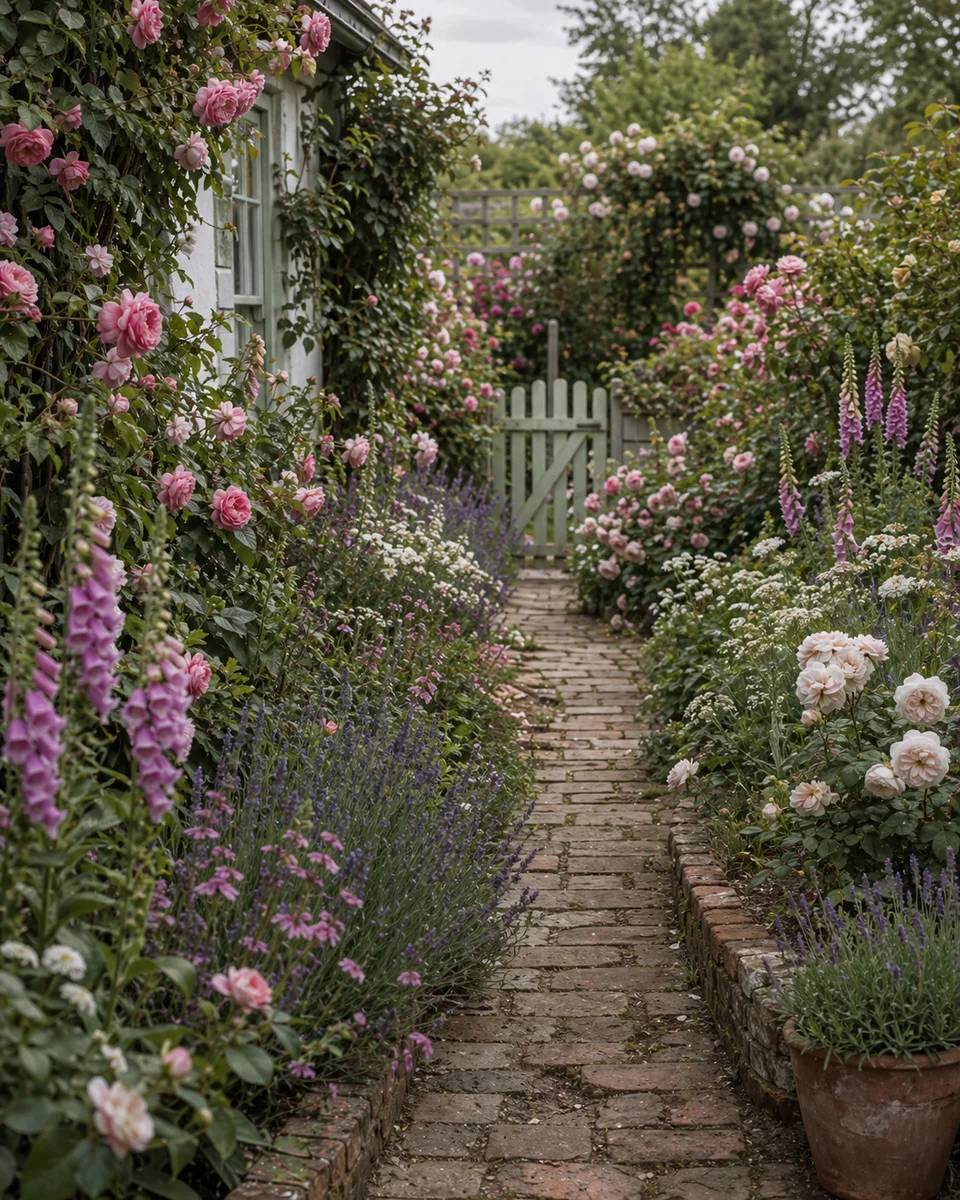
USDA 5번 구역은 많은 미국 원예가에게 최적의 지점입니다. 고전적인 봄 구근과 작약(겨울 추위가 필요한)을 위해 충분히 춥고, 대부분의 꽃 관목(라일락, Hydrangea, 병꽃나무)과 폭넓은 다년생 팔레트(플록스, salvia, 개박하, Baptisia, 에키네시아)를 위해 충분히 따뜻합니다. 시즌은 대부분 지역에서 4월부터 10월까지 이어지며, 뚜렷한 사계절 경관 — 봄 구근, 여름 다년생 식물, 가을 단풍, 겨울 상록수 — 을 보여 줍니다. 대부분의 전통적인 온대 작물이 이곳에서 잘 자랍니다: 서리가 없는 160~180일은 토마토, 고추, 호박, 옥수수, 콩, 그리고 거의 모든 흔한 채소를 애지중지하지 않고도 감당합니다. 이 지역의 원예 문화는 중서부와 북동부 전통에 크게 영향을 받았습니다 — 격식 있는 다년생 화단, 코티지 가든, 장미 정원, 그리고 생산적인 채소밭. 어려움은 덥고 습한 여름(곰팡이병 압력), 이 지역 대부분의 무거운 점토 토양, 그리고 가끔씩 발생하는 극지방 소용돌이로 인해 기온이 일시적으로 구역 등급 아래로 떨어져 한계 식물을 고사시키는 데서 옵니다.
New England 중부, 오대호 남부, Ohio와 Indiana 대부분, Illinois 중부, Missouri 북부, Kansas, Colorado, Utah, Nevada, 그리고 태평양 북서부 내륙 일부.
상록수의 겨울 건조: 땅이 얼기 전에 상록수를 깊이 관수하세요. 노출된 Buxus, 호랑가시나무, Rhododendron에 늦가을 증산 억제제(Wilt-Pruf)를 살포하세요. 바람에 민감한 상록수는 보호된 쪽에 심으세요. 삼베 방풍막은 새로 심은 묘목을 처음 두 번의 겨울 동안 보호합니다.
덥고 습한 여름이 서늘한 기후 식물에 주는 스트레스: 중서부를 위해 육종된 내열성 다년생 품종(Proven Winners 시리즈, Walters Gardens 도입종)을 선택하세요. 뿌리를 시원하게 유지하기 위해 깊이(2~3인치) 멀칭하세요. Hydrangea, Astilbe, 그리고 다른 수분을 좋아하는 식물은 오후 그늘이 드는 곳에 심으세요.
늦봄 서리로 인한 과실 꽃 고사: 4월 말 한파가 위협할 때 사과, 복숭아, 자두 나무를 서리 담요나 스프링클러 관수로 덮으세요. 서리에 취약한 과실은 북향 경사면에 심어 개화를 늦추세요. 문제가 되는 구역에는 늦게 피는 품종(Goldrush 사과, Reliance 복숭아)을 선택하세요.
무거운 점토 토양의 배수: 채소 정원을 위해 개량 토양으로 10~14인치 깊이의 돋움 화단을 만드세요. 기존 화단은 매년 2~3인치의 퇴비로 개량하세요. 무거운 토양의 노지 식재에는 점토에 잘 견디는 식물(원추리, Baptisia, Rudbeckia, 관상용 그래스, 시베리아 붓꽃)을 선택하세요.
여름철 일본풍뎅이 압력: 풍뎅이가 굼뜬 이른 아침에 비눗물에 손으로 잡아 넣으세요. 장기적인 굼벵이 방제를 위해 밀키 스포어(Paenibacillus popilliae)를 살포하세요. 페로몬 트랩은 피하세요 — 잡는 것보다 더 많은 풍뎅이를 끌어들입니다. 저항성 식물에는 Buxus, 대부분의 침엽수, 라일락이 있습니다.
4월부터 5월까지. 마지막 서리는 보통 4월 중순부터 5월 중순입니다. 서늘한 계절 채소와 이른 다년생 식물을 위한 식재 절정기입니다. 꽃이 피는 나무(목련, 산딸나무, 박태기나무)는 4월 말에 핍니다. 따뜻한 계절 채소 모종은 3월 중순까지 실내에서 시작하세요.
6월부터 8월까지 따뜻하고 종종 습합니다. 꽃이 피는 다년생 식물의 절정기입니다(7월이 대부분의 고전적 다년생 식물의 개화 절정). 매일보다는 주 1~2회 깊이 관수하세요. 늦여름 두 번째 개화를 위해 장미, salvia, 그리고 다른 반복 개화 식물의 시든 꽃을 제거하세요.
9월부터 11월 초까지. 첫 서리는 보통 10월 중순입니다. 나무, 관목, 그리고 봄 구근(9~10월의 튤립, 수선화)을 심기에 이상적입니다. 단풍은 10월 중순에 절정에 이릅니다. 봄 개화 다년생 식물은 첫 서리 후에 나누세요.
12월부터 3월까지. 연약한 식물(하이브리드 티 장미, 늦게 심은 넓은 잎 상록수)을 겨울 멀칭으로 보호하세요. 1월에 새 화단을 계획하고 씨앗을 주문하세요. 2~3월에 꽃눈이 트기 전 휴면 중인 과실수와 낙엽 관목을 가지치기하세요.
자주 묻는 질문
01 5번 구역은 장미를 키우기에 좋은가요?
올바른 품종을 선택하면 네. Knock Out, Drift, 그리고 대부분의 관목 장미는 최소한의 겨울 보호로도 잘 자랍니다. 하이브리드 티 장미는 겨울 보호가 필요합니다(접목 부위 위로 8~12인치 흙 쌓기 또는 장미 콘). 자근 장미는 줄기가 고사해도 뿌리에서 다시 자랄 수 있어 접목 종보다 너그럽습니다.
02 5번 구역에서 언제 채소 정원을 심어야 하나요?
서늘한 계절 작물(완두콩, 상추, 시금치, 무)은 4월에 흙을 다룰 수 있는 대로 심으세요. 따뜻한 계절 작물(토마토, 고추, 호박)은 마지막 서리 이후, 보통 5월 중순에 심으세요. 대부분의 따뜻한 계절 씨앗은 정식 6~8주 전에 실내에서 시작하세요. 마늘은 다음 해 7월 수확을 위해 10월에 심으세요.
03 5번 구역에서 토마토를 가장 일찍 심을 수 있는 때는 언제인가요?
대부분의 5번 구역 위치에서 토양이 60°F까지 따뜻해지면 5월 중순에 정식하세요. 더 이른 생산을 위해서는 Wall O' Water 보호 장치나 부직포 덮개를 사용해 모종을 2~3주 일찍 심으세요. 3월 중순에 생장등 아래 실내에서 시작한 모종은 5월 10~15일이면 정식 준비가 됩니다.
04 5번 구역에서 가장 잘 자라는 꽃 관목은 무엇인가요?
Hydrangea(paniculata와 arborescens 유형이 가장 강건함), 라일락, 개나리, Viburnum, 조팝나무, 병꽃나무, 부들레야(추운 5번 구역에서는 한계지만 더 따뜻한 곳에서는 믿을 만함), 그리고 대부분의 Rhododendron. 큰잎 Hydrangea(macrophylla)는 한계 종으로 일관된 개화를 위해 겨울 보호가 필요합니다.